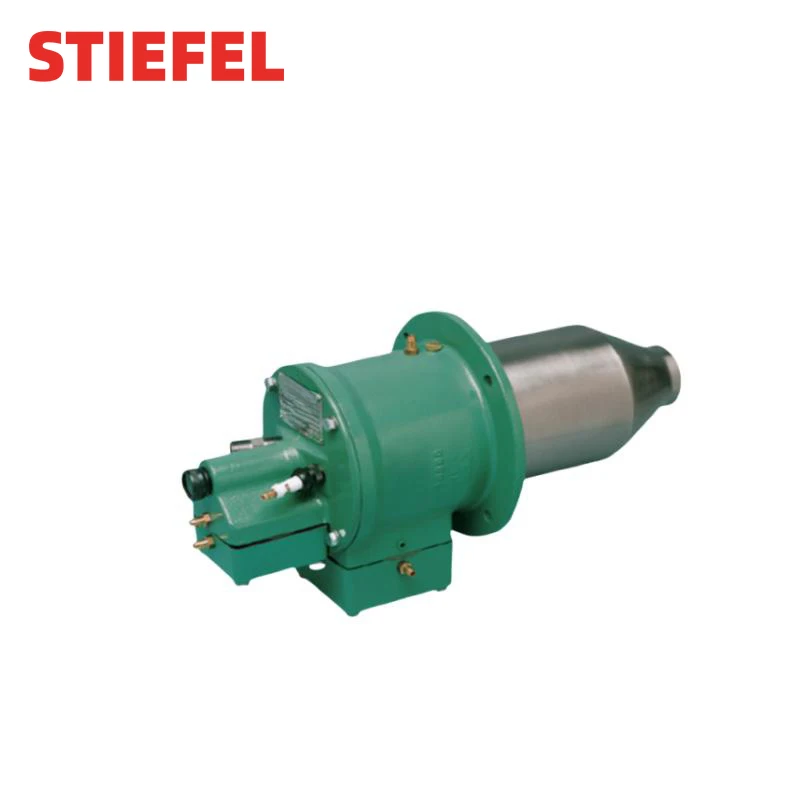
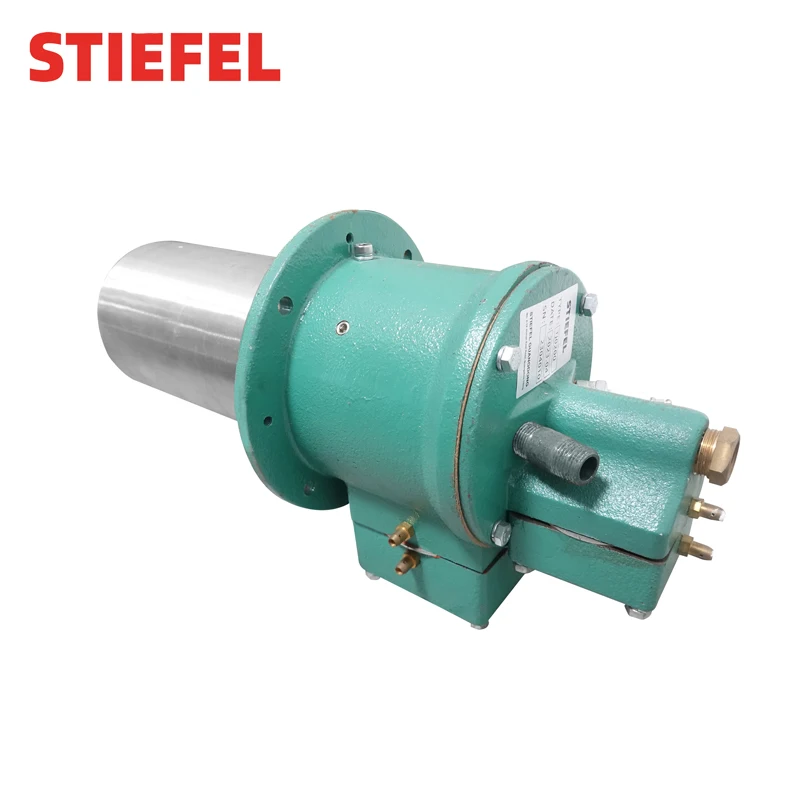
Boiler burners regulate combustion quality, directly influencing energy consumption. By precisely metering fuel-air ratios, modern systems minimize incomplete combustion, which can waste 2–5% of input energy in poorly tuned setups. Advanced mixing technologies enhance flame stability and reduce heat loss—key factors for efficient steam production.
Combustion efficiency measures how completely fuel is converted into usable heat, with high-performance burners achieving 95–98%. Each 1% improvement can reduce annual fuel costs by $8–$12 per million BTU (2024 operational data). Inefficient combustion causes temperature fluctuations, forcing the system to compensate with additional energy inputs, undermining output consistency.
Four primary variables determine burner performance:
Regular maintenance prevents soot buildup and nozzle erosion—responsible for 72% of avoidable efficiency losses in industrial settings.
When we talk about combustion efficiency, we're basically looking at how well fuel gets converted into usable heat energy. Thermal efficiency is different though - this one considers all the losses across the entire system, especially things like buildup on heat exchangers that just waste energy. For instance, a burner might look great on paper with 97% combustion efficiency, but if heat isn't transferring properly through the system, the actual thermal efficiency might only be around 82%. Smart operations track these two numbers every month with their automated systems, and when they notice the gap between them widening past 5%, that's usually when they schedule maintenance checks to figure out what's going wrong in the system.
Digital controls continuously analyze oxygen levels, flame patterns, and steam demand over 50 times per second to maintain peak combustion efficiency. According to recent studies, these systems reduce fuel consumption by up to 10% without sacrificing output stability (2024 Combustion Optimization Report).
Unlike traditional linkage-based systems, parallel positioning controls use independent actuators for air dampers and fuel valves, enabling 0.5% precision in air-fuel ratio adjustments across all load ranges. This eliminates mechanical hysteresis, reducing fuel waste during turndown by 3–7%.
Integrating variable frequency drives (VFDs) with flue gas oxygen sensors creates a responsive combustion loop. VFDs modulate combustion air fans based on real-time demand, while oxygen trim systems adjust for atmospheric variations. Research indicates this combination delivers 2–3% annual fuel savings in typical industrial applications (Combustion Technology Journal 2023).
Advanced control algorithms predict steam demand using historical usage and weather data. This predictive modulation reduces unnecessary burner cycling, maintaining high combustion efficiency even at 30% load. Facilities report 12–15% fewer start-stop cycles annually after implementation.
Upgrading burners can increase turndown ratios from 3:1 to 8:1 or higher, eliminating short cycling during low-demand periods. Rapid-mix designs reduce excess air requirements from 7–8% to just 2–3% oxygen in flue gas, significantly lowering exhaust heat losses. These improvements are supported by combustion optimization studies (Powerhouse Combustion 2024).
Low-NOx burners reduce nitrogen oxide emissions by 30–60% through staged combustion and flue gas recirculation, which lowers peak flame temperatures without compromising heat transfer. These systems maintain combustion efficiencies above 95%, meeting environmental standards while preserving energy performance.
Switching from premix to rapid-mix burners improves combustion completeness, reducing annual fuel consumption by 4–6%. These systems operate closer to stoichiometric conditions, minimizing excess air that wastes 2–3% of fuel energy in conventional designs.
A food processing plant cut natural gas use by 11% after retrofitting its boilers with oxygen-trim controls. The $180,000 investment achieved full return within 16 months through dynamic combustion tuning (Plant Engineering 2013), resulting in annual CO reductions of 840 metric tons.
Getting the air-fuel mix right makes all the difference when it comes to system efficiency. Modern efficient systems run with around 10 to 25 percent extra air floating around, whereas older units needed 30 to 50 percent or so, which means they lost a lot more heat through the exhaust. There's this thing called oxygen trim tech that keeps tweaking the airflow as conditions change, making sure everything burns completely without wasting energy. When dealing specifically with natural gas, most folks find that a ratio of about 15 parts air to 1 part fuel gives pretty good results in terms of heat production. But honestly, what works best really depends on exactly what kind of fuel we're talking about and how the burner was built in the first place.
Optimal flue gas oxygen levels range between 2–4%, a target shown to reduce fuel consumption by 8–12% while preserving safety margins (AirMonitor 2023). Real-time sensor feedback enables continuous damper and valve adjustments, but quarterly manual tuning remains recommended to account for seasonal air density changes.
Excessively low air levels increase risks such as elevated carbon monoxide (¥200 ppm), flame rollout under downdraft conditions, and accelerated soot formation. A 2023 industry review found that 37% of boiler incidents were linked to insufficient combustion air, underscoring the importance of redundant oxygen monitoring in modern control systems.
When modern burners are properly tuned, they actually perform best around 20 to 25 percent of their maximum capacity according to last year's thermal efficiency report. The magic happens with those higher turndown ratios because they let the system keep running even when demand drops, which cuts down on those annoying losses that happen when equipment cycles on and off constantly. Take units with a 10 to 1 turndown ratio for instance these can cut fuel costs somewhere between 12 and maybe even 18 percent compared to older fixed output models. Real world data from across different industries suggests that companies typically save around five thousand two hundred dollars each year on a single boiler just by making sure the burner matches what the facility actually needs at any given moment.
According to ASHRAE Bin data, most commercial boilers spend well over 6,000 hours each year running at less than half their maximum capacity. Installing high turndown burners with ratios of 15:1 or better cuts down on how often the boiler cycles on and off by about 40%. This results in significant savings too schools typically save between 8% to 14% on their yearly fuel costs alone. The same goes for hospitals and larger buildings with multiple zones. These systems really start paying for themselves when they match up with actual building occupancy patterns. Most facilities see a return on investment within just three years because they're using less fuel overall and experiencing fewer problems from thermal stress that usually leads to expensive repairs down the road.
Facilities following these protocols sustain 9–11% efficiency improvements over five years, extending burner overhaul intervals by 30–50%.
Boiler burners regulate combustion quality, influencing energy consumption by adjusting fuel-air ratios, which enhances flame stability and reduces heat loss for efficient steam production.
Combustion efficiency measures fuel conversion to usable heat, while thermal efficiency also considers energy loss across the system. A burner can have high combustion, but low thermal efficiency if heat transfer is poor.
Digital controls optimize combustion efficiency by analyzing variables like oxygen levels and flame patterns in real-time, potentially reducing fuel consumption by up to 10% without losing output stability.
Low-NOx burners can reduce nitrogen oxide emissions by 30–60% without compromising combustion efficiency, maintaining levels above 95% while meeting environmental standards.
Quarterly combustion analysis, oxygen trim calibration, and nozzle inspections help sustain efficiency improvements, reduce fuel usage, and extend burner lifespan.
 Hot News
2025-08-21
2025-02-21
2025-02-20
2025-02-20
2025-02-20
2025-02-14

STIEFEL(GUANGDONG) ENV. PROTECTION Ltd. provides high-quality combustion and gas equipment for industrial applications. Our energy-saving solutions, rigorous R&D, and quality control ensure optimal performance. Contact us today.
 EN
EN