The operational integrity of an industrial or commercial boiler is fundamentally tied to the health and performance of its combustion system. This system is a coordinated assembly of mechanical, electrical, and control components designed to safely mix fuel and air, ignite the mixture, and sustain a stable flame for efficient heat transfer. Over time, the individual combustion system boiler parts within this assembly are subject to wear, thermal fatigue, and contamination, leading to degraded performance, increased fuel consumption, higher emissions, or complete system failure. Therefore, a strategic approach to maintaining, repairing, and selectively upgrading these combustion system boiler parts is not merely a maintenance task but a critical operational strategy for ensuring energy efficiency, regulatory compliance, and operational continuity.
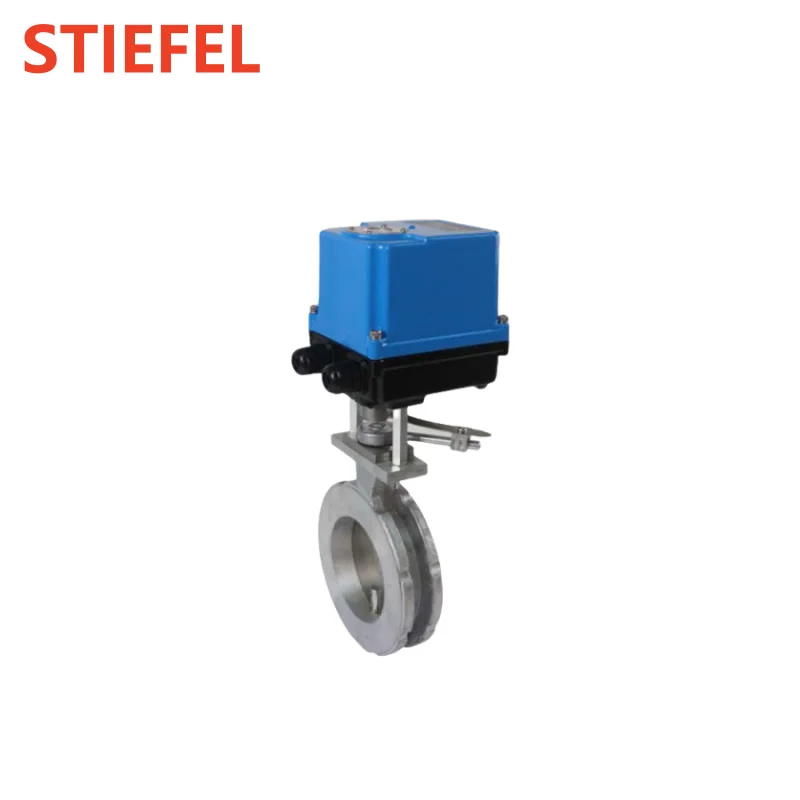
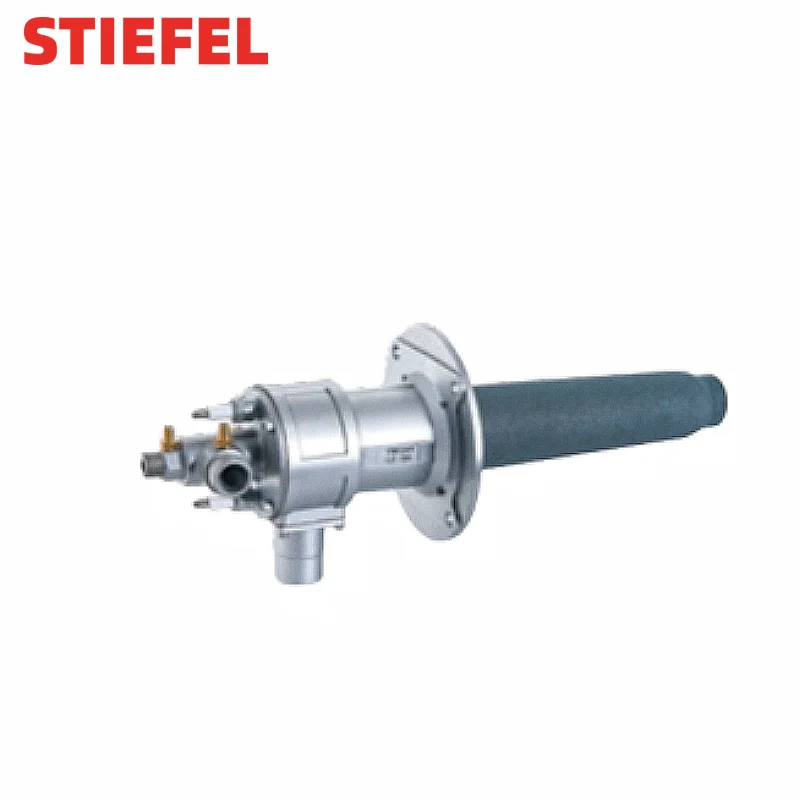
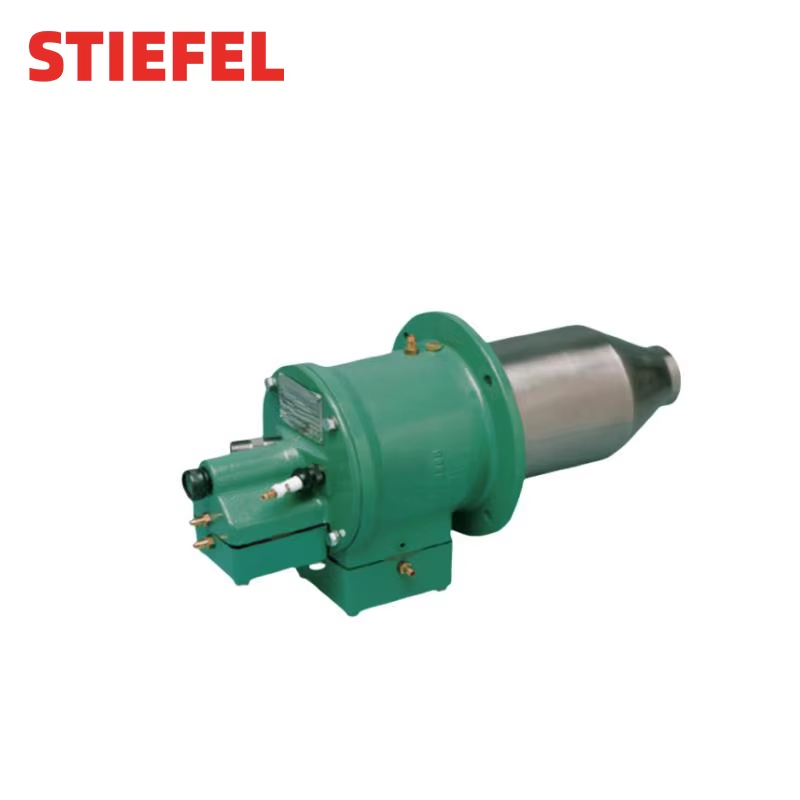
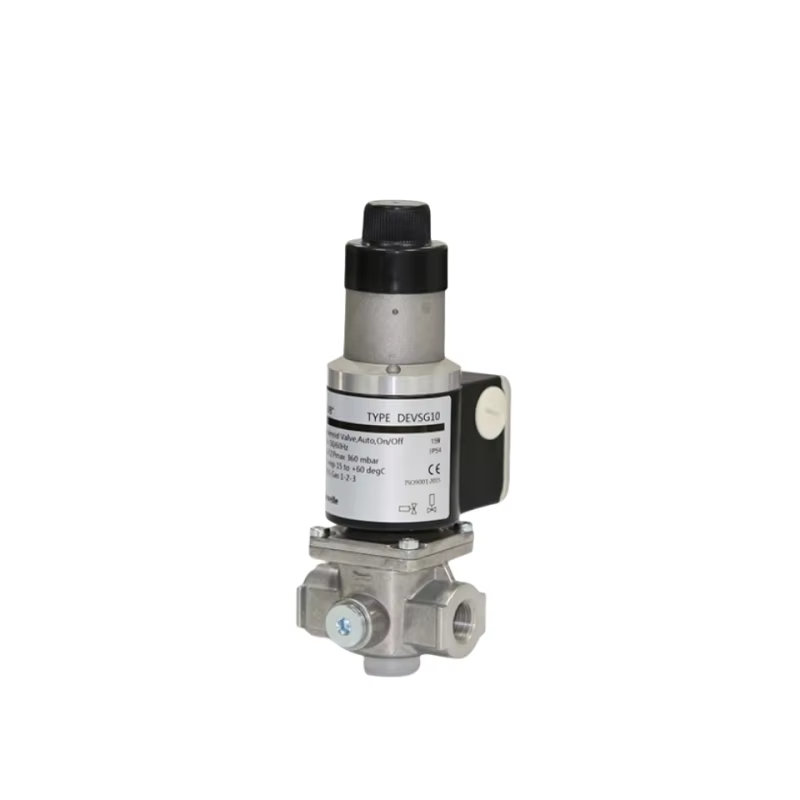
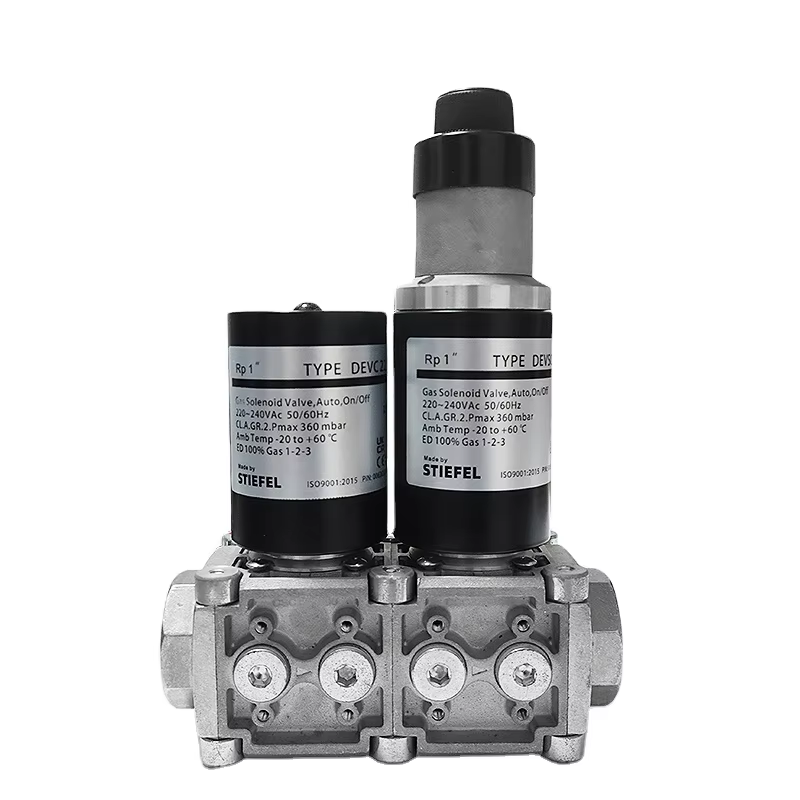
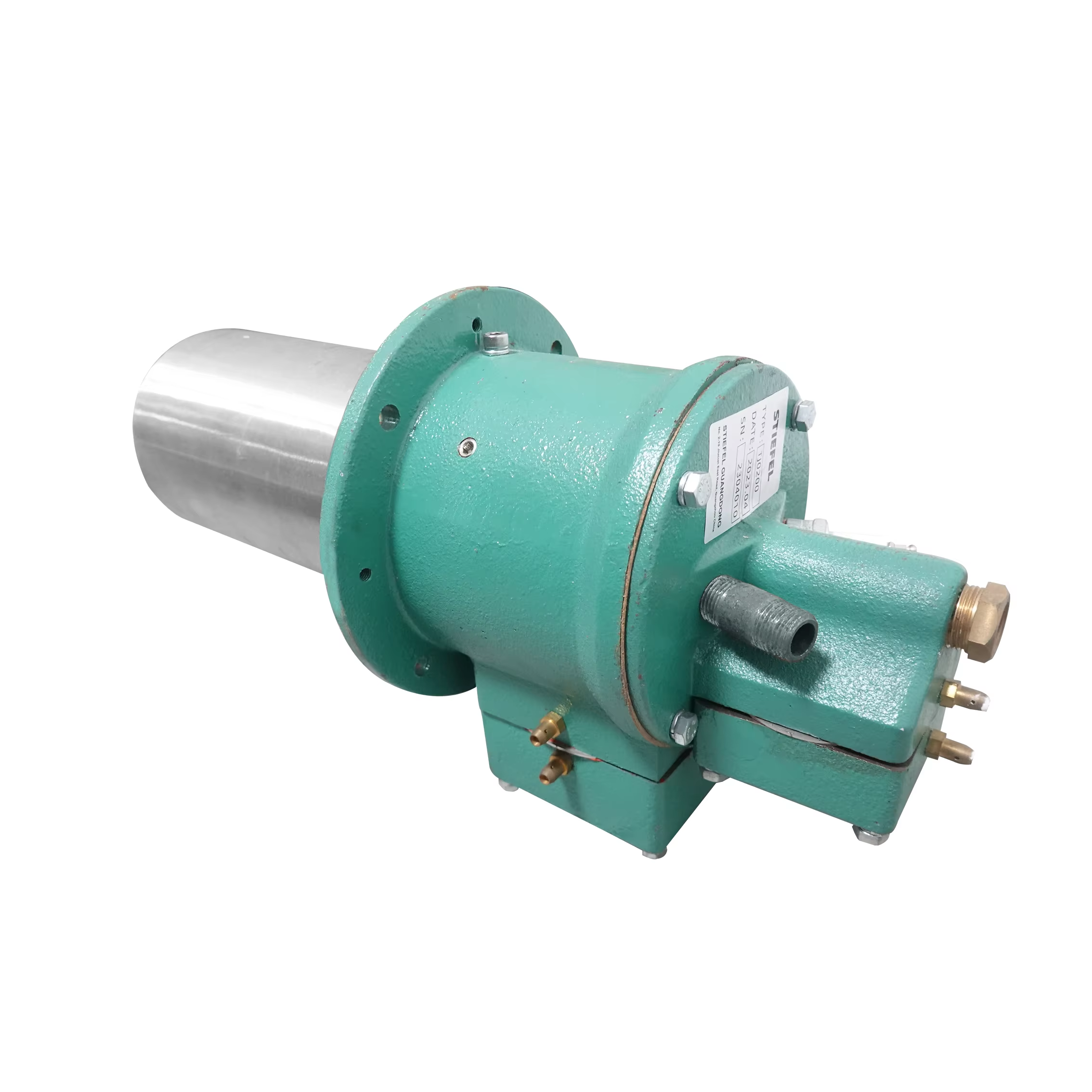
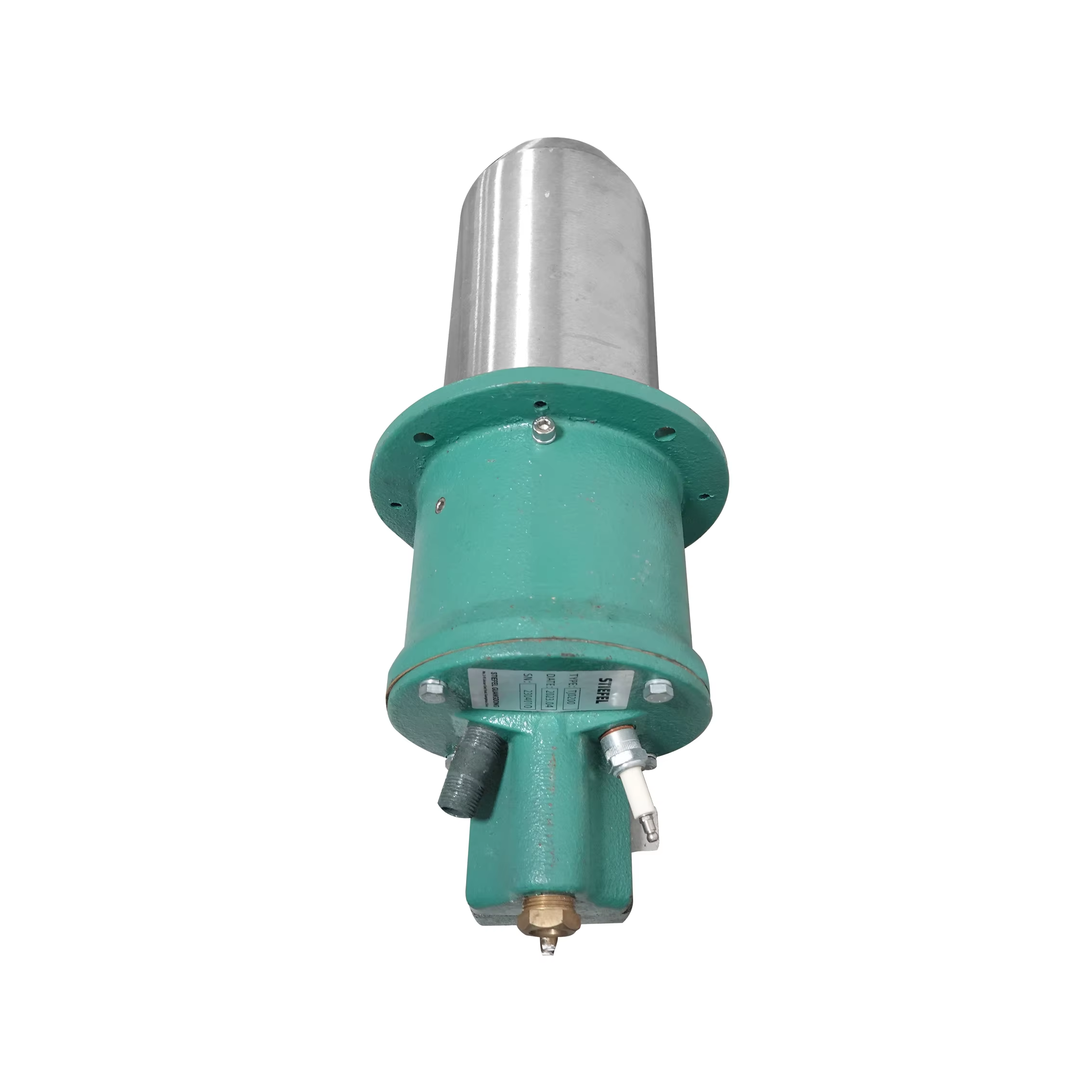
A typical boiler combustion system comprises several key functional groups, each relying on specific combustion system boiler parts. The fuel delivery and control section includes critical combustion system boiler parts such as gas solenoid valves (safety shut-off and modulating), gas pressure regulators, butterfly valves, and gas filters. These combustion system boiler parts manage the flow, pressure, and cleanliness of the fuel entering the burner. A failing solenoid valve, for instance, may cause slow closure leading to dangerous post-purge gas release or fail to open, preventing boiler startup. The burner assembly itself consists of combustion system boiler parts like the burner head, nozzle (or gas spud), diffuser, and air damper linkage. The nozzle is a precision combustion system boiler part that atomizes liquid fuel or shapes gas flow; wear or clogging here directly impairs flame geometry and efficiency.
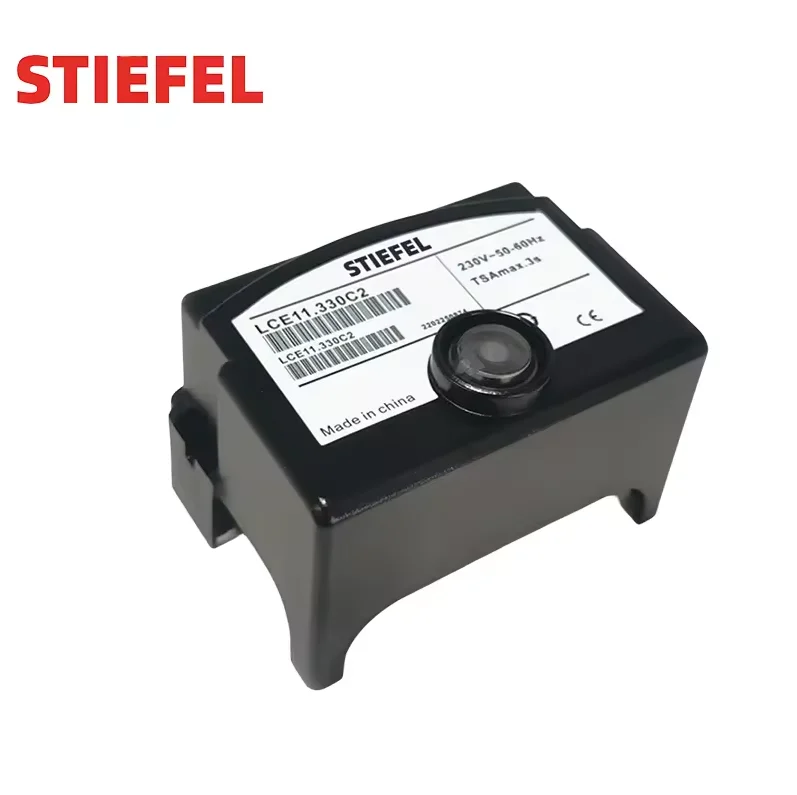
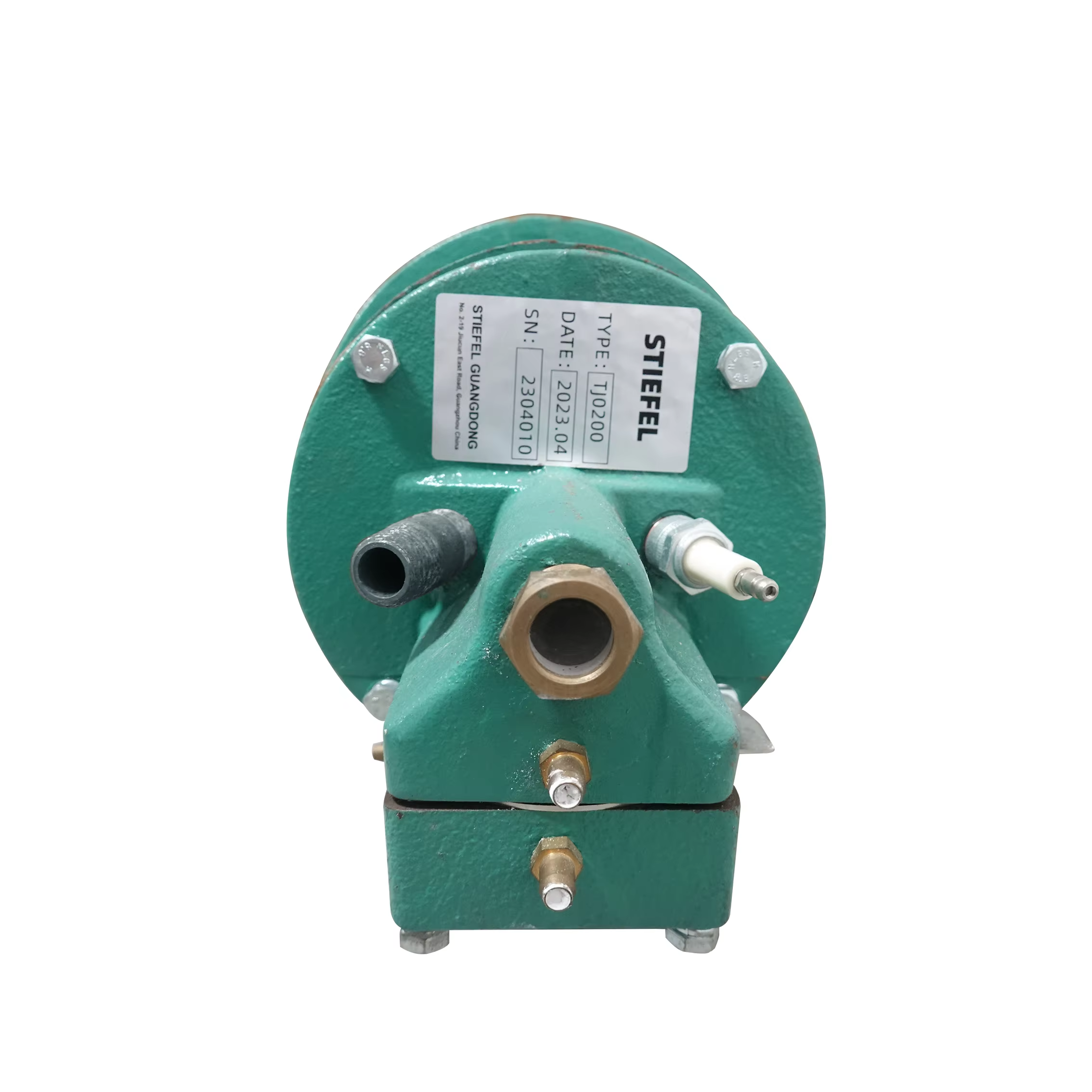
The ignition system is another vital cluster of combustion system boiler parts. This includes the ignition transformer, which steps up voltage to create a spark, and the ignition electrode(s), which transmit that spark across a gap to light the fuel. High-voltage combustion system boiler parts like these are prone to insulation breakdown or carbon buildup. A weak spark from failing combustion system boiler parts in the ignition circuit results in ignition lockouts and nuisance shutdowns. Finally, the control and safety segment encompasses combustion system boiler parts such as flame detectors (UV or rectification probes), programmable controllers, actuators for air dampers, and pressure switches. These electronic and electromechanical combustion system boiler parts are the brain and nervous system of the combustion process, monitoring conditions and executing safety sequences.
Consider a scenario in a district heating plant operating multiple water-tube boilers. One boiler begins exhibiting intermittent lockouts on start-up and a slight increase in stack gas opacity. The service technician's investigation points not to a single catastrophic failure but to the cumulative degradation of several combustion system boiler parts. The ignition electrode tips are eroded beyond specification, the gas solenoid valve shows slight internal leakage when closed, and the burner nozzle has minor carbon deposits altering the flame pattern. Replacing these specific combustion system boiler parts as a set—rather than just the failed electrode—restores reliable ignition, eliminates fuel wastage, and brings emissions back within permit limits. This targeted approach, using compatible and reliable combustion system boiler parts, is more cost-effective than replacing major assemblies.
For facility managers overseeing older boiler plants, sourcing obsolete combustion system boiler parts can be a major challenge. OEMs may discontinue support for older models. This is where a specialized supplier like Stiefel provides significant value. We often produce combustion system boiler parts that are functional equivalents or direct replacements for discontinued items. A common example is providing a modern, energy-efficient ignition transformer with compatible electrical characteristics and mounting points to replace a bulky, obsolete unit. Upgrading such combustion system boiler parts can improve system reliability and even reduce energy consumption of the boiler's ancillary systems.
The process of selecting the correct combustion system boiler parts requires careful attention to specification. Key parameters include the boiler's fuel type (natural gas, #2 oil, propane), operating pressure, electrical characteristics (voltage, phase), and physical interface (thread size, flange type, mounting hole pattern). Providing the make, model, and serial number of the boiler or, ideally, the part number and photos of the existing component is the most reliable method for identification. For non-OEM combustion system boiler parts, verifying performance specifications such as flow coefficients (Kv for valves), heat release ratings (for burners), or spark energy (for transformers) is crucial to ensure safe and effective operation.
We encourage boiler operators, maintenance firms, and facility managers to contact our technical sales team for assistance with your combustion system boiler parts requirements. Please provide as much detail as possible about the boiler application and the specific component needed. Based on your specifications, we can identify the most suitable combustion system boiler parts from our range, confirm compatibility, and provide a formal quotation. For pricing on specific combustion system boiler parts and delivery timelines tailored to your project, kindly reach out to us directly.
 EN
EN