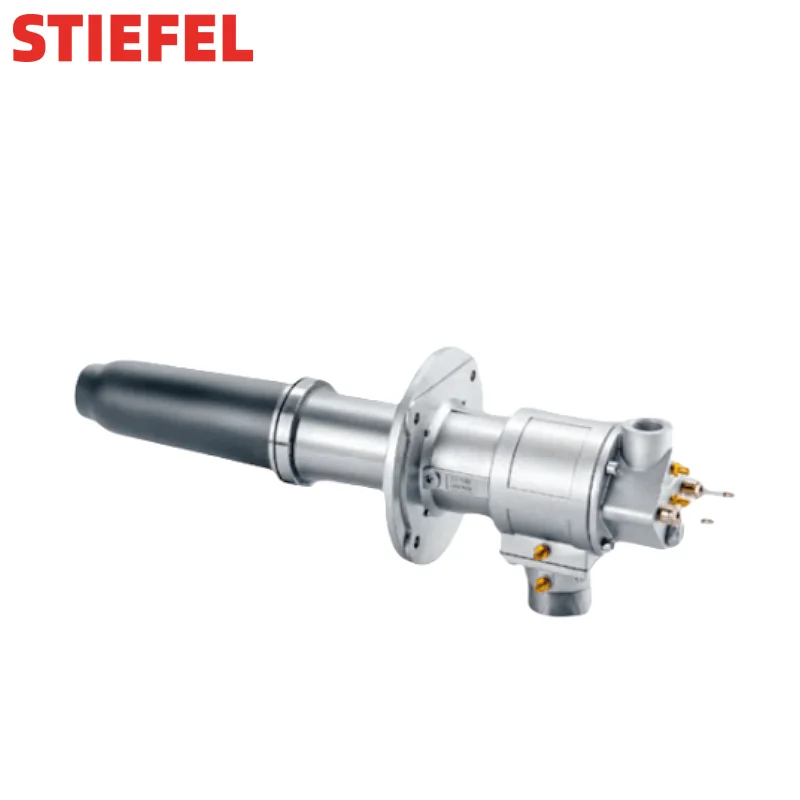
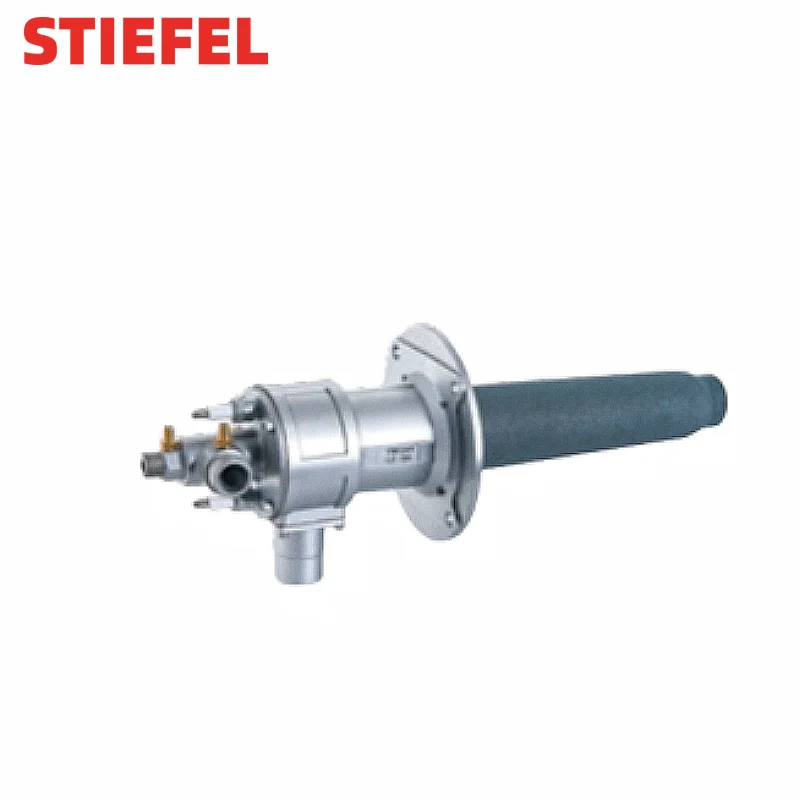
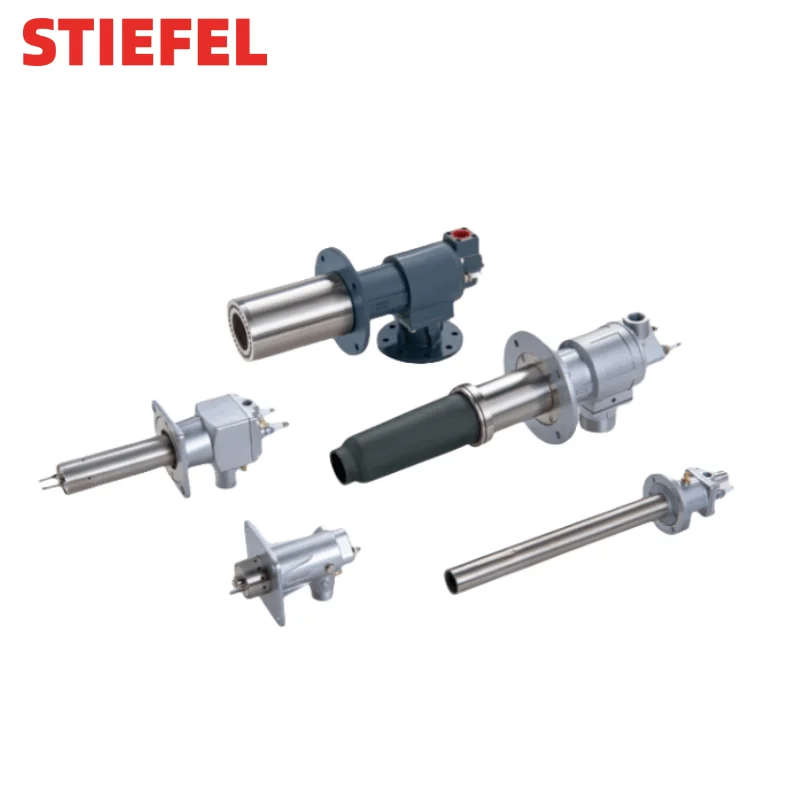
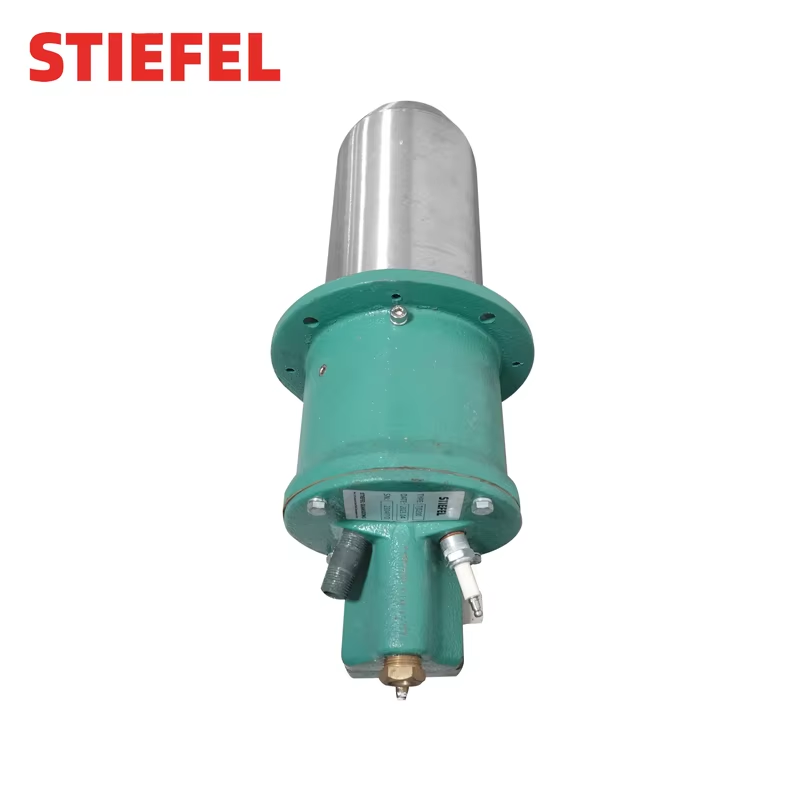
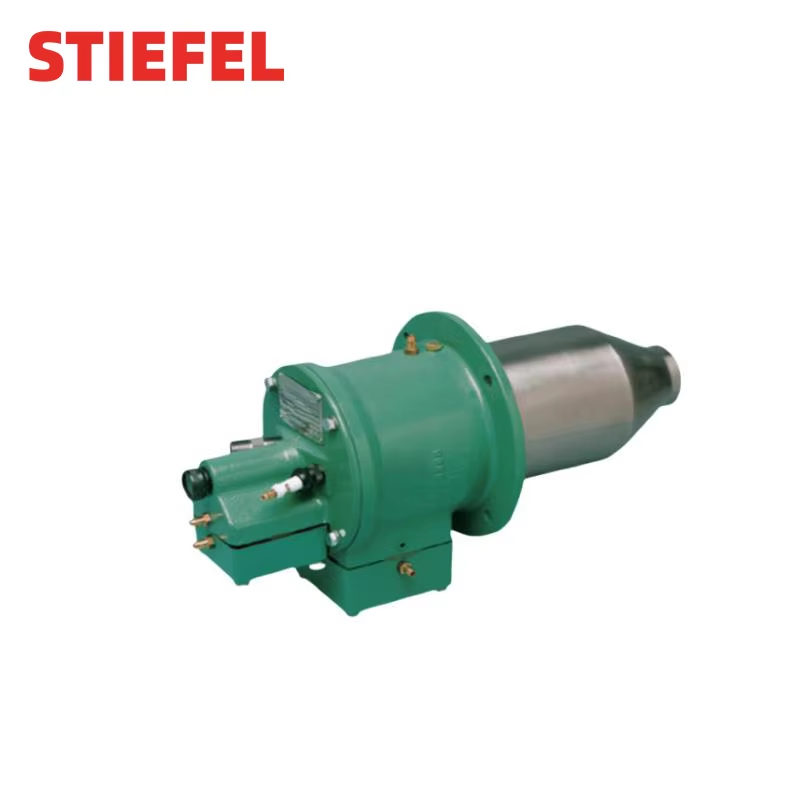
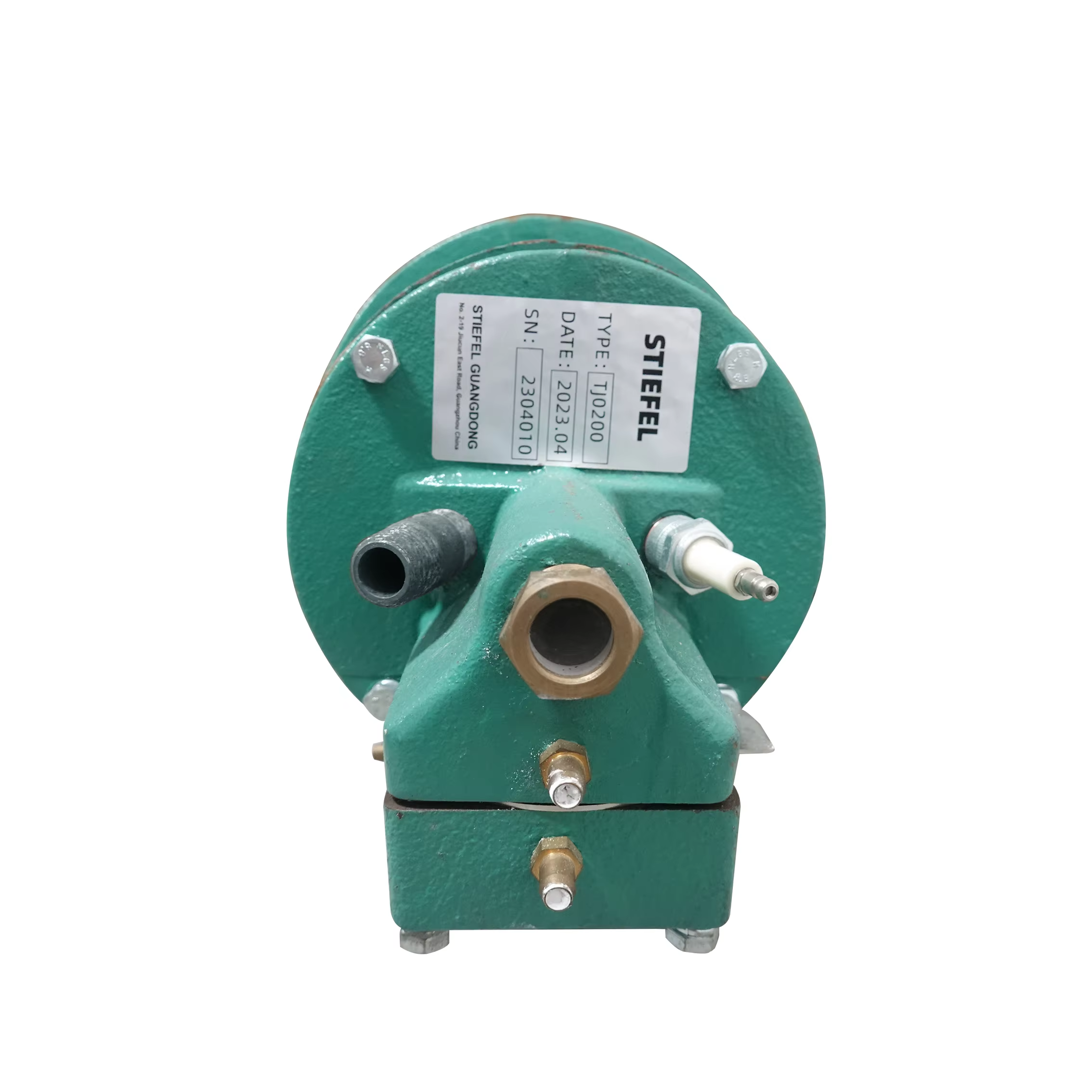
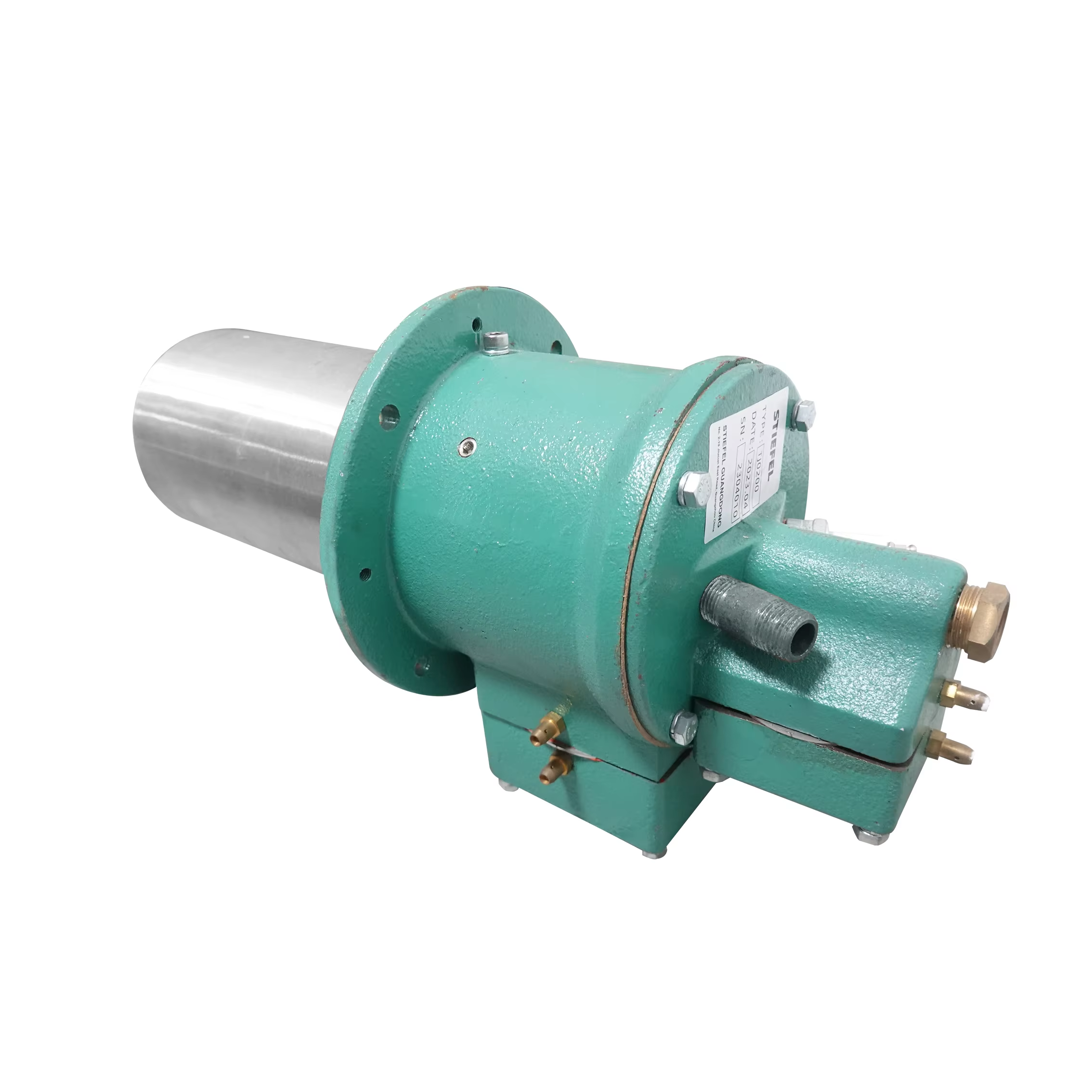
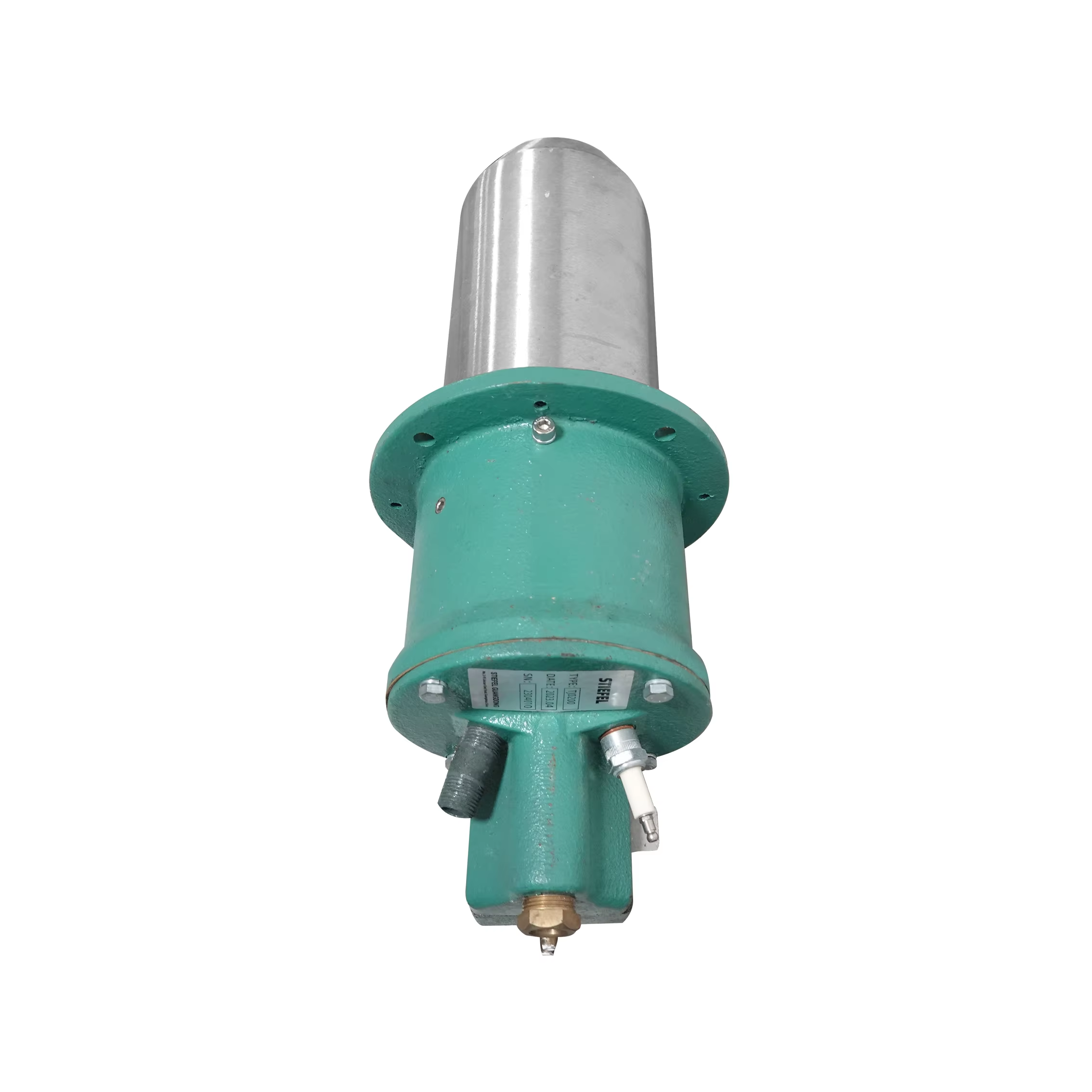
In the realm of industrial and commercial oil-fired boilers, achieving peak thermal efficiency and clean operation is a direct function of combustion quality. The process that dictates this quality begins at the point of fuel injection. Here, the jet burner nozzle for boiler systems performs its essential task: the precise atomization of heavy fuel oil (HFO), light fuel oil (LFO), or other liquid fuels into a mist of minute droplets. This dramatic increase in surface area is non-negotiable for rapid vaporization and thorough mixing with combustion air, forming a flammable mixture that can burn completely. Therefore, the selection, condition, and performance of the jet burner nozzle for boiler are paramount operational concerns, influencing fuel economy, emissions compliance, maintenance costs, and overall system reliability.
The operating principle of a jet burner nozzle for boiler is based on pressurized fuel delivery. Fuel is supplied to the nozzle at high pressure, typically ranging from 100 to over 300 psi, depending on the design and viscosity. Inside the jet burner nozzle for boiler, this pressurized fuel is forced through a final, precision-machined orifice and, in many designs, into a swirl chamber that imparts a rotational velocity. This action creates a thin, conical film that exits the orifice and immediately breaks up into a fine spray due to aerodynamic forces. The specific characteristics of this spray—defined by its pattern (e.g., 80-degree hollow cone), flow rate (e.g., 5.0 GPH at 100 psi), and droplet Sauter Mean Diameter (SMD)—are the fixed "fingerprint" of that particular jet burner nozzle for boiler. Any deviation from these specifications due to wear, clogging, or manufacturing defect directly impairs combustion.
The impact of the jet burner nozzle for boiler on boiler performance is multifaceted. First, atomization quality governs combustion completeness. Finer droplets from a well-functioning jet burner nozzle for boiler vaporize and burn more quickly, leaving minimal unburned carbon (soot). This reduces stack opacity, lowers particulate emissions, and prevents soot deposition on boiler tubes, which acts as an insulating layer and drastically reduces heat transfer efficiency. Second, the spray pattern must be correctly matched to the burner's air register and combustion chamber geometry. An incorrect pattern from a mismatched jet burner nozzle for boiler can cause flame impingement on furnace walls (leading to damage), poor air-fuel mixing, or unstable combustion pulses. Third, a worn jet burner nozzle for boiler with an enlarged orifice will deliver excess fuel, over-firing the boiler and wasting fuel, while a partially clogged one will under-fire, reducing output and potentially causing ignition problems.
Consider a practical scenario in a hospital complex that relies on two large boilers for steam generation. The chief engineer notices a gradual increase in fuel consumption over several months, accompanied by darker smoke from the stack during load changes. Routine checks point to the boilers' jet burner nozzle for boiler assemblies. Upon inspection, the nozzles show measurable orifice wear and light carbon buildup. Replacing these worn jet burner nozzle for boiler units with new, correctly specified nozzles from Stiefel restores the original spray characteristics. The immediate results are a return to the baseline fuel consumption rate, a clear exhaust, and a more stable flame observed through the sight glass. This simple, targeted maintenance of the jet burner nozzle for boiler resolves the efficiency loss without costly system overhauls.
Selecting the correct jet burner nozzle for boiler requires precise technical matching. The key parameters are: 1) Fuel Type & Viscosity: Heavy oil requires higher pressure and possibly steam or air assist for proper atomization compared to light oil. 2) Flow Rate (Capacity): Measured in US Gallons per Hour (GPH) or lbs/hr at a specific supply pressure (e.g., 100 psi). This must match the boiler's heat output rating. 3) Spray Pattern & Angle: Hollow cone patterns are common; the angle (e.g., 60°, 80°) must suit the burner throat design. 4) Pressure Rating: The nozzle must withstand the system's operating pressure. 5) Connection Type: The threading (e.g., 1/2" NPT) and physical dimensions must fit the existing burner assembly. Providing the boiler and burner model numbers or the specifications from the old jet burner nozzle for boiler is the most reliable method for identification.
We strongly advise incorporating the jet burner nozzle for boiler into a regular preventive maintenance schedule. Nozzles should be inspected, cleaned, or replaced at intervals recommended by the burner manufacturer or based on fuel cleanliness. Using a nozzle puller for proper removal and installation is crucial to avoid damage. Maintaining a spare, correct jet burner nozzle for boiler on-site is a best practice to minimize boiler downtime during unexpected failures or during maintenance periods.
We encourage boiler operators, service technicians, and OEM assemblers to contact our technical sales team for support with your jet burner nozzle for boiler requirements. To ensure we provide the perfect match, please have available the make and model of your boiler burner, the fuel type, and if possible, the markings/specifications from your current jet burner nozzle for boiler. Based on this information, we can identify the compatible model from our range. For detailed pricing, volume discounts, and delivery information for our jet burner nozzle for boiler products, please reach out to us directly with your specific needs.
 EN
EN