EN
EN

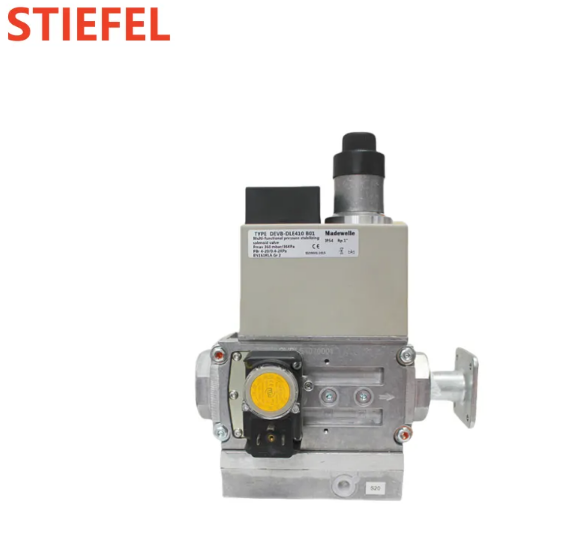
Electrical Integrity Testing of the Solenoid Valve Coil
Measuring coil resistance with a multimeter and identifying open/short circuits
To start checking electrical components, measure the coil resistance using a multimeter set to ohms mode. First thing though, make sure all wiring connections are removed so the probes can go straight onto the coil terminals themselves. When looking at the numbers, compare them against what the manufacturer says is normal usually somewhere between 10 and 100 ohms for good coils. If the meter shows infinite resistance, that means there's probably something wrong like broken windings or loose connections. On the flip side, if resistance drops close to zero, we're likely dealing with shorted turns inside the coil. Keep in mind that this test works best when done at room temperature since heat naturally increases resistance values and might hide underlying issues. Most technicians find that this basic test catches around two thirds of all coil problems even before they get into more complex diagnostics according to industry data from Control Engineering last year.
Verifying magnetic actuation and audible 'click' during power-on under rated voltage
Once the resistance check is good, apply power to the coil at its rated voltage through a current limited bench power supply. There should be a clear metal click somewhere between 0.1 and 0.3 seconds after powering up when the magnet pulls in the plunger. Watch or feel for the plunger moving all the way through its travel path to make sure it's working properly. Do some testing at different voltages too, since even if a coil passes basic resistance tests, it might not handle those little voltage changes we see in actual operation. If there are delays or inconsistent responses, this usually means one of three things happening: the coil itself is starting to wear out, the core isn't aligned right, or maybe the magnetic field just isn't strong enough anymore.
Mechanical Operation Verification: Plunger Movement and Response Time
Verifying mechanical operation is critical for ensuring a gas solenoid valve functions reliably under real-world conditions. This involves two key assessments: plunger movement and response timing.
Visual and tactile assessment of plunger travel in de-energized vs. energized states
Apply power to the coil at its specified voltage level and check how far the plunger moves either through those little inspection holes or just by looking directly at it if possible. When there's no electricity running through, the plunger needs to pull all the way back so gas can flow freely without any blockage. Once powered up, it should move straight up about half a millimeter to maybe three millimeters total, depending on the model, and shouldn't get stuck anywhere along the way. While checking this out, also watch what happens when the spring brings everything back down. The movement needs to be nice and smooth throughout, not jerky or hesitant. If there's any grinding noises or parts that stick together after moving, that usually means something is wrong underneath. Common issues include worn out guide components, dirt buildup inside, or rust forming where metal parts touch each other, all of which will eventually break down the whole mechanism over time.
Evaluating response consistency and delay—critical for safety-critical gas solenoid valve applications
To get accurate results, measure how long it takes for the mechanism to go from powered on to completely closed over at least ten cycles with a good quality digital timer. When dealing with emergency shut off systems, getting a response within one second flat is absolutely critical. Any delay here can lead to serious combustion problems down the line. The testing should cover different voltage levels, both higher and lower by around 10%, plus check performance after going through temperature changes since heat really speeds up insulation wear and messes with magnetic properties. Keep track of anything that strays more than 15% away from the standard response time because these kinds of inconsistencies are actually what causes most failures in gas systems according to industry records showing this happens in roughly eight out of every ten documented cases.
| Verification Parameter | Ideal Outcome | Failure Indicators |
|---|---|---|
| Plunger Travel | Full, smooth displacement | Sticking, partial movement |
| Cycle Consistency | ±10% time variation | Delays increasing >15% |
| Voltage Tolerance | Consistent operation at ±10% V | Sluggish response at lower voltage |
Functional Flow and Leak Testing Under Realistic Gas Pressure
Validating on/off flow control using regulated low-pressure natural gas or propane
To test how valves perform under actual working conditions, technicians should simulate operations with controlled low pressure natural gas at around 14 inches water column or propane between 11 to 13 inches water column, matching what appliances typically require. The setup involves connecting the valve to both a properly calibrated gas supply and a downstream flow measuring device. When testing, operators need to turn the coil on and off repeatedly while watching the flow readings closely. A good quality valve will stop all gas flow completely within half a second after power is cut off. This quick response time ensures proper fuel cutoff in case of emergencies and stops dangerous leaks from happening unexpectedly.
Detecting leaks via bubble test, pressure decay analysis, and electronic sniffer methods
After flow validation, conduct leak testing at 1.5× operating pressure using three complementary methods:
- Bubble test: Apply soap solution to seals and connections; persistent bubbling indicates leakage.
- Pressure decay: Isolate the valve, pressurize to 10 psi, and monitor for ≤5% pressure loss over 3 minutes.
- Electronic sniffers: Use methane- or propane-specific detectors (sensitivity ≤50 ppm) to locate micro-leaks at stem seals or seat interfaces.
Per industrial safety standards, valves leaking more than 0.5 scfh at test pressure must be replaced immediately to eliminate combustion hazards.
Application-Specific Validation for Gas Appliances
Testing gas dryer solenoid valve sequencing, duty cycle tolerance, and thermal interlock integration
When it comes to gas dryer solenoid valves, there's no such thing as generic validation. Each installation requires specific checks to make sure everything stays safe and lasts long enough. Let's start with the sequence check. The valve should only open once we confirm ignition has happened, and then shut down right before the gas stops flowing. This prevents dangerous situations where gas builds up without being burned off. Moving on to duty cycle testing, manufacturers need to run accelerated life tests according to standards like ANSI Z21.57 and CSA 6.12. These tests show whether valves can handle at least ten thousand cycles at their maximum operating rate without losing effectiveness. Lastly, thermal interlock testing is critical. If our simulations show temperatures going over 150 degrees Celsius (which is about 302 Fahrenheit), the valve needs to cut power within three seconds flat. This kind of fail-safe mechanism isn't just good practice; it meets all the safety requirements set out by UL 1037 and IEC 60730 for combustion systems. After all, nobody wants a fire hazard in their laundry room.