EN
EN

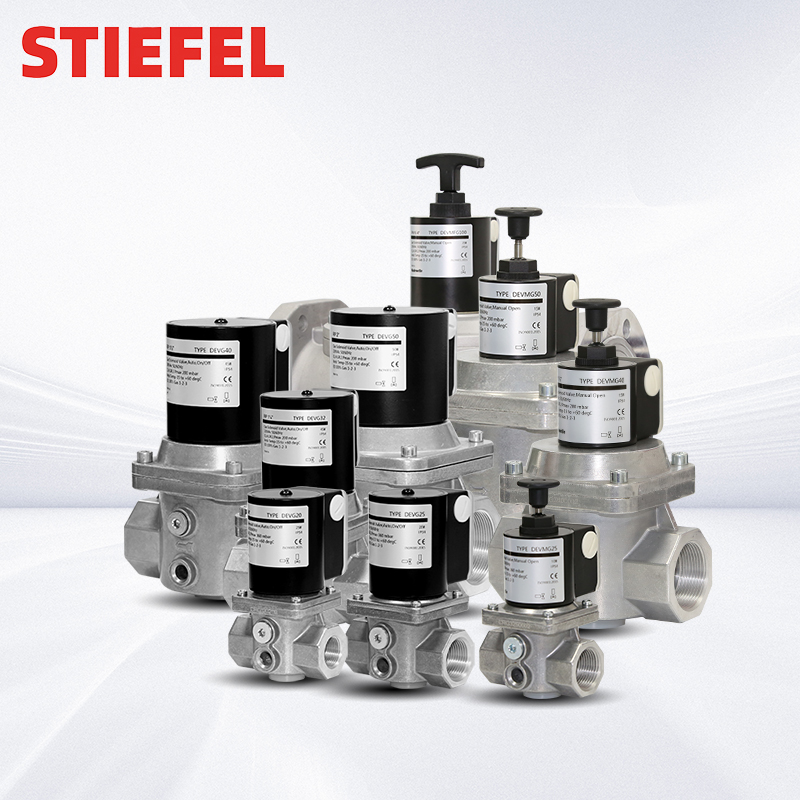
How Solenoid Valves Work in Gas Systems
Electromagnetic actuation and plunger movement fundamentals
Gas flow is controlled by solenoid valves through electromagnetic action. When electricity flows through the coil, it creates a magnetic field that lifts the metal plunger against the spring's resistance, opening up the path for gas to pass through. Once power cuts off, the spring pushes the plunger back down into its sealed position pretty quickly for most direct acting models, usually between 5 to 10 milliseconds. For these valves to work properly, the magnetic pull needs to be strong enough to fight both the spring tension and whatever pressure might be pushing back from the gas side. If there isn't enough force, we end up with either partial sealing issues or slow responses when the valve should be closing.
Direct-acting vs. pilot-operated solenoid valves: performance in gas applications
| Valve Type | Pressure Range | Response Time | Gas Applications |
|---|---|---|---|
| Direct-Acting | 0–30 PSI | 5–15 ms | Low-flow burners, analyzers |
| Pilot-Operated | 15–250 PSI | 25–150 ms | Main gas lines, boilers |
Direct-acting valves position the plunger directly over the orifice, enabling fast, fail-safe shutdown critical for burner safety. Pilot-operated designs use system pressure differentials across a diaphragm to assist opening–reducing coil power needs but increasing latency. Per ASME B16.40, these valves maintain stable flow control at pressure differentials exceeding 5:1.
Valve response time and its critical role in gas flow stability
Getting valves closed quickly matters a lot when it comes to stopping dangerous gases from building up during emergencies. The NFPA 86 standard actually requires systems to shut down completely within just 250 milliseconds. When there's a delay, pressure waves start forming that mess with the combustion process, which can lead to either the flame going out entirely or worse, a dangerous flashback situation. For really sensitive work such as gas chromatography analysis, even faster closure times below 50 milliseconds are needed so results stay accurate and reliable. Proper coil size calculation isn't just about numbers on paper either. These coils need to handle both gas speed and momentum properly. If they're too small or underpowered, they simply won't be able to push through the resistance created by high volume gas flow.
Core Components and Configurations for Reliable Gas Control
Key internal parts: coil, plunger, diaphragm, and orifice design
When electricity flows through an electromagnetic coil, it generates the force needed for actuation. This force moves a plunger which then converts it into straight line movement to either open or shut the valve's opening. For pilot operated valves specifically, this movement manages a diaphragm that acts as a flexible barrier controlling fluid passage. The shape of the orifice itself plays a big role in how much pressure drops across it and what volume can pass through. Studies show good design work can cut down on pressure losses by around 34 percent in gas applications according to research from Fluid Control Institute back in 2023. Getting the machining right matters too since even small variations matter when dealing with repeated temperature changes and fluctuating pressures over time.
2-way vs. 3-way solenoid valve configurations for gas flow management
The two port (or 2 way) valves are great for basic on off isolation in single gas line applications. When we need more control over where the gas goes, three port (3 way) valves come into play. These allow switching between main and backup supply lines, mix different inert gases for fine tuning combustion processes, or direct purge gas through alternative paths as needed. Stick with 2 way valves whenever just cutting off flow is what's needed. Save the 3 way models for situations where actually changing the direction of gas flow matters operationally. Going beyond what's necessary adds complications and creates more places where leaks might happen down the road.
Material selection: stainless steel and corrosion-resistant alloys for harsh gas environments
The SS316 stainless steel body stands out for its ability to resist moisture, carbon dioxide, and those everyday hydrocarbon gases found in most industrial settings. When dealing with really harsh stuff like wet chlorine or hydrogen sulfide, not to mention high sulfur content natural gas, engineers often turn to special alloys such as Hastelloy C-276 which holds up much better against corrosion. The seals and diaphragms need just as much attention too. Take PTFE for instance it works great with acids, oxidizers, and can handle temperatures all the way up to 500 degrees Fahrenheit. EPDM rubber is good for steam systems and oxygen rich environments where temps stay under 300F. And then there's Viton, which performs exceptionally well in fuel heavy hydrocarbon situations right up to around 400F. According to recent data from ASME B31.3-2022 standards, about seven out of ten early valve failures are actually caused by incompatible materials. That makes checking chemical compatibility tables absolutely essential before finalizing any installation specs.
Sealing Materials and Compatibility in Gas Applications
Evaluating seal materials: Viton, PTFE, and EPDM for temperature and chemical resistance
The integrity of seals plays a major role in determining how reliable gas systems will be over time. Viton® (FKM) stands out because it doesn't swell or get squeezed out when exposed to petroleum based gases, and stays flexible even at temperatures reaching around 400°F (204°C). PTFE is pretty much unmatched when it comes to resisting chemicals like hydrogen sulfide and chlorine, working well even above 500°F (260°C). But there's a catch – since PTFE isn't very elastic, installing it requires careful attention and additional support structures. EPDM works great against steam and alkaline gases under about 300°F (149°C), but watch out for hydrocarbon environments where it breaks down quickly. When picking the right material, manufacturers need to consider several connected factors: what temperatures they'll face, whether chemicals will attack the material, and how well the seal retains its shape after compression. Getting these wrong leads to problems fast – EPDM tends to crack when used in LNG applications, while Viton becomes too rigid and loses its sealing power in extremely cold conditions.
Preventing leaks: matching solenoid valve materials to specific gas types
What kind of gas we're dealing with matters more than just the basic medium when choosing seals for industrial applications. When working with natural gas containing carbon dioxide and hydrogen sulfide, engineers need materials that won't react chemically or swell up over time. That's why PTFE lined components become essential in these situations. For fuel gas systems specifically, Viton rubber is often specified because it resists hydrocarbons without expanding too much or getting squeezed out between parts. Oxygen service presents different challenges altogether. Facilities handling pure oxygen typically go for specially cleaned PTFE seals or opt for metal to metal contact points instead. This helps avoid any risk of fire caused by leftover hydrocarbon traces. Don't forget about additives either. Things like odorants such as mercaptans mixed into pipelines or methanol injections can really change how aggressive chemicals behave toward sealing materials. Remember what happened at the ethylene plant back in 2027? They had to shut down unexpectedly for two million dollars worth of repairs after using wrong type of elastomer seals. Since then, most major plants have started requiring independent testing of all sealing materials before bringing new equipment online.
Critical Selection Criteria for Optimal Solenoid Valve Performance
Voltage and electrical compatibility in industrial gas systems
Getting the right coil voltage to match what's actually available in the system is absolutely critical. If there's not enough juice, the device just won't respond properly or might only partially activate. Too much voltage? That's bad news too since it eats away at insulation faster and can lead to premature coil failure. This matters a lot in those Class I Div 2 areas where getting proper certifications isn't optional. Before installing anything, double check whether it needs AC or DC power. DC coils generally run quieter without all that annoying chatter and work better with backup batteries. AC versions give stronger starting torque when needed but tend to make noise problems when operating near their voltage limits.
Pressure ratings and differential pressure for reliable valve actuation
When selecting valves, it's important they are properly rated for the highest pressure in the system and built to handle the expected pressure difference (differential pressure) across the valve opening. Direct acting valves work well when there is almost no pressure difference across them, making these suitable for systems running under vacuum conditions or with very low pressures. For pilot operated valves, most need at least 5 pounds per square inch of pressure difference before the diaphragm will lift off its seat. Without enough pressure difference, these valves tend to close only partially which can lead to leaks over time. Going beyond what the valve was rated for causes problems too. The seals start to deform and the whole structure becomes compromised. These situations not only break industry standards like ASME B16.5 but also dramatically raise the chances of getting leaks from the system.
Flow capacity (Cv, SCFM) and its impact on system efficiency
The ability of a valve to handle flow, measured either in Cv units (which represents US gallons per minute of water at 1 psi pressure difference) or SCFM (standard cubic feet per minute), has a direct impact on both energy consumption and overall process stability. When valves are too small for their application, they cause significant pressure drops that make upstream compressors and regulators work harder than necessary. This compensation effect can actually boost energy usage by around 15%, according to research from the Fluid Controls Institute published in 2023. Getting the right size matters because proper valve dimensions maintain efficient operation while preventing unnecessary strain on equipment throughout the system.
Cv = Q √(SG / ΔP)Where Q = required gas flow rate (GPM), SG = specific gravity relative to air, and ΔP = allowable pressure drop (psi). Oversizing introduces turbulence and reduces control precision–particularly problematic in modulating or low-flow applications.
Normally open vs. normally closed: aligning configuration with safety needs
The fail-safe behavior really hinges on what happens when things go wrong by default. Take NC valves for instance these close down automatically if there's no power which makes them absolutely necessary in situations involving combustion processes, heating systems, or anything dealing with toxic gases. On the flip side NO valves stay open even when something fails making them better suited for cooling systems or purge circuits where stopping the flow would actually create bigger problems than letting some stuff escape uncontrollably. According to recent studies from Process Safety Journal back in 2022, almost four out of five gas leaks happened because someone got the valve settings wrong. That's why checking whether each valve matches up with the specific SIL requirements for that particular facility is so important. And don't forget to have someone else double check this independently too just to be safe.
Safety and Fail-Safe Mechanisms in Gas Solenoid Valves
Fail-safe operation during power loss: spring return and emergency closure
Spring return mechanisms work as built-in safety systems that don't need any outside power source, no batteries needed, and definitely no compressed air required. When there's a power outage, these mechanical springs kick in almost instantly, pushing the plunger into its preset position which is usually closed for normally closed valves. This quick response stops gas from escaping uncontrollably, something that could lead to serious explosions at places where natural gas is being transmitted or processed. According to industry numbers we've seen, each accident can cost upwards of around $740,000 on average. That's why spring return designs continue to be so popular among engineers working on SIL level 2 through 3 applications, since they offer both good protection and reasonable costs compared to other options available today.
Integrated safety features: emergency shutdown, leak prevention, and pressure control
Gas solenoid valves today come equipped with several layers of protection built right in. When it comes to emergency situations, the ESD system works hand in hand with gas detectors. If levels hit around 5% LEL, the valve shuts down automatically to stop any potential hazards. The design includes triple sealed diaphragms along with special stem seals made from materials like PTFE coated stainless steel. These improvements cut down on possible leak points by about 90% compared to older models with just two seals. Pressure regulation is another key feature that keeps things running smoothly within critical ranges between 200 and 500 mbar. This helps prevent sudden pressure spikes that might damage seals when the valve opens and closes repeatedly. All these components work together so there are no unexpected gas leaks even after years of operation through temperature changes, vibrations, and normal wear and tear. Such reliability meets important industry standards like API RP 14C and IEC 61511 for safety requirements.
FAQ
What are the differences between direct-acting and pilot-operated solenoid valves in gas systems?
Direct-acting solenoid valves use a plunger directly positioned over the orifice for quick actuation, making them ideal for low-flow applications like burners and analyzers. Pilot-operated valves, on the other hand, use differential pressure to assist with actuation, making them suitable for higher pressure applications like main gas lines and boilers.
Why is valve response time critical in gas systems?
Fast valve response time is essential to prevent pressure wave formation during emergencies, which can disrupt combustion processes. Standards like NFPA 86 require shutdown within 250 milliseconds to ensure safety in systems handling sensitive gas applications.
How do material selections impact solenoid valve performance in corrosive environments?
Material selection is crucial for resisting corrosion in harsh environments. Stainless steel like SS316 is common in general applications, but alloys such as Hastelloy C-276 offer better resistance to harsh chemicals. Proper seals like PTFE and Viton also play a role in maintaining system reliability.