EN
EN

How the Air-to-Fuel Ratio Impacts Combustion Performance
Getting the right mix of air and fuel makes all the difference when it comes to how well things burn and how much heat gets wasted. When the proportions are just right, most of the fuel burns completely without letting too much extra air suck heat out through the chimney. Industrial research shows that even a 15% off mark ratio can lead to around 18% more fuel going down the drain each year. These days, better burner parts like those adjustable gas valves and airflow dampers let operators tweak things on the fly, particularly helpful when demand fluctuates throughout the day. Take one chemical factory in the Midwest that installed automatic ratio controls back in 2025. They managed to slash their natural gas use by about 22% without running afoul of those strict NOx regulations.
The Importance of Precision Tuning in Gas Burner Systems
As parts start to show their age, things tend to go off track when it comes to how the engine runs. The timing gets out of sync, valves don't respond quite right anymore, and those sensors for detecting flames just aren't as reliable. Keeping everything calibrated makes all the difference though. When systems are properly tuned, they can hit around 92 to 95 percent efficiency during combustion. That's way better than what we see from neglected equipment which typically only manages between 78 and 84 percent. These days there are these smart diagnostic tools connected through IoT technology that watch things constantly and make adjustments automatically. According to some research from Ponemon back in 2023, this approach cuts down on tuning mistakes by about two thirds compared to doing everything manually. What does that mean? More stable performance, safer operation, and ultimately much better fuel efficiency across the board.
Modulating vs. Fixed Operation: Advancing Burner Efficiency
Modulating burners work by adjusting both fuel and air flow as needed, which gets rid of those annoying efficiency losses that happen when traditional systems just turn on and off repeatedly. Industry studies show these adaptive systems can cut down cycling losses anywhere from 18 to 27 percent during ongoing operations. The real magic happens with turndown ratios that hit around 20 to 1 thanks to electric actuators paired with smart microprocessor controls. What this means for actual operation is that the flame stays steady while delivering exactly the right amount of heat even when conditions change dramatically throughout the day.
Aligning Burner Parts Selection with Operational Goals
Strategic selection of burner components directly impacts ROI and long-term performance. Facilities prioritizing emissions use ultra-low NOx heads, while those needing fuel flexibility opt for corrosion-resistant alloys and dual-fuel trains. A 2023 survey of 142 industrial sites found that aligning upgrades with operational goals led to 47% faster payback than generic replacements.
Industry Trends Driving Demand for High-Efficiency Burner Parts
High-efficiency burner upgrades accounted for 39% of 2024 MRO spending in energy-intensive sectors, driven by tightening emissions regulations and corporate sustainability targets. The growing adoption of hydrogen-blend capable systems reflects industry adaptation to low-carbon fuels, with deployment doubling since 2021 in response to energy transition demands.
Core Fuel Train Components: Ensuring Safe and Reliable Gas Delivery
Burner Gas Train Essentials: Valves, Regulators, and Filters
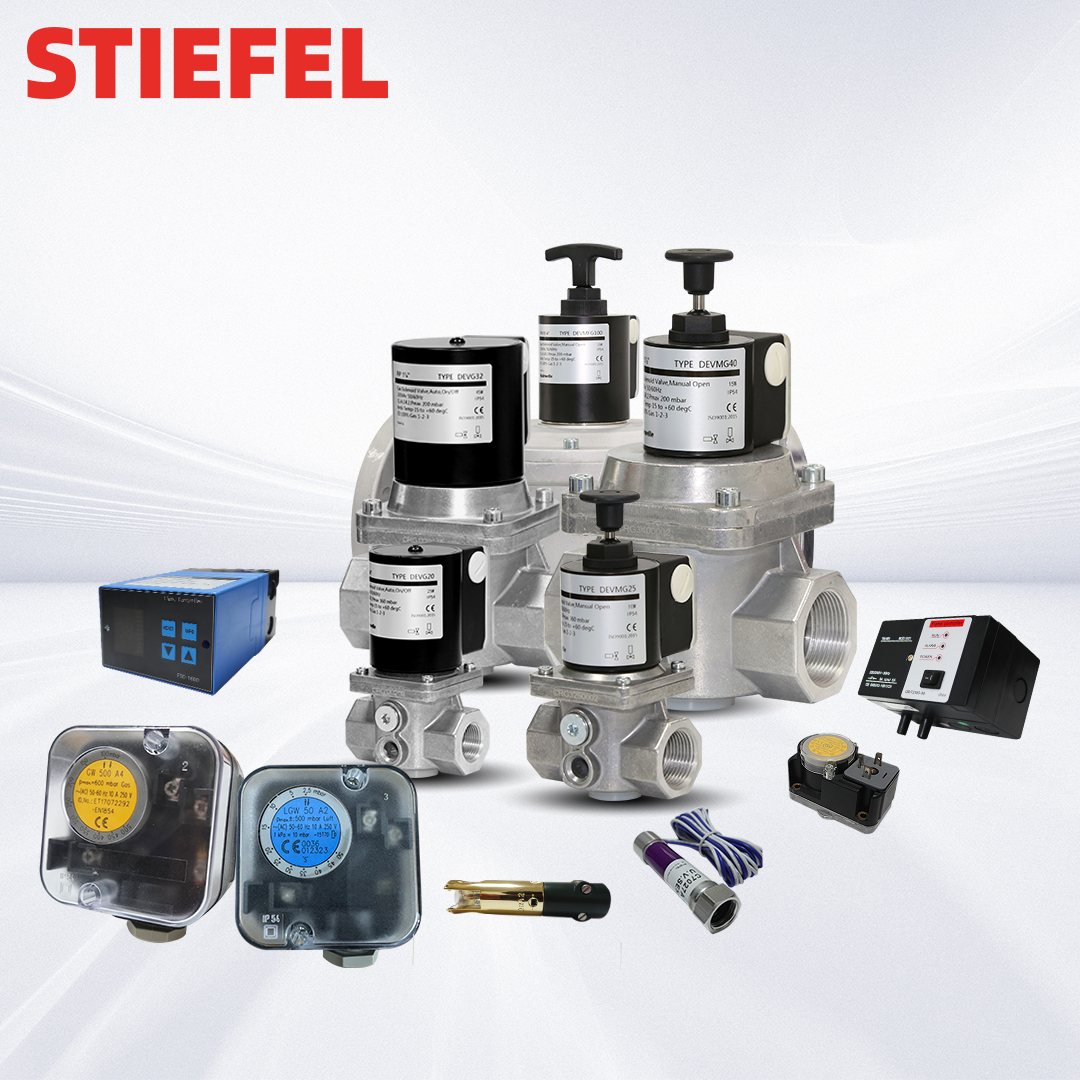
Getting reliable gas delivery down depends on three main things working together properly. First off, regulators keep the pressure steady throughout the system. The newer models out there actually reduce flow fluctuations by around 27% when compared to older equipment according to recent DOE findings. Then there are those lockout valves which serve as emergency shut offs whenever something goes wrong with pressure levels. These little devices stop about 89% of accidental gas leaks before they become major problems. Don't forget about particulate filters either. They're essential for protecting everything downstream from getting clogged up. Most good quality filters catch roughly 95% of particles bigger than 5 microns in size. Manufacturers have started integrating all these components into single compact manifolds lately. These integrated systems not only take up less space but also create fewer points where leaks might occur, meeting all the requirements set forth in NFPA 85 standards while making installation much simpler for technicians on site.
Pressure Switches and Their Critical Safety Role in Air and Gas Flow
Modern pressure switches check fuel and air pressures at incredible speeds, sometimes monitoring conditions up to 800 times every second. They act as the first line of defense against dangerous situations. Studies from NFPA in 2024 indicate that systems with dual stage validation can cut down on combustion problems by about two thirds. The real magic happens when these switches kick in automatically. If the air pressure drops below 70% of what it should be or if gas pressure goes over safe levels by just 15%, the system shuts down right away. This safety feature matters most during startup sequences, where nearly half of all issues tend to pop up according to research published by the Combustion Safety Institute back in 2023.
Optimizing Fuel-Air Mixture Through Strategic Fuel Train Design
Manufacturers at the forefront of their field have started incorporating computational fluid dynamics into their design process for gas train systems. These advanced simulations help achieve better flame stability across different load conditions, typically boosting performance somewhere between 19 to 32 percent. Industry experts recommend positioning pressure regulators no further than three pipe diameters after filters to cut down on turbulence issues. For mixing efficiency, many plants now favor venturi mixers configured with about a 22 degree inlet angle. And when it comes to measurement accuracy, top performers install flow meters rated around plus or minus half a percent tolerance for fine-tuning operations. The benefits are tangible too. Plants implementing these optimized designs often see annual fuel savings hovering around 18 percent while maintaining nitrogen oxide levels well under the EPA's 9 parts per million standard from 2023. Combine all this with smart monitoring systems connected through the Internet of Things, and most facilities find themselves reaching breakeven points within roughly 11 months according to recent industry reports.
Air System and Combustion Dynamics: Actuators and Airflow Control
Modern combustion efficiency depends on precise airflow management, which can reduce fuel waste by 12–18% in industrial applications (Ponemon 2023). Proper actuator selection and system design are essential for maintaining optimal combustion across changing loads.
Fuel and Air Actuators in Modulating Burner Operation
Motorized actuators in modulating burners continuously adjust fuel valves and air dampers to sustain the ideal air-to-fuel ratio. Systems with precision actuators reach 94–97% combustion efficiency, significantly outperforming fixed systems (82–88%). Key factors include fast response to thermal changes, compatibility with PLC-based burner management systems, and durability in high-temperature environments.
Advanced Air System Configurations for Consistent Combustion
Industrial burners typically use one of two air system designs:
| Configuration | Airflow Delivery | Maintenance Needs | Ideal Use Case |
|---|---|---|---|
| Monoblock | Direct fan link | Low | Space-constrained sites |
| Dual-block with duct | Separated system | Moderate | High-temperature apps |
Dual-block systems experience 23% fewer combustion irregularities but require 15% more space. Modern versions include pressure-compensating dampers that automatically adjust for altitude and air density fluctuations.
Ignition and Flame Safety Systems: Reliability from Start to Monitoring
Ignition Components: Spark Electrodes and Transformers
Getting reliable ignition going starts with those spark electrodes that pack enough punch and transformers able to dish out around 12 to 15 kilovolts worth of electricity across all sorts of fuels including natural gas right on through to heavier oils. When there's lots of moisture hanging around, keeping those electrode points clean and working right cuts down on failed ignitions by almost two thirds according to research published last year in Combustion Tech Journal. Using materials that resist corrosion adds about forty percent more time before parts need replacing. And let's not forget about these newer transformers with smart voltage controls. They adjust themselves based on what's happening with gas pressure fluctuations, which means nearly every single try actually works the first time around with success rates hitting close to ninety eight percent.
Flame Detection Technologies: IR, UV, Ionization, and Frequency Sensors
Flame detection isn't one size fits all since different fire types need their own specialized approaches. IR sensors work great through smoke and steam clouds, which is why they're commonly used in oil burning setups. For cleaner burning gases, UV sensors react much faster - studies show around 87% improvement according to the latest 2024 Flame Safety Benchmarks. Ionization probes actually measure how conductive the flame is, whereas frequency analysis looks at those telltale flickers between 3 to 300 hertz to spot real fires versus false alarms. The best results come from multi-spectrum detectors that mix several of these technologies together. These advanced systems hit nearly 99.97% accuracy rates and automatically recalibrate themselves every fifteen minutes, ensuring consistent performance even after long periods of operation.
Integrating Flame Safety Controls to Prevent Hazards
Flame safety systems bring together detection equipment and burner management systems using digital connections. When there's a loss of flame, these systems can shut down operations in just 2 to 4 seconds, stopping around 92 percent of possible explosions before they happen. The latest systems use machine learning to tell the difference between a wobbly flame and a faulty sensor, cutting down on false alarms by about 40%. This means fewer unnecessary shutdowns and less wasted production time. For ongoing issues that don't go away, the system kicks in automatic cleaning cycles. These cycles follow strict NFPA 85 guidelines but also keep plants running smoothly most of the time instead of grinding to a halt unexpectedly.
Burner Head Design and Long-Term Performance Optimization
Engineering Principles Behind Oil and Gas Burner Heads
Effective combustion starts with aerodynamically engineered burner heads that promote turbulent mixing. Features like contoured nozzles and strategic diffusers generate controlled vortices, achieving 98.7% fuel-air mixing efficiency in modern systems. Compared to traditional flat-head designs, these advanced configurations reduce flame instability risks by 42% (ABMA 2023 thermal performance study).
Design Impact on Emissions Reduction and Fuel Efficiency
| Burner Head Feature | Emission Reduction | Efficiency Gain |
|---|---|---|
| Multi-stage injection | 58% NOx decrease | 6-9% improvement |
| Swirl generation tech | 37% CO reduction | 4% fuel savings |
| Precision fuel staging | 81% PM decrease | 12% peak efficiency |
These results stem from computational fluid dynamics modeling that predicts flame behavior within 2.1% of actual performance, enabling highly accurate design optimization.
Fixed vs. Modulating Burner Heads: Industrial Application Trade-offs
Fixed burner heads are economical for steady-load operations with less than 5% variability. However, for facilities with fluctuating thermal demands, modulating burner heads deliver 18–23% annual fuel savings. Performance comparison:
| Parameter | Fixed Burners | Modulating Burners |
|---|---|---|
| Turndown ratio | 3:1 | 10:1 |
| Response time | 45-60 seconds | <15 seconds |
| Maintenance cost | $1.2k/yr | $2.7k/yr |
Balancing Complexity and Durability in High-Quality Burner Parts
New developments have made it possible to get better performance without cutting corners on how long things last. Components coated with zirconia can handle heat as high as 1450 degrees Celsius, which is pretty impressive for industrial applications. The self aligning nozzles are another game changer they cut down on maintenance stops by around three quarters, according to field tests. When it comes to fuel systems, modular staging units aren't just convenient they actually save time during replacements, often taking less than ninety minutes to swap out. What's really interesting though is that despite making parts more complex by just 18%, these improvements manage to extend the average time between breakdowns by nearly 30% based on the latest Industrial Burner Reliability Index from 2024. So basically, manufacturers are finding ways to deliver stronger performance while still keeping equipment running reliably over longer periods.
FAQ
What is the importance of the air-to-fuel ratio in burners?
The air-to-fuel ratio is crucial in burners as it ensures efficient combustion, minimizing fuel wastage and optimizing heat production. A precise ratio prevents excessive air from reducing combustion efficiency and helps comply with emission regulations.
How do modern pressure switches contribute to burner safety?
Modern pressure switches monitor air and gas pressures rapidly, ensuring any deviations trigger an automatic system shutdown to prevent combustion issues. They enhance safety by acting as a proactive defense against dangerous conditions.
What advantages do modulating burners offer over fixed burners?
Modulating burners continuously adjust fuel and air flow to maintain optimal combustion, reducing efficiency losses from on/off cycling. They offer faster response times and greater fuel savings, making them ideal for variable load conditions.
Why is precision tuning important for gas burner systems?
Precision tuning ensures gas burner systems operate at their peak efficiency, reducing fuel wastage and maintaining safety. Proper calibration prevents performance degradation due to aging components and helps meet regulatory standards.
How do burner head designs affect combustion efficiency and emissions?
Advanced burner head designs with features like multi-stage injections and swirl generation technologies enhance fuel-air mixing efficiency, significantly reducing emissions and improving overall fuel efficiency.
Table of Contents
- How the Air-to-Fuel Ratio Impacts Combustion Performance
- The Importance of Precision Tuning in Gas Burner Systems
- Modulating vs. Fixed Operation: Advancing Burner Efficiency
- Aligning Burner Parts Selection with Operational Goals
- Industry Trends Driving Demand for High-Efficiency Burner Parts
- Core Fuel Train Components: Ensuring Safe and Reliable Gas Delivery
- Air System and Combustion Dynamics: Actuators and Airflow Control
- Ignition and Flame Safety Systems: Reliability from Start to Monitoring
- Burner Head Design and Long-Term Performance Optimization
-
FAQ
- What is the importance of the air-to-fuel ratio in burners?
- How do modern pressure switches contribute to burner safety?
- What advantages do modulating burners offer over fixed burners?
- Why is precision tuning important for gas burner systems?
- How do burner head designs affect combustion efficiency and emissions?