EN
EN

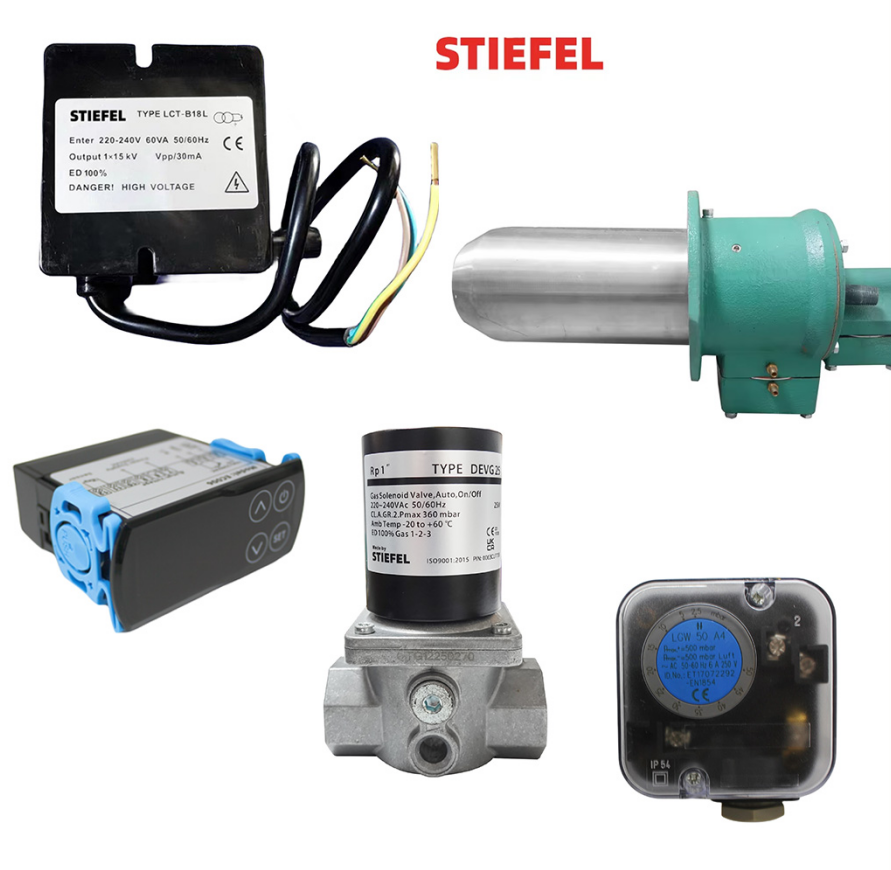
Critical Safety-Control Boiler Parts That Prevent Catastrophic Failure
Safety Relief Valves: First-Line Defense Against Overpressure
The safety relief valve serves as the main protection against excessive pressure in boilers, kicking in automatically whenever steam or fluid pressure goes beyond what's been approved. When these valves fail to work correctly, the consequences can be really bad - think about potential ruptures that could endanger people and equipment alike. According to research from the Ponemon Institute back in 2023, each incident involving pressure problems costs companies an average of around $740k just for direct damages alone. Getting the right size valve installed matters a lot, along with routine checks and sticking to ASME standards during maintenance work. These steps help make sure the valve activates exactly when needed according to its design specs. For anyone concerned about both regulatory requirements and actual workplace safety, investing time and resources into proper valve management simply cannot be ignored.
Low Water Cutoffs (LWCO): Stopping Dry-Firing Before Irreversible Damage
Low water cutoff devices, or LWCOs as they're commonly called, stop equipment from running dry by shutting off power once water drops below what's considered safe. When left unchecked, running equipment without enough water leads to warped tubes, damaged refractories, and worst case scenario - explosions. The basic versions use probes or floats to detect water levels. But in really important systems where failure isn't an option, going with electronic LWCOs that check multiple points makes sense. These setups cut down on problems caused by a single sensor failing. We've seen cases where this kind of backup system saved companies hundreds of thousands in repair bills instead of facing those massive costs after a total system meltdown.
Fuel Safety Shutoff Valves and Flame Safeguards: Ensuring Combustion Integrity
The system works together to stop fuel from flowing when it shouldn't and makes sure the burner stays lit properly. When something goes wrong like the flame going out or not enough air getting through, fuel shut off valves kick in to block the supply. At the same time, those fancy UV or IR flame scanners check if there's actually fire burning inside the chamber, usually within just a few seconds. What keeps this whole thing reliable? Well, there are these dual block and bleed valves that provide extra protection, plus shutdown sequences that link different parts of the system together with those combustion air sensors watching closely. And let's not forget about the self testing diagnostics built right in that catch problems before they become big headaches. According to industry standards like NFPA 85 and CSA B149.1, when these safety systems are set up correctly, they stop around 87% of all issues related to combustion in industrial boiler setups across the board.
Monitoring and Shutdown Boiler Parts That Detect Critical Faults
High/Low Gas Pressure Switches and Air Flow Sensors
Gas pressure switches work alongside airflow sensors to monitor combustion conditions in real time. When fuel pressure drops below safe levels, which can lead to incomplete burning, or climbs too high creating dangerous gas buildup, these switches will stop operations automatically. At the same time, airflow sensors check that there's enough air mixing with fuel during combustion processes. This helps avoid carbon monoxide production and keeps flames stable instead of flickering or going out unexpectedly. Any problem detected by either device results in an automatic system shutdown within seconds. According to recent industrial safety reports from 2023, plants lacking both types of protection equipment experience about 68 percent more combustion incidents compared to those with full monitoring systems installed. The way these components work together explains why they remain essential parts of any properly equipped boiler control system designed for emergency situations.
High-Pressure and High-Temperature Cutout Switches with Safety Interlocks
At the end of the line we find these mechanical and electrical backup systems that kick in almost instantly when main controls stop working properly. When pressure gets too high or temperatures spike past what's stamped on the ASME certification, physical cutouts actually break the power circuit to shut things down safely. The safety interlocks built into the system create something called a hard lockout situation. Basically, this means nobody can just turn the system back on again until someone who knows what they're doing has checked everything out, hit the reset button, and made sure whatever caused the problem in the first place has been fixed properly. These kinds of protocols tackle head-on the number one reason boilers explode control systems getting bypassed or overridden accidentally. According to data from NFPA released in 2022, about 42 percent of all boiler explosions happen because someone either skipped over or ignored these important safety checks. And speaking of records, the logs generated by these interlocks make diagnosing problems much faster and help meet those pesky regulatory requirements for documentation too.
Water Level Management Boiler Parts for Operational Continuity and Verification
Electronic Level Sensors vs. Sight Glasses: Reliability in Emergency Conditions
Getting accurate readings on water levels in real time matters a lot if we want to avoid dry firing problems. Electronic level sensors do this job really well because they provide constant digital feedback, let operators set custom alerts, and don't get messed up by mineral buildup or heat changes. Sight glasses are different though. They require someone to actually look at them, and over time they tend to fail when there's dirt accumulation, leaks happen, or temperatures get too hot. According to NFPA 2023 data, about one out of every four recorded cases of dry firing happened simply because people couldn't see through dirty or damaged sight glasses. That said, properly calibrated sight glasses still have their place as backup systems. Most experts recommend using electronic sensors first and foremost these days, keeping sight glasses around mainly for checking things independently when setting up equipment or doing regular maintenance checks.
Sealing and Containment Boiler Parts That Mitigate Escalation Risks
Valve Packing, Observation Port Glass, and High-Temperature Gaskets
When it comes to keeping things contained, sealing components play a vital role in stopping problems before they get out of hand—from small drips to major spills that could be dangerous. Valve packing materials like braided graphite or PTFE create those moving stem seals that can handle pretty intense heat and pressure over time. For observation ports, we usually go with heat strengthened borosilicate glass because it stays clear and holds up structurally even when subjected to repeated temperature changes, which makes checking flames safely possible. Then there's the matter of high temp gaskets made from compressed graphite or ceramic fibers that keep flanges intact despite pressures going past 300 psi and temps climbing well over 1000 degrees Fahrenheit. All these different parts work together as part of a solid containment plan that helps limit what gets exposed, stops harmful stuff from escaping into the environment, and keeps operations running safely even when something goes wrong.
FAQ
What are safety relief valves? Safety relief valves are devices that protect boilers from excessive pressure by releasing steam or fluids when pressures exceed acceptable limits.
Why are Low Water Cutoffs important? Low Water Cutoffs prevent boilers from operating without sufficient water, which can cause severe damage or explosions.
How do fuel safety shutoff valves function? Fuel safety shutoff valves stop the flow of fuel when abnormal combustion conditions are detected, ensuring safe operation.
What role do high-pressure cutout switches play? These switches stop boiler operations when pressure or temperature exceed safe limits, preventing potential explosions.
Why are electronic level sensors preferred over sight glasses? Electronic level sensors provide more reliable and continuous water level readings compared to sight glasses, which can become obstructed over time.