EN
EN

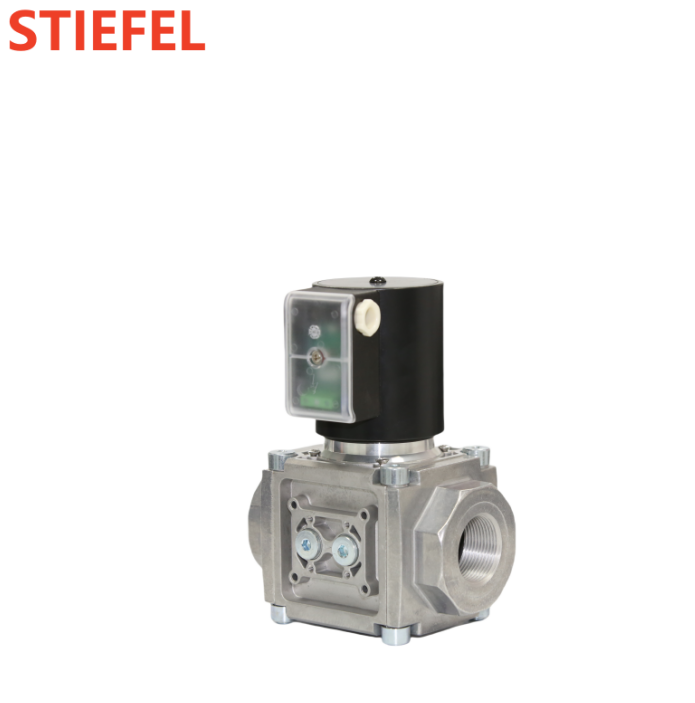
In the intricate world of industrial combustion and gas control systems, the reliability of each component is paramount. Among these, the gas solenoid valve stands as a critical guardian, responsible for the precise and safe on-off control of fuel flow. At Stiefel, as a trusted supplier of high-quality combustion and gas equipment since 2013, we understand that system uptime, safety, and efficiency hinge on the dependable performance of these valves. But what exactly determines whether a gas solenoid valve will perform flawlessly for years or become a source of downtime? This blog delves into the key factors that fundamentally affect the reliability of gas solenoid valves.
Design and Manufacturing Quality
The foundation of reliability is laid during the design and manufacturing phases. A well-engineered solenoid valve is built to endure.
Material Selection
The choice of materials for the valve body, seals, diaphragm, plunger, and coil determines compatibility with different gas types and resistance to wear and corrosion. Brass, stainless steel, and aluminum are common for bodies, while specialized elastomers like NBR or FKM are used for seals based on the gas and operating temperature.
Precision Engineering
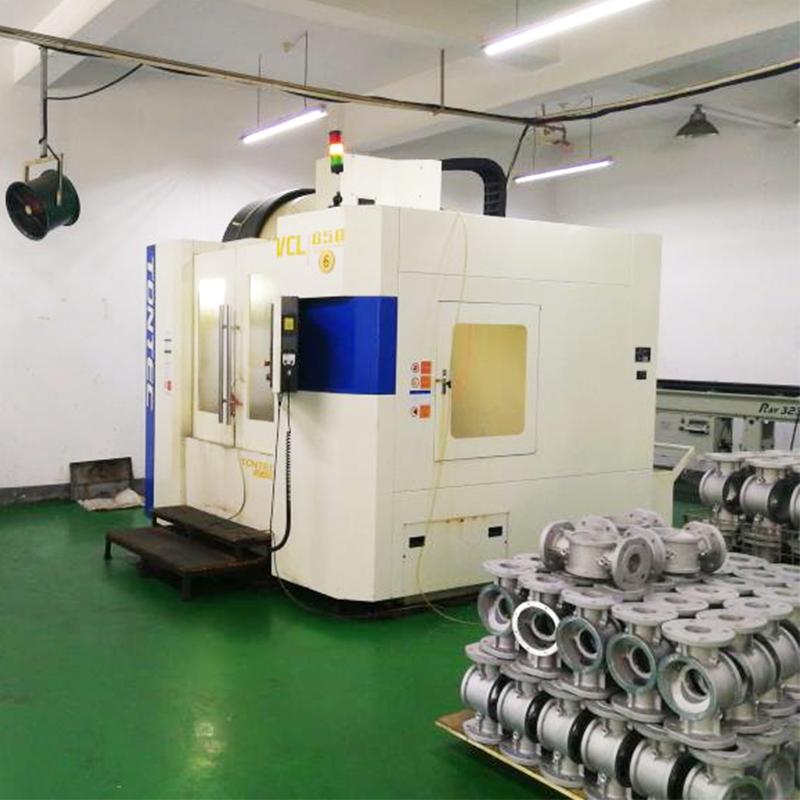
Tight manufacturing tolerances ensure consistent operation, prevent internal leakage, and contribute to a long service life. The quality of the solenoid coil winding, the smoothness of the plunger movement, and the sealing surface finish are all critical details that separate a robust valve from a problematic one.
Application and Operational Conditions
Even the best-designed valve can fail if improperly applied. Matching the valve to its specific duty is crucial.
Media Compatibility
The valve must be constructed of materials entirely compatible with the specific gas it will control—whether it’s natural gas, propane, biogas, or others. Incompatible materials can degrade, swell, or corrode, leading to leaks or seizure.
Pressure and Flow Ratings
Operating a valve beyond its specified pressure and flow ranges induces excessive stress. Consistently high pressure differentials can damage the seat or diaphragm, while undersized valves for a high flow application may cause excessive velocity, leading to erosion and premature wear.
Cycle Frequency and Duty Cycle
Valves are rated for a maximum number of cycles and a specific duty cycle (e.g., continuous or intermittent). A valve designed for infrequent operation used in a rapidly cycling application will wear out quickly. The mechanical action of the plunger and seal is subject to fatigue over time.
Environmental Influences
The surrounding environment where the valve is installed plays a significant role in its longevity.
Ambient Temperature
Extreme temperatures affect performance. High ambient heat can degrade seals and overload the coil, while extreme cold can cause moisture to freeze, potentially jamming the mechanism. Selecting a valve with appropriate temperature ratings for its location is essential.
Exposure to Contaminants
Dust, dirt, oil, and moisture in the environment can infiltrate the valve. Particulates can abrade sealing surfaces or block small orifices. Moisture can lead to corrosion of internal metal parts, especially on the plunger and spring, impeding movement.
Vibration and Shock
In industrial settings, excessive vibration can loosen mounting hardware, cause wire fatigue on coil connections, or lead to unintended valve chatter. Valves installed on vibrating machinery may require additional securing or isolation.
Electrical Characteristics and Control
The solenoid valve is an electromechanical device, and its electrical supply is a key reliability factor.
Voltage Stability and Quality
Operating the coil on incorrect or fluctuating voltage generates excess heat, reduces magnetic force, and shortens coil life. Voltage spikes can instantly burn out the coil. Proper power supply conditioning and the use of correct voltage coils are mandatory.
Type of Control Signal
Valves can be controlled with simple on-off signals or via more complex pulse-width modulation (PWM). The valve must be suited to the control method. Rapid switching with an incompatible valve can cause premature failure due to thermal and mechanical stress.
Installation and Maintenance Practices
Finally, human factors in installation and upkeep are decisive.
Correct Installation
Following manufacturer guidelines for piping orientation, mounting position, and use of thread sealants (applied correctly to avoid ingress into the valve) is critical. Incorrect piping can impose mechanical stress or allow debris to enter the valve port.
Preventive Maintenance
Even the most reliable valves benefit from a scheduled maintenance program. This can include inspecting for external leaks, checking electrical connections, testing operational response times, and cleaning inlet filters or strainers that protect the valve from pipeline debris. For critical applications, establishing a replacement schedule based on operating hours or cycles can prevent in-service failure.
The Stiefel Commitment to Reliability
Understanding these factors allows for informed selection and operation. At Stiefel, we engineer our range of gas solenoid valves, including robust +4 gas solenoid valve configurations designed for demanding applications, with these very principles in mind. Our focus on high-quality materials, precise manufacturing, and rigorous testing ensures that when you specify a Stiefel solenoid valve, you are investing in a component built for reliable, long-term performance. We support our products with deep technical expertise to help you select the perfect valve for your specific media, pressure, environmental, and control requirements, thereby maximizing system reliability and supporting your energy-saving and operational goals.