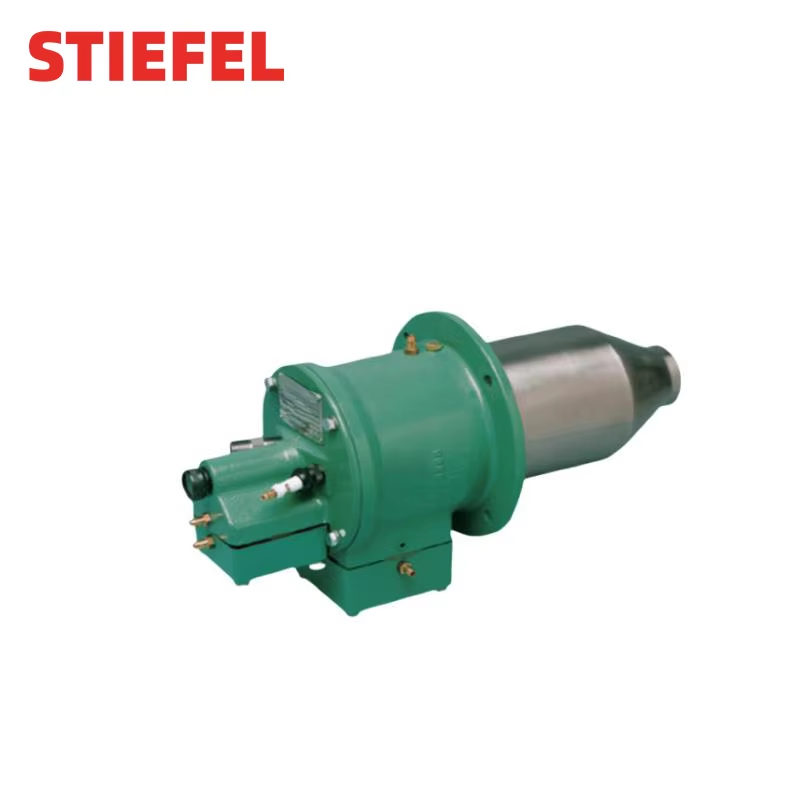
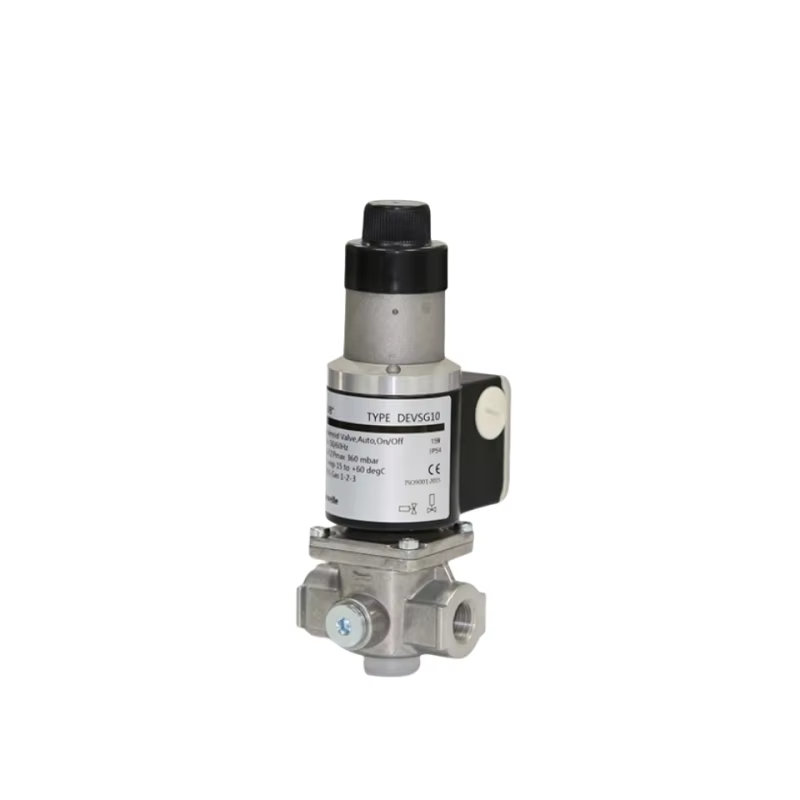
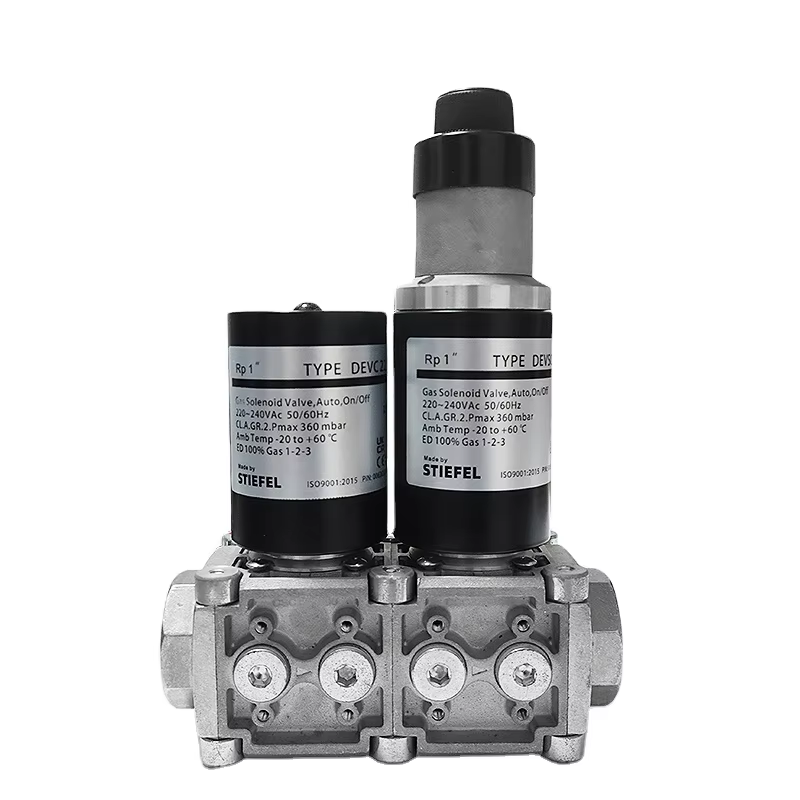
Isang maaasahang sistema ng pagsisiyasat ng gas burner ay isang pangunahing kinakailangan para sa kaligtasan at operasyon ng anumang kagamitan na gumagamit ng gas o likidong fuel. Ang tanging layunin nito ay ang ligtas, pare-pareho, at epektibong pagpapakindi ng handa nang halo ng fuel at hangin sa eksaktong oras na kinakailangan ng logic ng kontrol ng burner. Ang isang kabiguan sa loob ng sistemang ito sistema ng pagsisiyasat ng gas burner ay maaaring magdulot ng mapanganib na kondisyon tulad ng pag-akumula ng hindi nasusunog na fuel sa silid ng pagsunog, na maaaring magresulta sa mapanganib na pagsabog kapag may nakalaang pagpapakindi. Kaya naman, ang disenyo at kalidad ng mga sangkap ng isang sistema ng pagsisiyasat ng gas burner ay sumasailalim sa mahigpit na mga pamantayan sa kaligtasan. Ang sistema ay gumagana sa isang maingat na pinagsunod-sunod na siklo, na karaniwang nagsisimula pagkatapos ng isang pre-purge na panahon na naglilinis sa silid mula sa anumang natitirang gas. Ang sistema ng pagsisiyasat ng gas burner ay sumisiklab, na lumilikha ng mataas na enerhiyang spark habang ang baha-bahay na valve ng pagsasaayos ng fuel ay binubuksan para sa maikling "pagsusubok para sa pagsiklab" (karaniwang 3–10 segundo). Kung ang apoy ay matagumpay na natukoy ng hiwalay na sensor, ang sistema ng pagsisiyasat ng gas burner ay nawawala ang kuryente, at ang burner ay tumutuloy sa pangunahing operasyon ng apoy. sistema ng pagsisiyasat ng gas burner at ang valve ng fuel ay isinasara, at ang controller ay pumasok sa safety lockout, na nangangailangan ng manu-manong pag-reset.
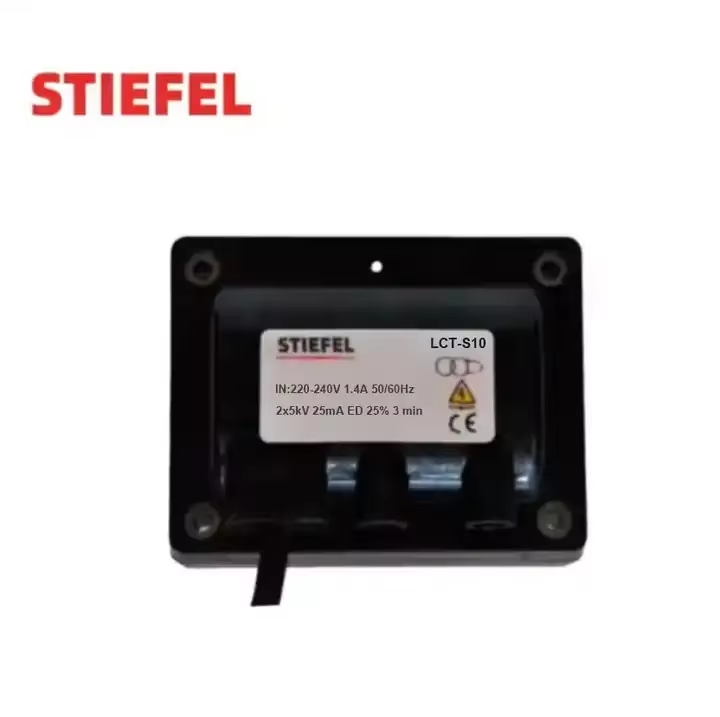
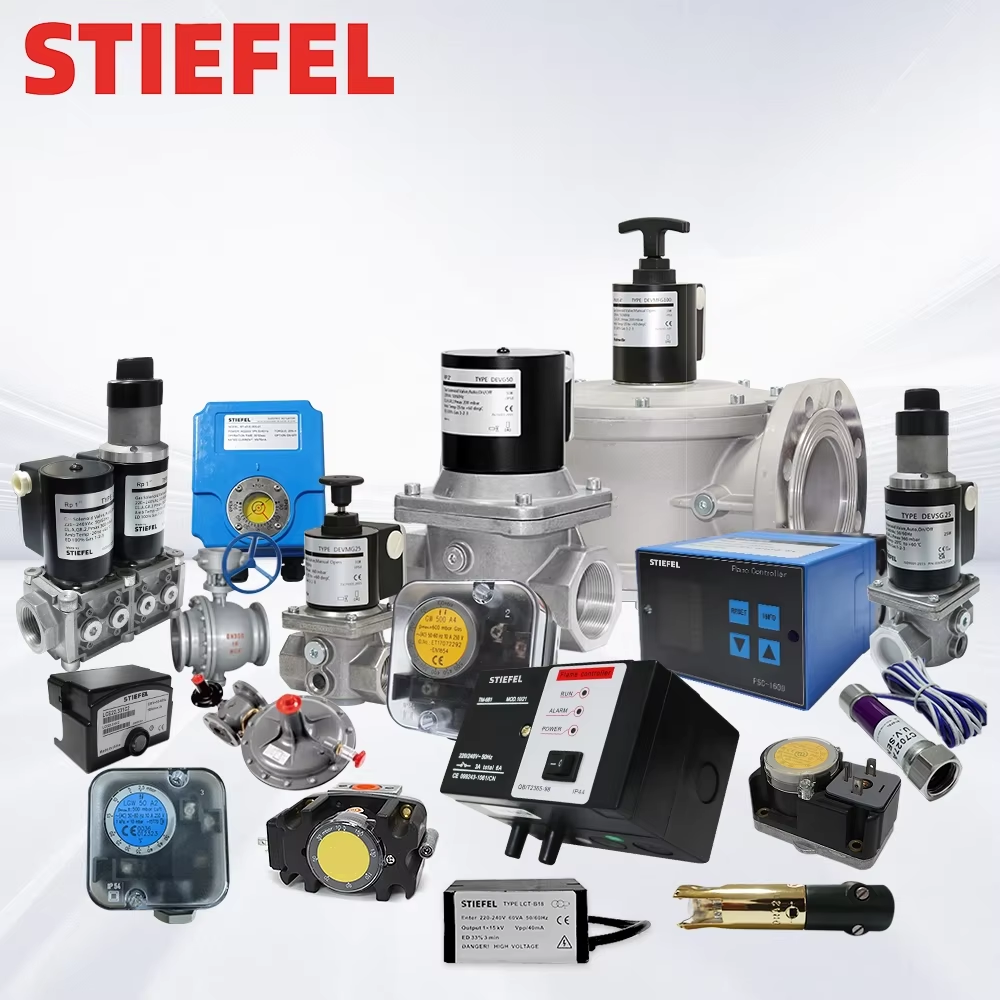
Ang sistema ng pagsisiyasat ng gas burner ay binubuo ng ilang pangunahing bahagi na kumikilos nang sabay-sabay. Ang ignition Transformer ay ang pinagkukunan ng kuryente. Ito ay isang electromagnetic na device na itinataas ang karaniwang line voltage (halimbawa: 120V AC) patungo sa napakataas na voltage (karaniwang 8,000 hanggang 15,000 volts AC). Ang mataas na voltage na ito ay kinakailangan upang labanan ang electrical resistance ng hangin at lumikha ng malakas at nakikitang spark sa pagitan ng isang puwang. mga Electrode ng Ignisyon ay ang mga terminal kung saan sumusulpot ang kuryenteng ito. Nakaposisyon sila nang estratehiko sa ulo ng burner kung saan ang halo ng fuel at hangin ay optimal para sa pagsindi. Ang mga electrode ay kailangang gawin mula sa espesyal na mga metal na alloy na may mataas na temperatura (tulad ng 310 stainless steel o silicon carbide) upang tumutol sa mabilis na pag-oxidize, pitting, at distorsyon na dulot ng matinding init ng spark at ng pangunahing apoy. Ang kable ng pagsindi na may mataas na temperatura ay nag-uugnay sa transformer at sa electrode. Lubos itong pinagkakabitan ng insulasyon gamit ang mga materyales tulad ng silicone upang kontrolin ang mataas na boltahe at maiwasan ang arcing patungo sa lupa, samantalang sapat pa ring nababaluktot upang tumagal sa vibrasyon at init. Sa huli, ang kontrolador ng pagsindi (madalas bahagi ng mas malaking kontrolador ng pamamahala ng burner) ang namamahala sa buong sunud-sunod na proseso. Ito ang nagbibigay ng kuryente sa transformer lamang sa panahon ng tiyak na window ng pagsubok para sa pagsindi, habang tumatanggap din ng feedback mula sa circuit ng deteksyon ng apoy. Ang katiyakan ng bawat bahagi sa sistemang ito sistema ng pagsisiyasat ng gas burner ang kadena ay mahalaga; ang isang mahinang transformer, isang naka-corrode na electrode, o isang cracked na cable insulation ay maaaring lahat magdulot ng pagkabigo sa pagsindi.
Sa praktikal na aplikasyon, ang pagganap ng sistema ng pagsisiyasat ng gas burner ay direktang nakaaapekto sa kahusayan at kaligtasan ng operasyon. Halimbawa, sa isang malaking pang-industriyang steam boiler na ginagamit sa isang planta ng pagmamanupaktura, ang mahinang spark mula sa isang gumaganang transformer ay maaaring hindi maaasahan sa pagsindi ng pilot o pangunahing gas. Ito ay nagreresulta sa paulit-ulit na nuisance lockouts, na nagdudulot ng di-nakaplanong paghinto, nawalang produksyon, at mahal na mga tawag para sa emergency service. Ang proaktibong pagpapalit ng mga sistema ng pagsisiyasat ng gas burner komponente oven na pinapatakbo ng natural gas sa isang linya ng pagproseso ng pagkain, ang eksaktong posisyon ng electrode ng pagsindi ay napakahalaga. Kung ang dulo ng electrode ay lumukot o nakaubos sa paglipas ng panahon, maaaring magbago ang agwat ng spark, o maaaring mangyari ang spark sa isang hindi optimal na lokasyon sa loob ng daloy ng gas. Maaari itong magdulot ng nahuhuling pagsindi, na nagreresulta sa maliit na "puff" o bugso, na nagpapabigat sa panloob na takip ng combustion chamber at nagdudulot ng alalahanin sa kaligtasan. Ang regular na inspeksyon at kapalit ng mga electrode sa loob ng sistema ng pagsisiyasat ng gas burner ay kaya nangangailangan ng regular na preventive maintenance. Upang matiyak na pipiliin mo ang tamang mga komponente na compatible sa iyong tiyak na modelo ng burner at upang makatanggap ng detalyadong presyo para sa mga transformer, controller, o set ng electrode, mangyaring makipag-ugnayan sa aming technical sales team nang diretso mangyaring makipag-ugnayan sa amin sistema ng pagsisiyasat ng gas burner na mga bahagi na kailangan para sa ligtas at maaasahang operasyon.
 EN
EN