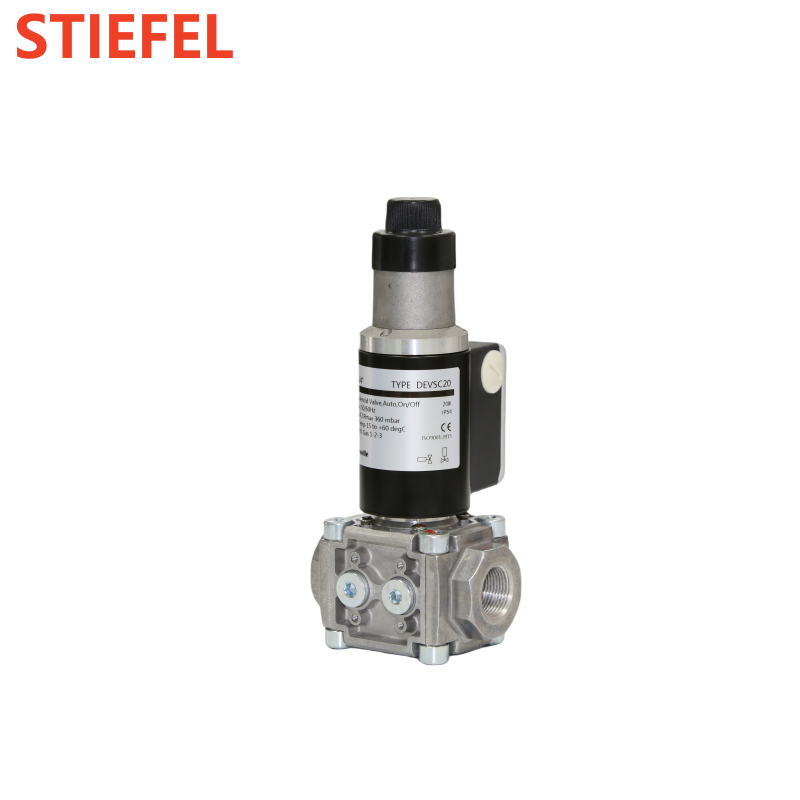
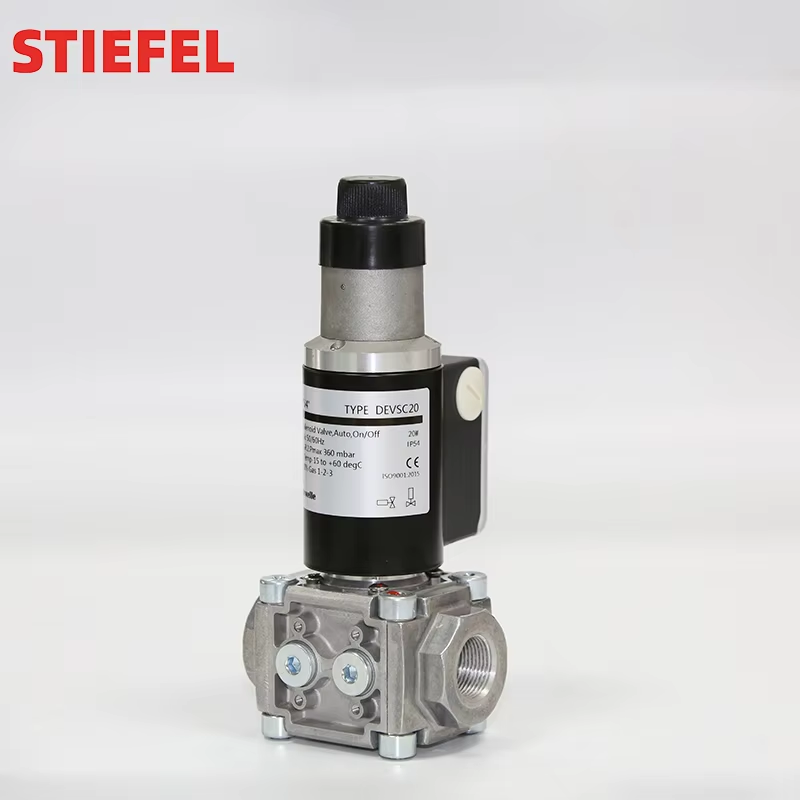
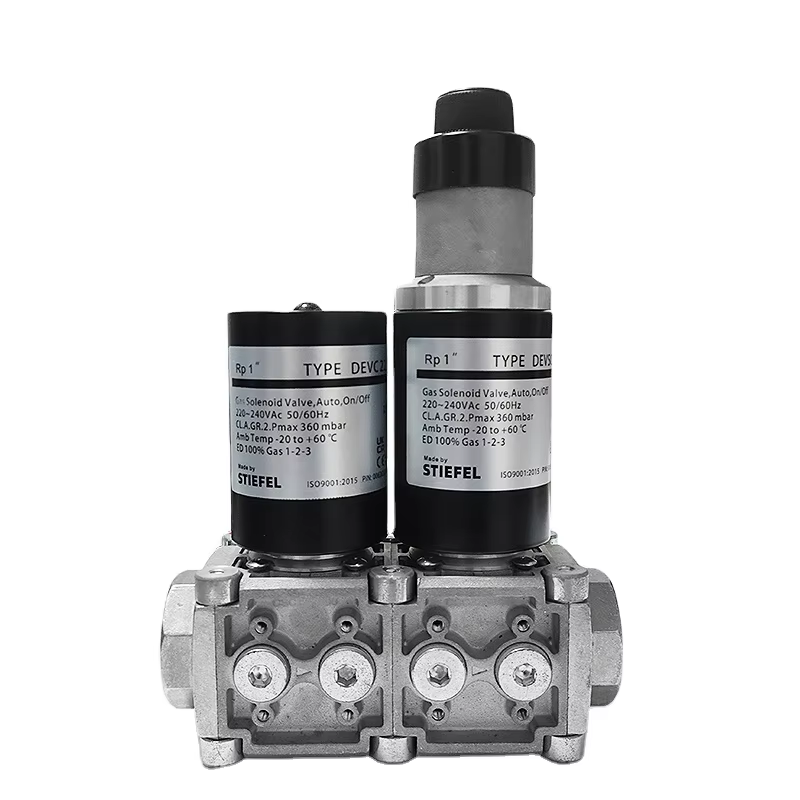
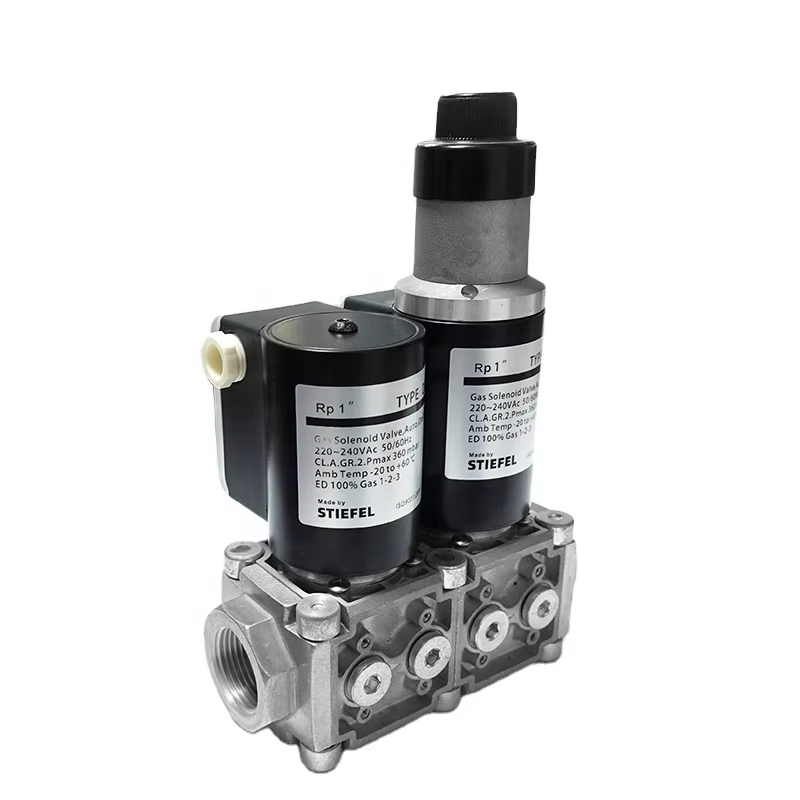
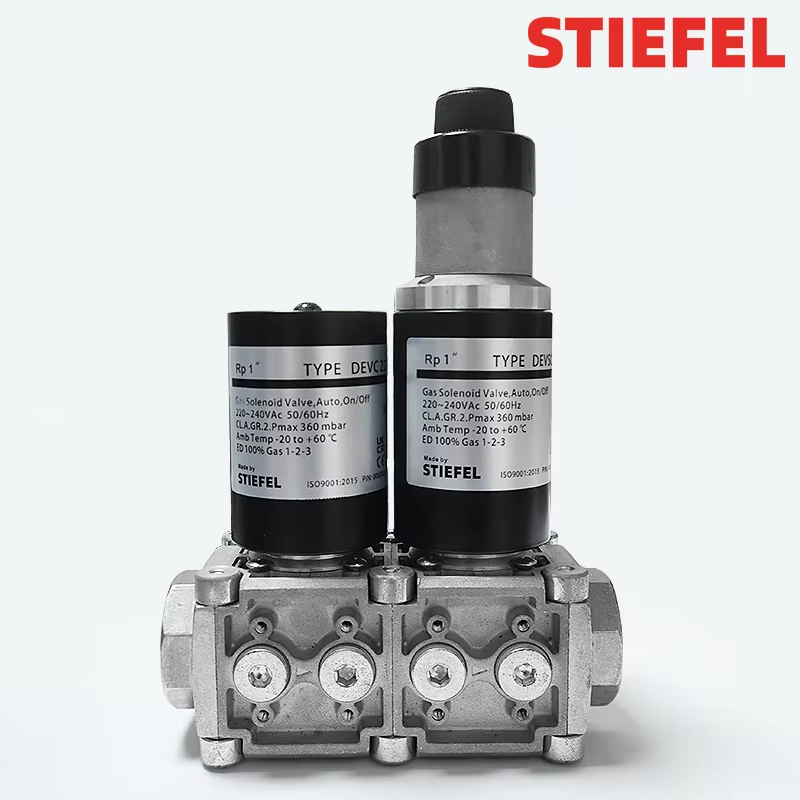
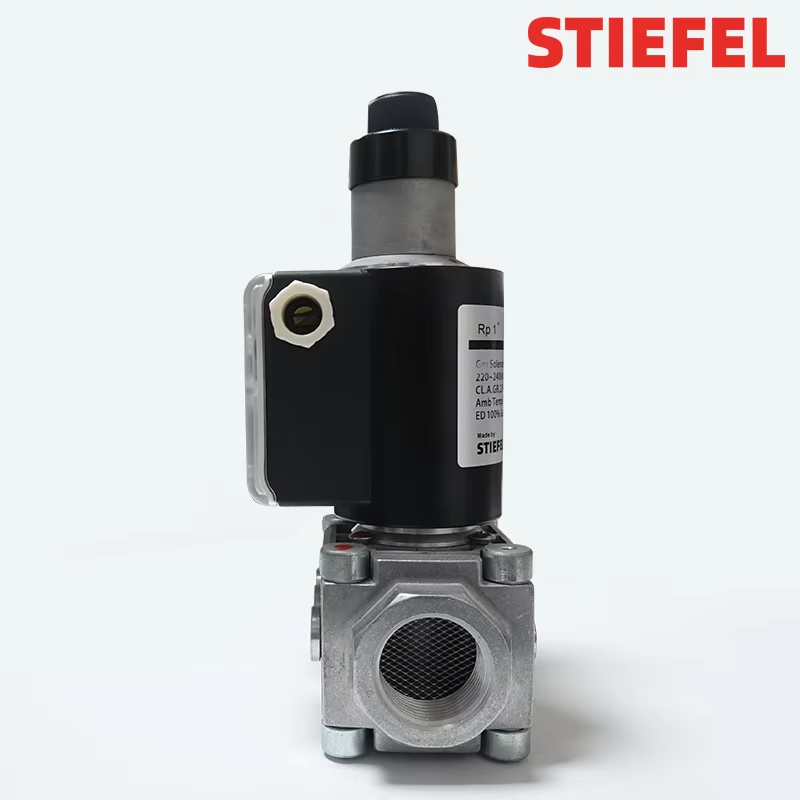
In the automated control and safety architecture of any gas-fired appliance or industrial burner, the Gas Solenoid Valve functions as the crucial final electronic gatekeeper for fuel. Specifically, the 220V Gas Solenoid Valve is a predominant standard in industrial and commercial settings due to its direct compatibility with common mains voltages, eliminating the need for additional power conversion. At Stiefel Combustion, our expertise encompasses the supply of these vital components, understanding that a reliable 220V Gas Solenoid Valve is not merely a switch but a fundamental safety device. The core operating principle involves an electromagnetic coil that, when energized with 220V AC, generates a magnetic field. This field lifts a plunger or armature, which directly or indirectly opens the valve's orifice, allowing gas to flow. Upon de-energization, a spring—or in pilot-operated models, the gas pressure itself—forces the valve to snap shut. This instantaneous action is what makes a Gas Solenoid Valve indispensable for implementing safety interlocks; it can be wired to shut off fuel in response to a loss of flame signal, high temperature, low air pressure, or any other fault condition detected by the burner management system.
Two primary operational designs are critical to understand: direct-acting and pilot-operated. A direct-acting 220V Gas Solenoid Valve uses the magnetic force of the solenoid coil alone to open the valve against the spring pressure and any inlet gas pressure. These valves are known for fast response and can operate from zero pressure differential, making them suitable for a wide range of applications. However, their flow capacity (orifice size) is physically limited by the coil's power. For systems requiring higher flow rates, a pilot-operated Gas Solenoid Valve is often the solution. This design uses a small direct-acting pilot valve to control pressure across a diaphragm or piston, which then opens the main valve. A 220V Gas Solenoid Valve of this type can control much larger gas flows with a relatively compact and energy-efficient coil, but it typically requires a minimum pressure differential to function correctly. Selecting between these types depends on the specific gas flow requirement (Cv value), available voltage, and the operating pressure range of the burner system.
Specifying the correct 220V Gas Solenoid Valve requires careful attention to several technical parameters beyond just the voltage. The valve's pressure rating must comfortably exceed the maximum gas supply pressure. The orifice size, expressed as a Cv (flow coefficient) value, must be adequate to deliver the required gas volume at the available pressure without causing an excessive pressure drop that could starve the burner. The body and seal materials must be compatible with the specific gas type; for instance, natural gas may have different additives than propane, and some specialty gases require specific elastomers like Viton®. The IP (Ingress Protection) rating is also important, indicating the valve's suitability for dusty or damp environments. Furthermore, certifications such as CE, UL, or CSA are often mandatory for equipment sold in different regions, confirming the Gas Solenoid Valve meets stringent safety and performance standards.
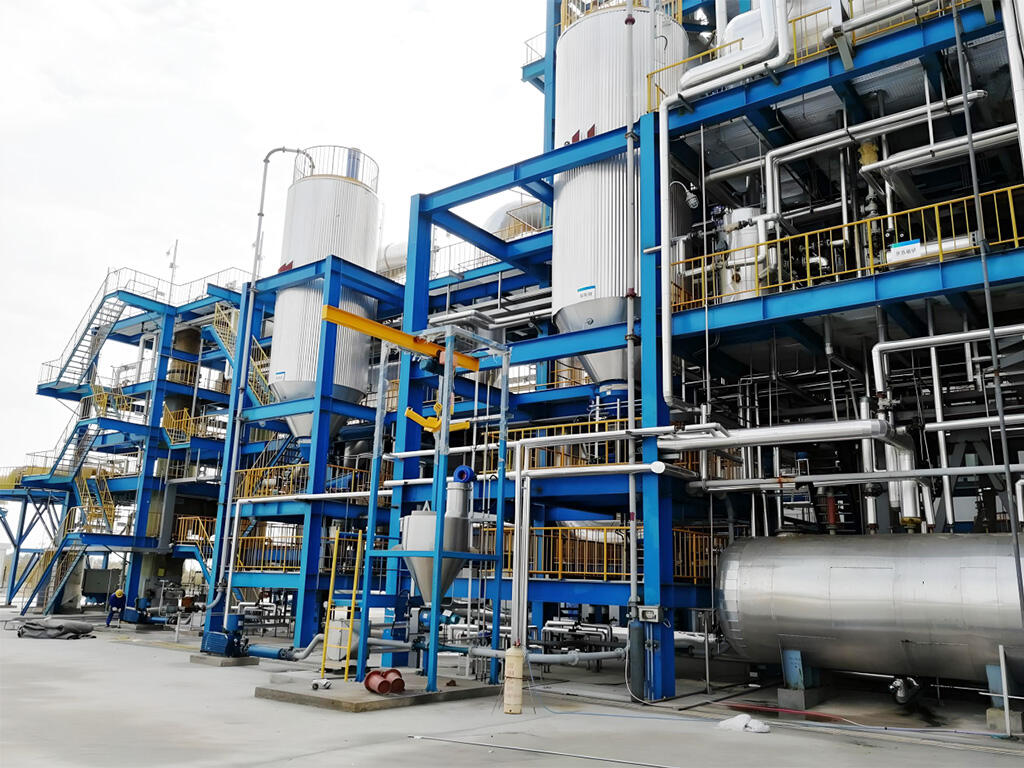
The practical application of a 220V Gas Solenoid Valve spans countless industries. In a commercial bakery oven, a series of Gas Solenoid Valves may control individual burner zones, allowing for precise temperature profiling. In an industrial heat treatment furnace, a high-temperature rated 220V Gas Solenoid Valve acts as the primary safety shut-off, controlled by a multi-step safety controller. In a boiler room, a large pilot-operated Gas Solenoid Valve serves as the main gas valve, opening only after a successful pre-purge and pilot ignition sequence has been verified. The failure mode of this component is critical—it must fail in the closed position. Therefore, the reliability of every Gas Solenoid Valve is paramount. For engineers and maintenance professionals, understanding these valves' specifications and integration is key to system safety and compliance. To ensure you select the optimal valve for your application—whether it's a direct-acting 220V Gas Solenoid Valve for a small burner or a pilot-operated model for a high-capacity system—we encourage you to contact Stiefel Combustion with your technical requirements. Our team can provide detailed product information and a competitive quotation based on your specific needs for pressure, flow, gas type, and required certifications.
 EN
EN