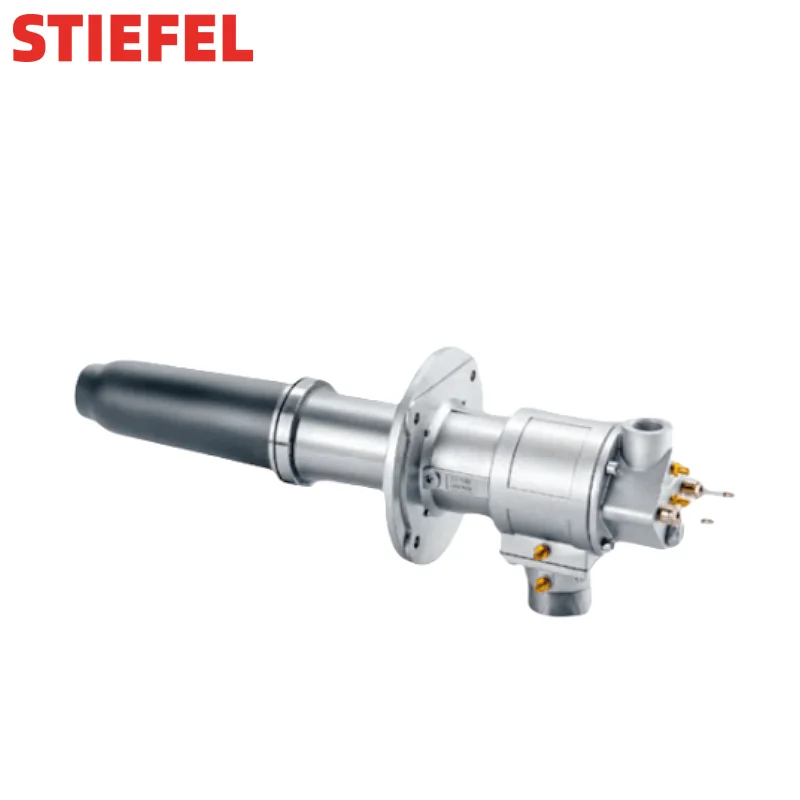
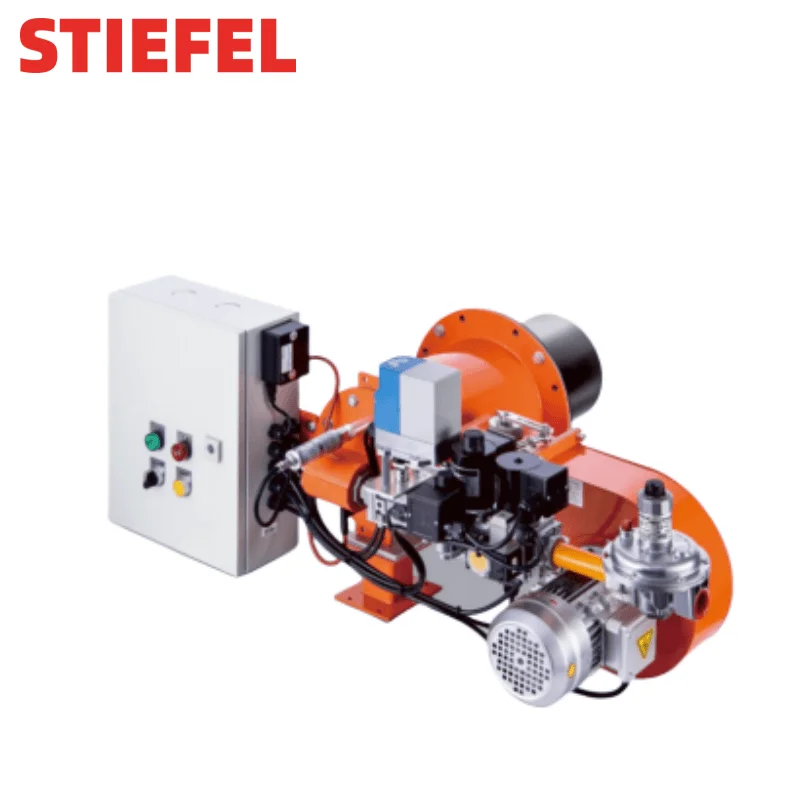
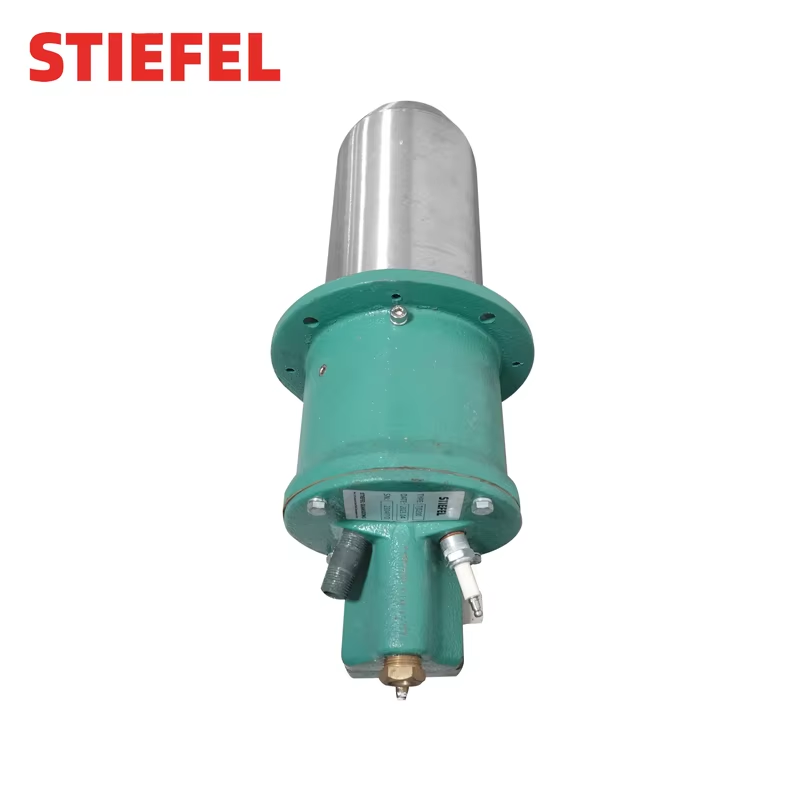
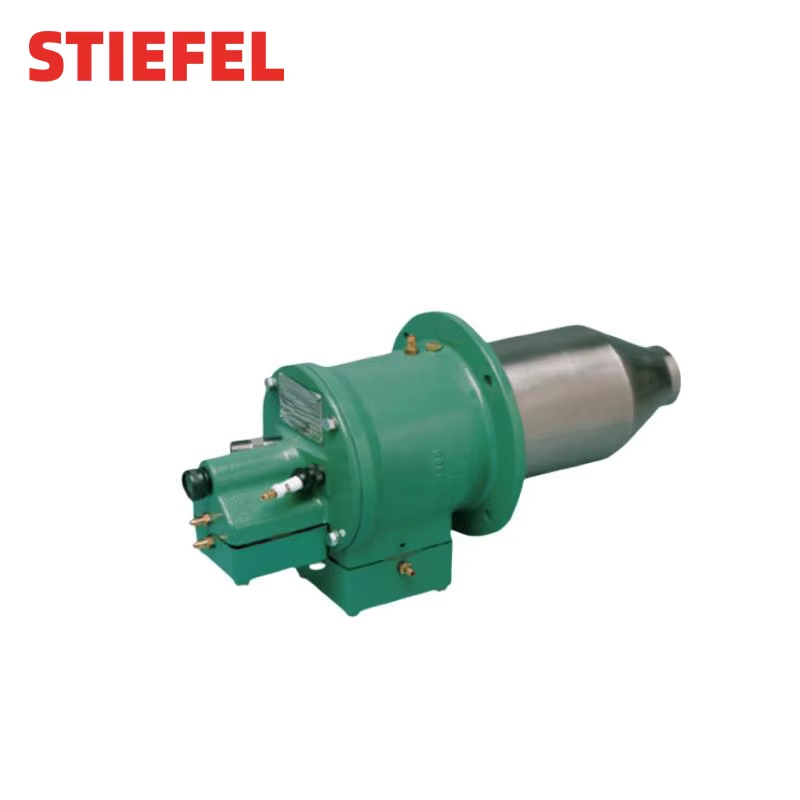
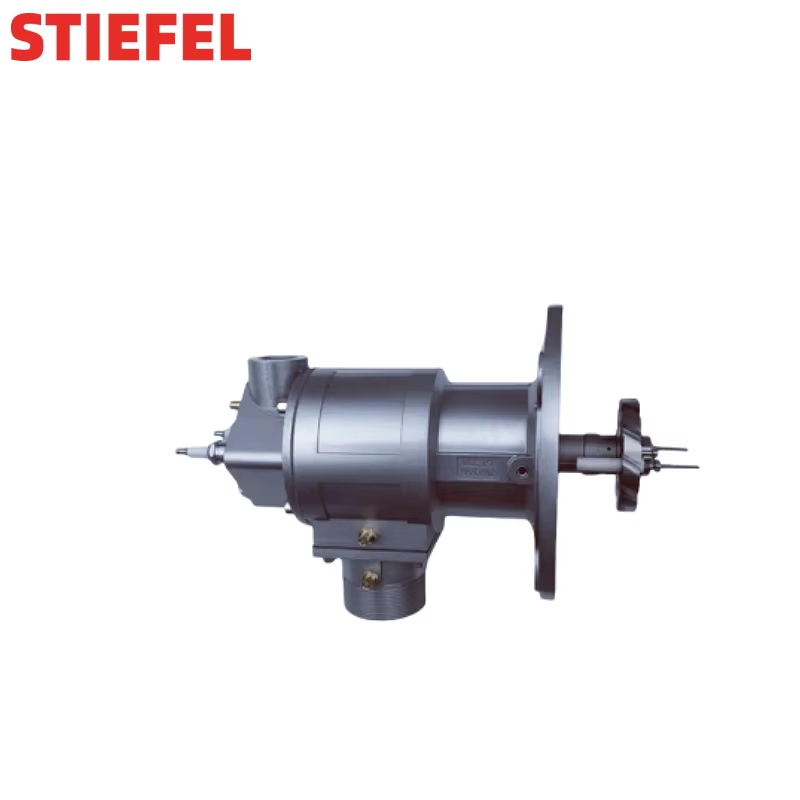
In the world of industrial combustion, the burner is often viewed as the heart of the system. But like a heart transplant, its success depends entirely on the skill and precision of the installation. At Stiefel, our years of experience supplying combustion equipment have taught us that a perfect Burner Installation is the single most important factor determining the new unit's efficiency, reliability, and safety over its entire lifecycle. A burner is not a simple plug-and-play appliance; it is a sophisticated piece of engineering that must be meticulously integrated with the boiler or furnace, the fuel supply, the air ducting, and the control system. Any misstep in this process can lead to a cascade of problems, from poor combustion and high fuel bills to dangerous safety hazards and premature equipment failure.
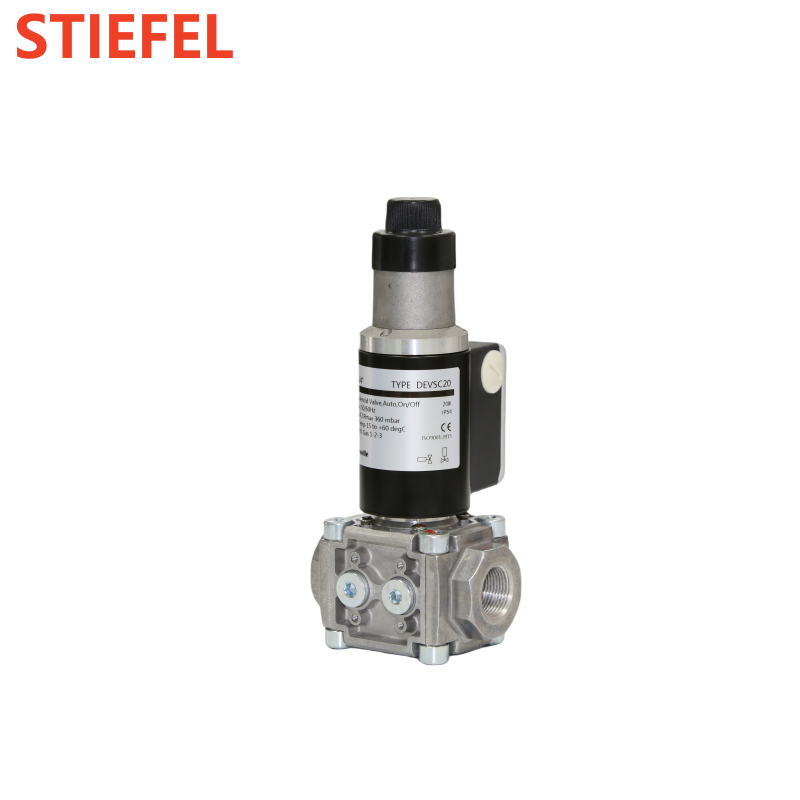
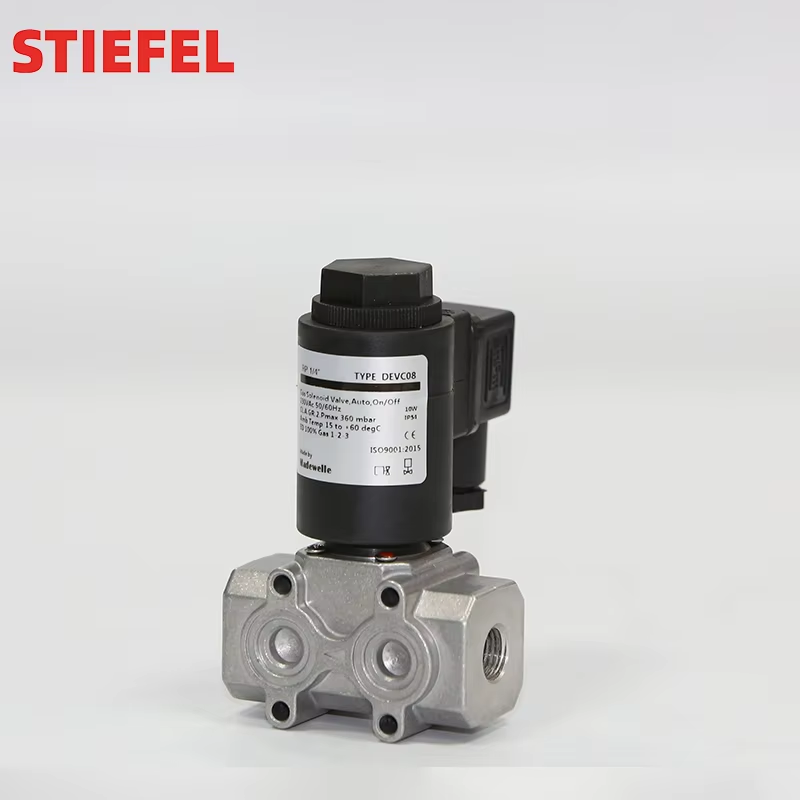
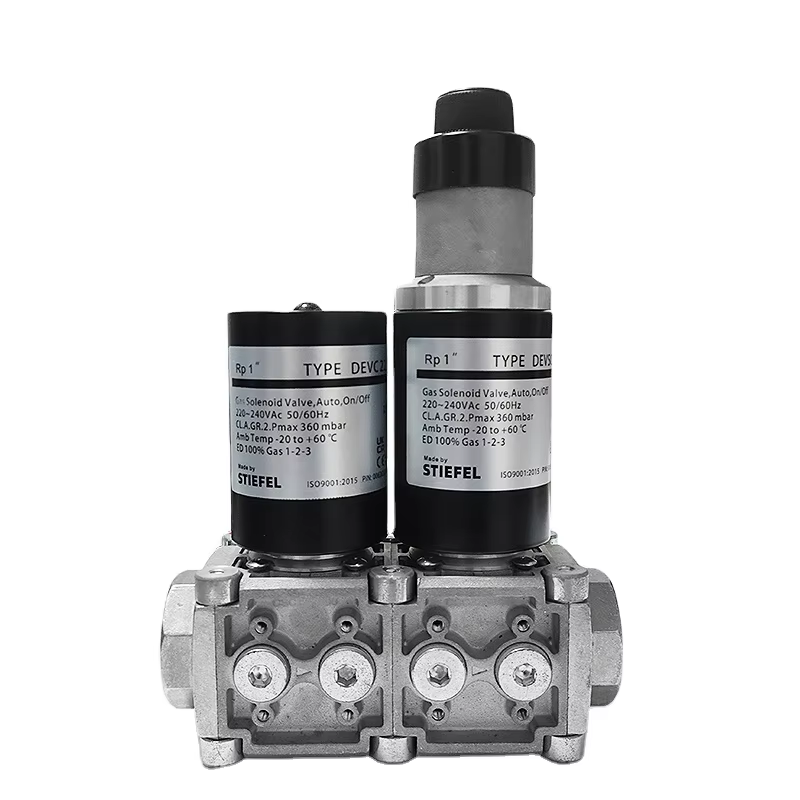
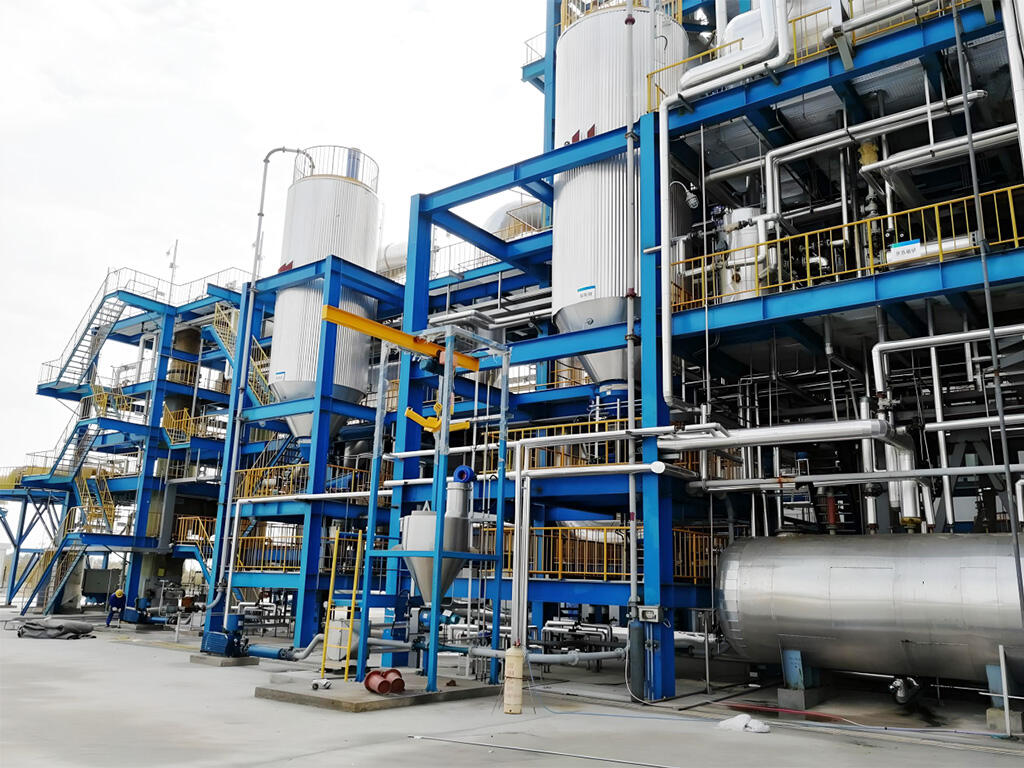
Consider the complex sequence of events during a typical Burner Installation for a large industrial water tube boiler. The process begins long before the burner is physically mounted. It starts with a careful evaluation of the furnace dimensions and back pressure to ensure the new burner's flame profile and combustion air requirements are correctly matched. Our team uses this data to specify the correct burner head, diffuser, and firing rate. During the installation phase, the critical work involves correctly piping the gas train, which includes our high-quality solenoid valves, regulators, and butterfly valves. Each component must be installed in the correct orientation and sequence, with proper gaskets and support, to prevent leaks and ensure dependable operation. Simultaneously, the electrical installation must be carried out to precise specifications, connecting the ignition transformer, flame scanner, and actuator to the burner controller in a failsafe manner. A single loose connection or incorrectly wired safety interlock can render the entire system unsafe or inoperable.
The value of a professionally executed Burner Installation becomes immediately apparent during commissioning. When the system is first started, the combustion technician can make final adjustments to the air-fuel ratio, confident that the mechanical and electrical foundations are sound. This allows for the burner to be tuned to its peak efficiency, achieving the lowest possible emissions and fuel consumption from the very first day. In a recent project for a food processing plant, we provided not only the new multi-fuel burner but also on-site installation supervision. The client's own contractors performed the physical mounting and pipework, guided by our detailed instructions and oversight. This collaborative Burner Installation approach ensured that when our commissioning engineer arrived, the system was ready, and the final tuning was completed in hours, not days. The plant now enjoys a stable, efficient operation with a 6% reduction in gas usage compared to their old, poorly installed unit.
Ultimately, a successful Burner Installation is an investment that pays dividends in safety, efficiency, and peace of mind. It transforms a collection of high-quality components into a reliable, high-performance system. For expert guidance on your next Burner Installation project, from component selection to technical support during commissioning, we encourage you to contact our engineering team. We are ready to help you ensure your new burner delivers on its full potential from the moment it fires.
 EN
EN