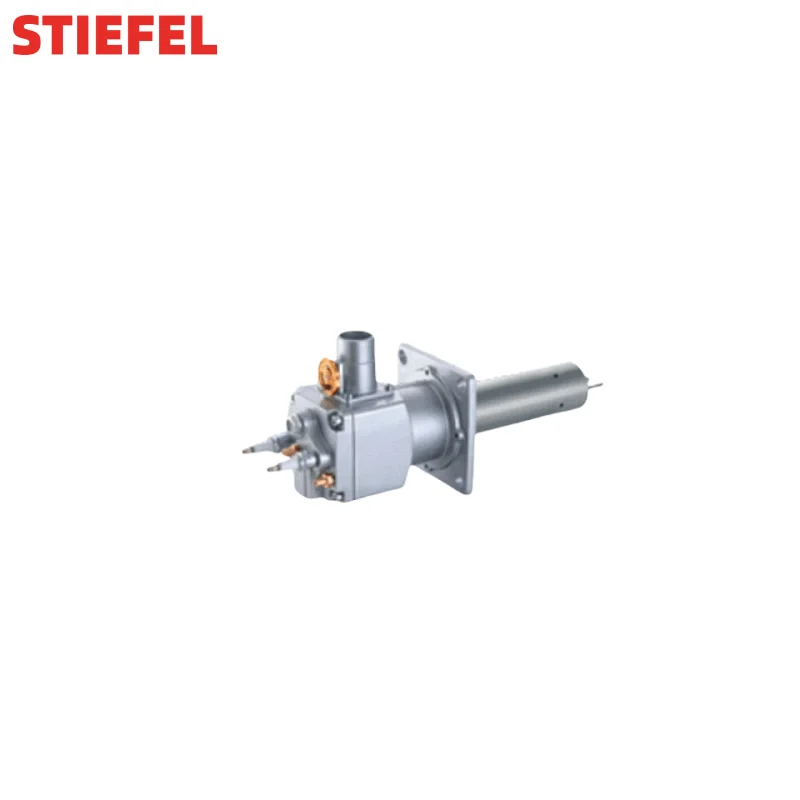
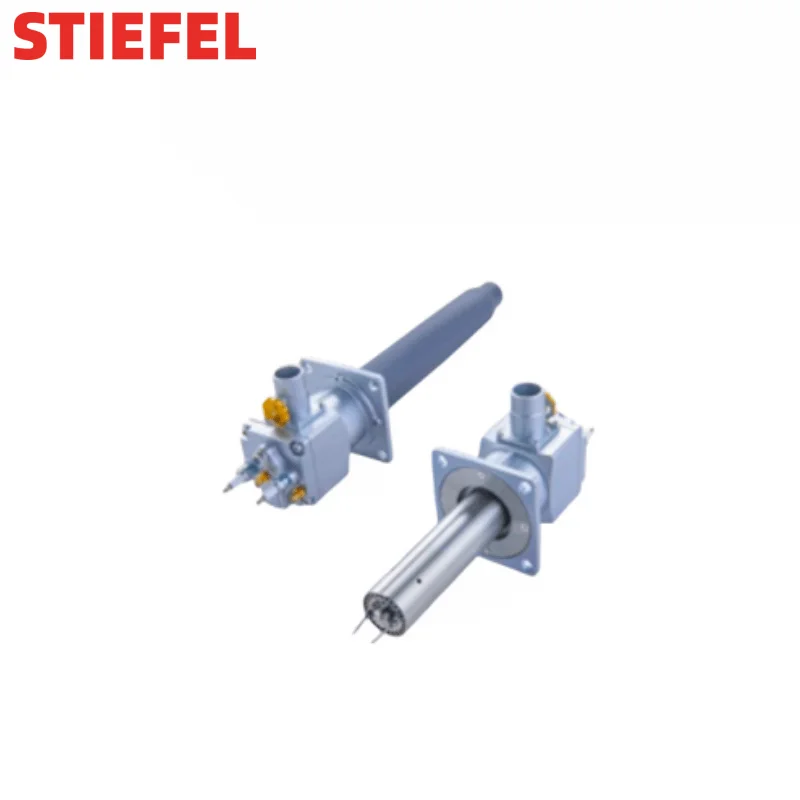
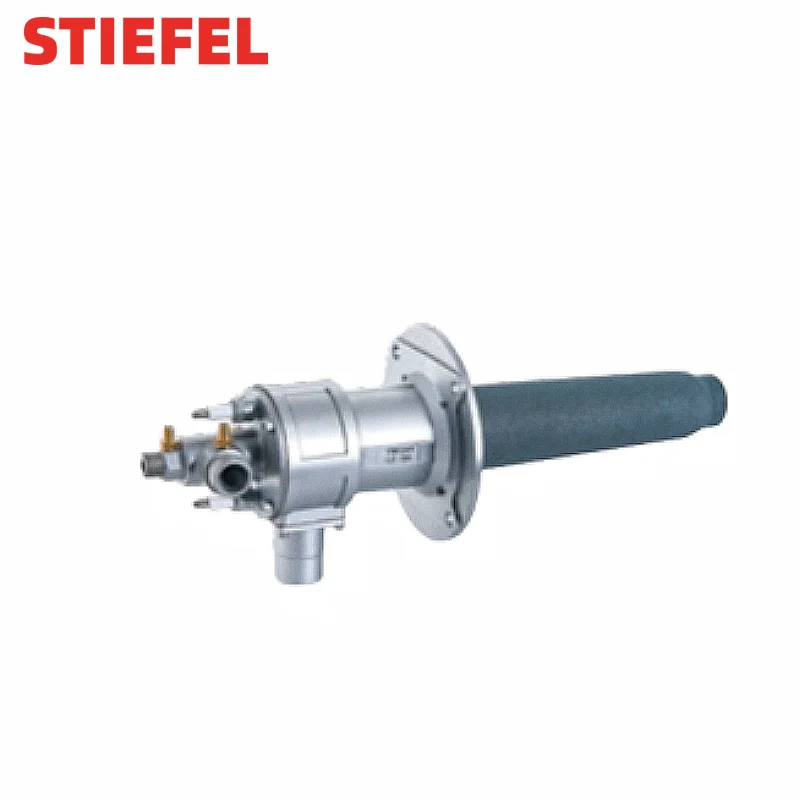
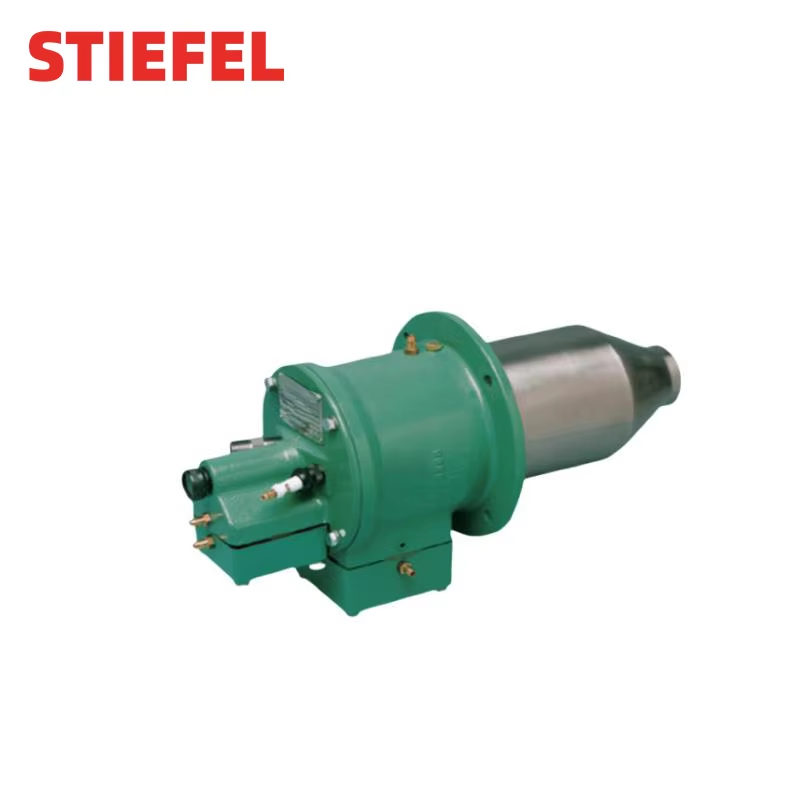
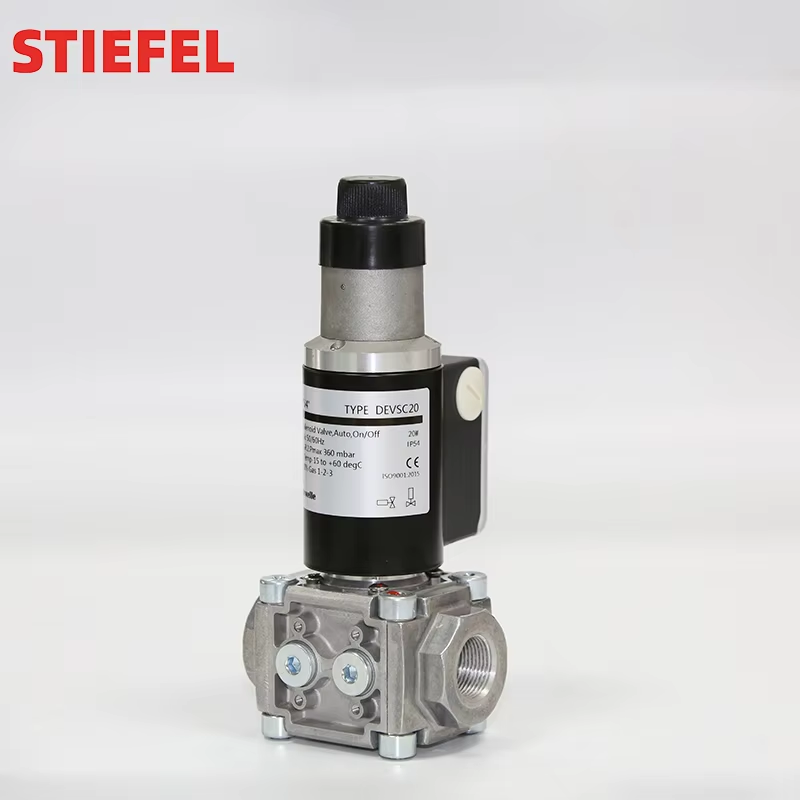
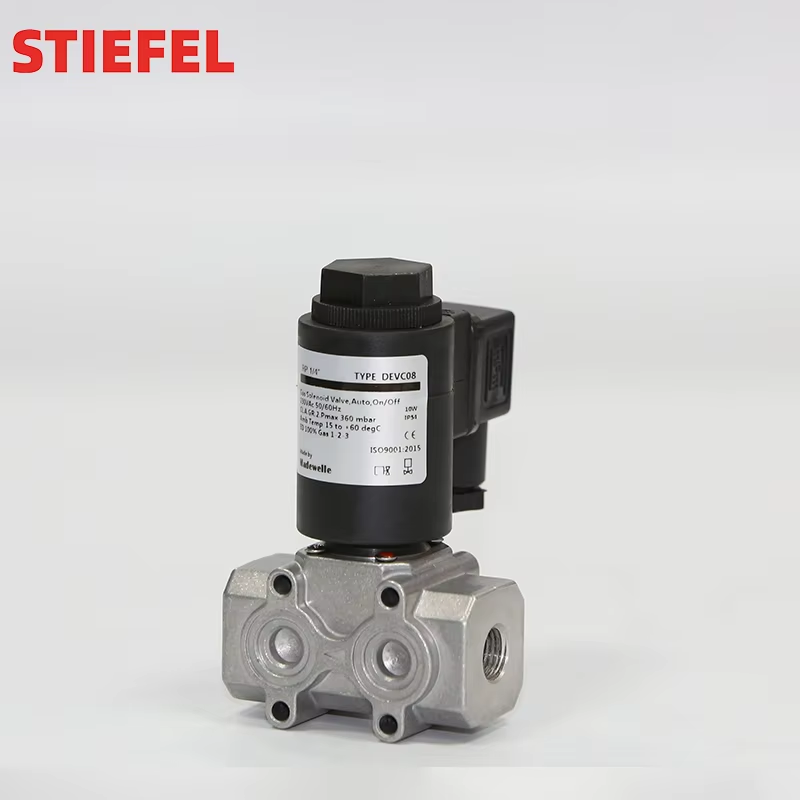
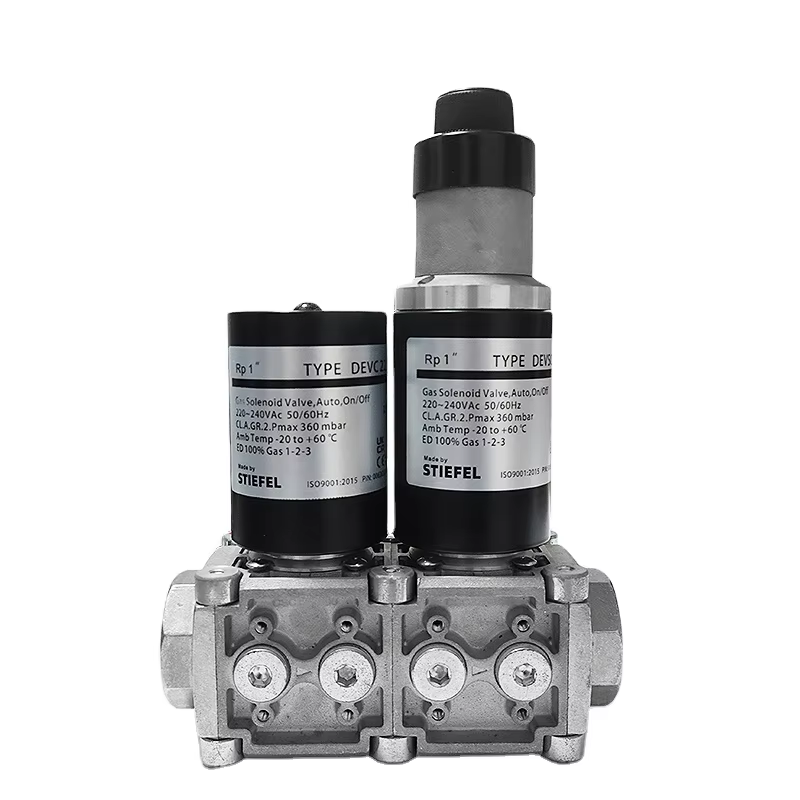
The management of used lubricating oils, hydraulic fluids, and other non-aqueous industrial fluids presents a persistent operational challenge and cost center for countless businesses. Disposal is expensive and carries regulatory responsibilities. The implementation of a dedicated waste oil burner system offers a compelling alternative, converting this liability into a valuable asset: free heat. A modern waste oil burner is a sophisticated appliance engineered to safely, cleanly, and efficiently combust these used oils to provide space heating for workshops and hangars, process heat for manufacturing, or hot water for facility use. The core appeal of a waste oil burner is its powerful economic logic, but its successful operation hinges on understanding its technical principles and proper application.
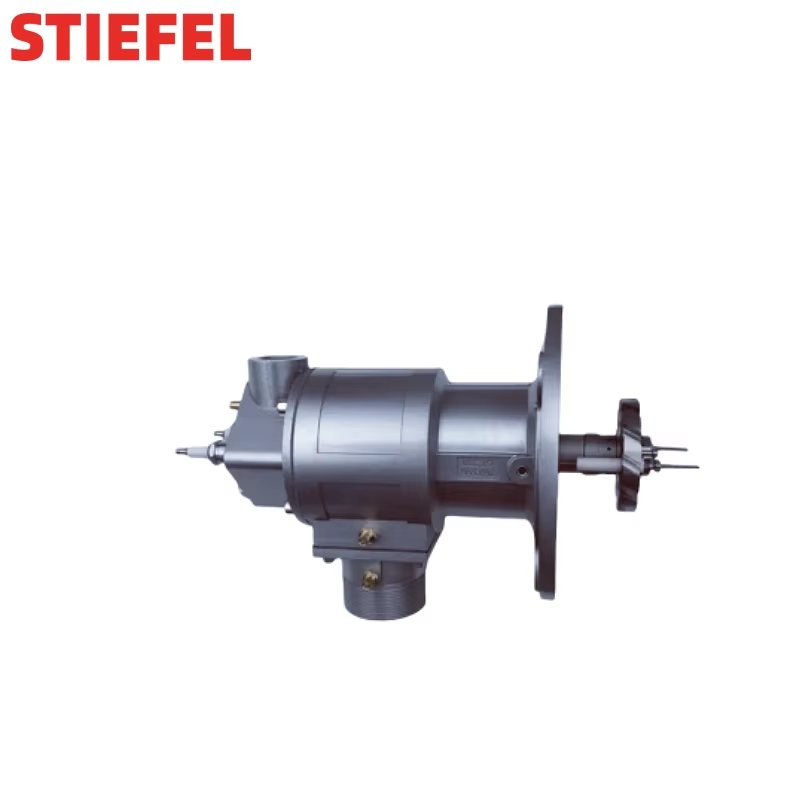
A waste oil burner system is fundamentally different from a standard oil burner. Waste oils are highly variable in viscosity, contain combustion-inhibiting additives, and hold particulate contaminants like metal shavings and carbon. Therefore, a robust waste oil burner must incorporate several critical subsystems. First, a multi-stage filtration and pre-heating system is essential. Fuel is drawn from the storage tank through a series of progressively finer filters to remove solids. It is then passed through a heat exchanger to significantly lower its viscosity before reaching the pump and nozzle. This pre-heating, often to temperatures between 150°F and 180°F (65°C-82°C), is crucial for achieving proper atomization in the waste oil burner. Without it, the fuel cannot be broken into a fine enough mist for complete combustion, leading to smoke, soot, and poor efficiency.
The combustion process itself in a high-quality waste oil burner is designed to achieve extremely high flame temperatures. This is necessary to fully pyrolyze and oxidize the complex hydrocarbons and any residual contaminants, minimizing unburned carbon (soot) and particulate emissions. The burner head and combustion chamber are engineered to promote intense, turbulent mixing of the atomized oil and combustion air. Many superior waste oil burner units employ a dual-fuel strategy, using a small reservoir of clean diesel or kerosene solely for the ignition and shutdown sequences. This ensures reliable light-off and a clean burn-off of the waste oil line at shutdown, preventing nozzle clogging.
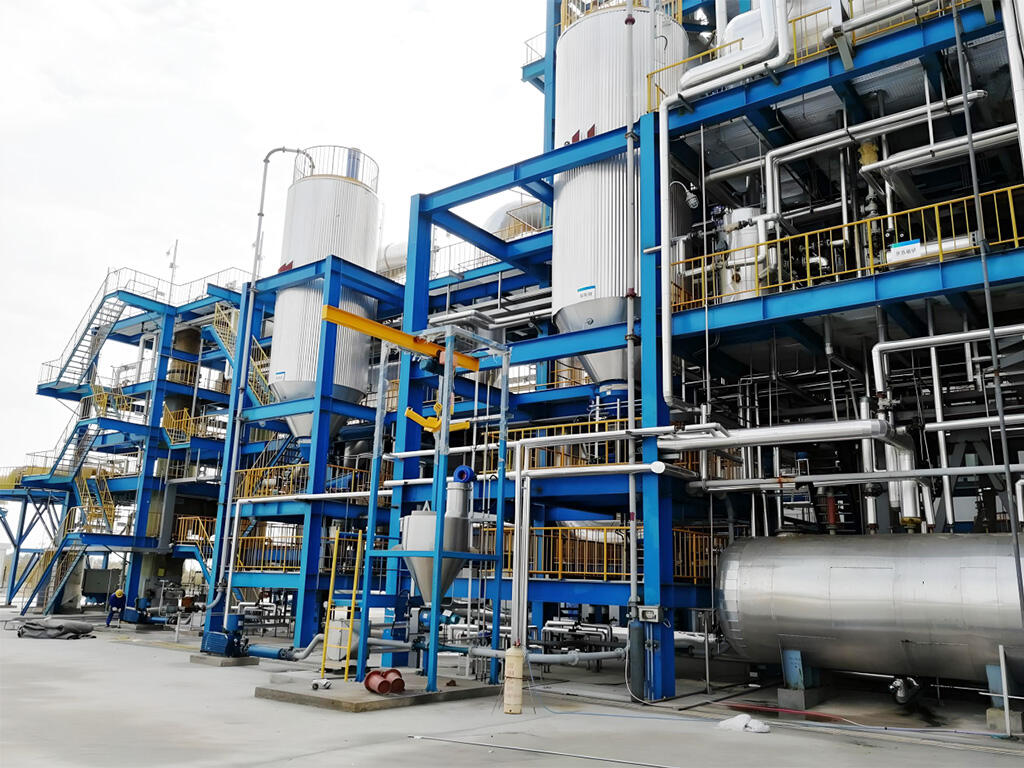
Consider the application in a large vehicle repair and maintenance fleet center. Such a facility generates hundreds of gallons of used motor and gear oils annually. By installing a waste oil burner to heat the main service bays and parts washing area, the center eliminates all off-site disposal costs. The heat produced, which was previously a purchased expense, now comes from a fuel source they already own. The key to success is proper system sizing, professional installation of the waste oil burner and exhaust flue, and a commitment to simple daily maintenance like checking and replacing filter elements. In another example, a metal fabrication shop uses a waste oil burner to provide heat for a paint curing booth or to pre-heat components, effectively utilizing waste hydraulic fluid from its presses.
It is imperative to note that a waste oil burner is designed for specific, non-hazardous waste oils. It is not a general incinerator. Typical approved fuels include used engine oils, transmission fluids, hydraulic oils, and synthetic lubricants. Oils contaminated with water, antifreeze, chlorinated solvents, or paints/chemicals are generally not suitable and can damage the burner or create unsafe emissions. Compliance with local air quality regulations is also essential; modern, well-tuned waste oil burner systems are designed to meet stringent emission standards for particulate matter.
Selecting the right waste oil burner involves calculating the heat output (BTU/hr) required for your space, assessing your annual waste oil generation to ensure a steady fuel supply, and planning for proper ventilation and exhaust. The quality of components like the high-pressure pump, atomizing nozzle, and control system directly affects longevity and performance.
We invite facility managers, workshop owners, and plant engineers to contact our technical team to discuss the potential of a waste oil burner for your operation. Please provide details about your facility size, heating requirements, and the estimated volume and type of waste oil you generate. Based on this information, we can advise on system viability and suitable models. For specific pricing and detailed specifications for our waste oil burner solutions, please reach out to us directly with your inquiry.
 EN
EN