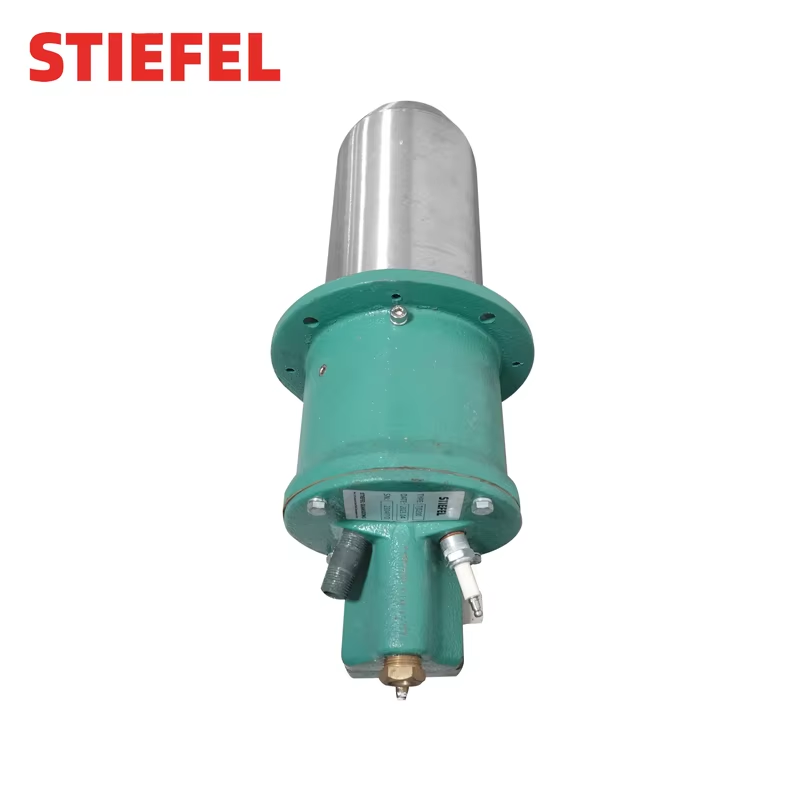
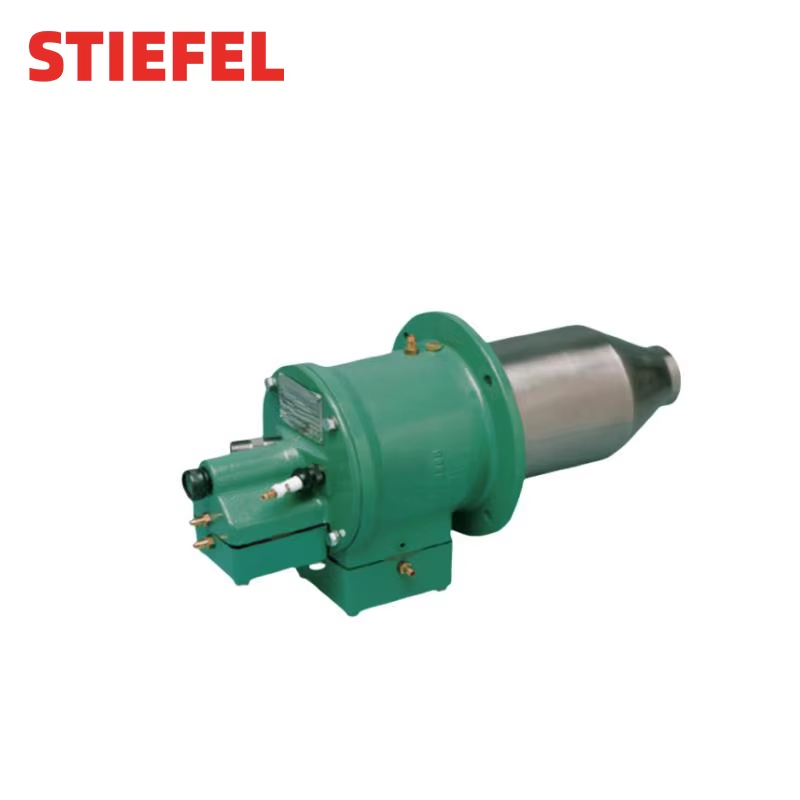
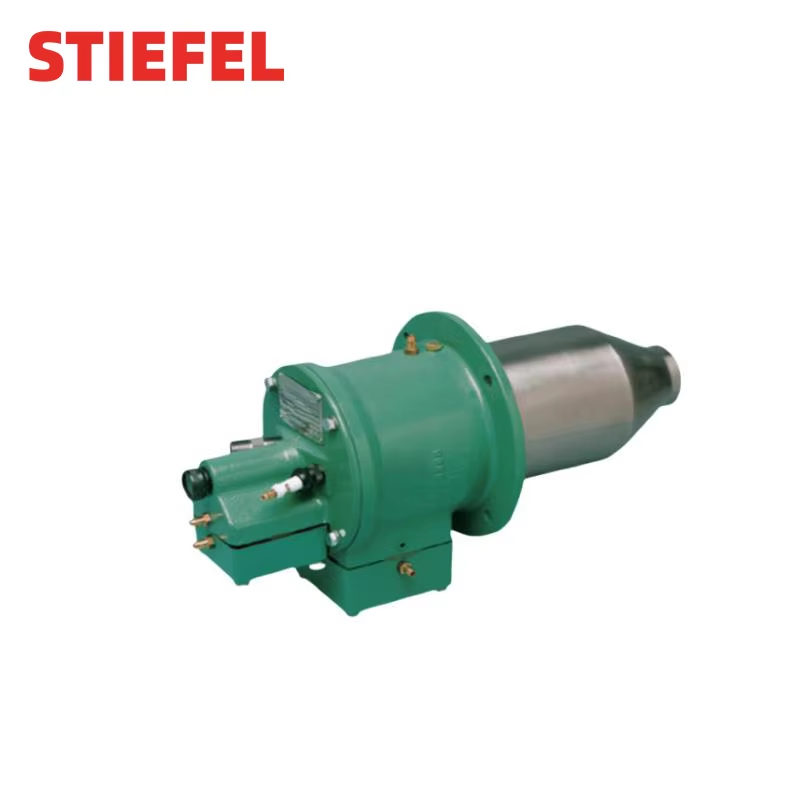
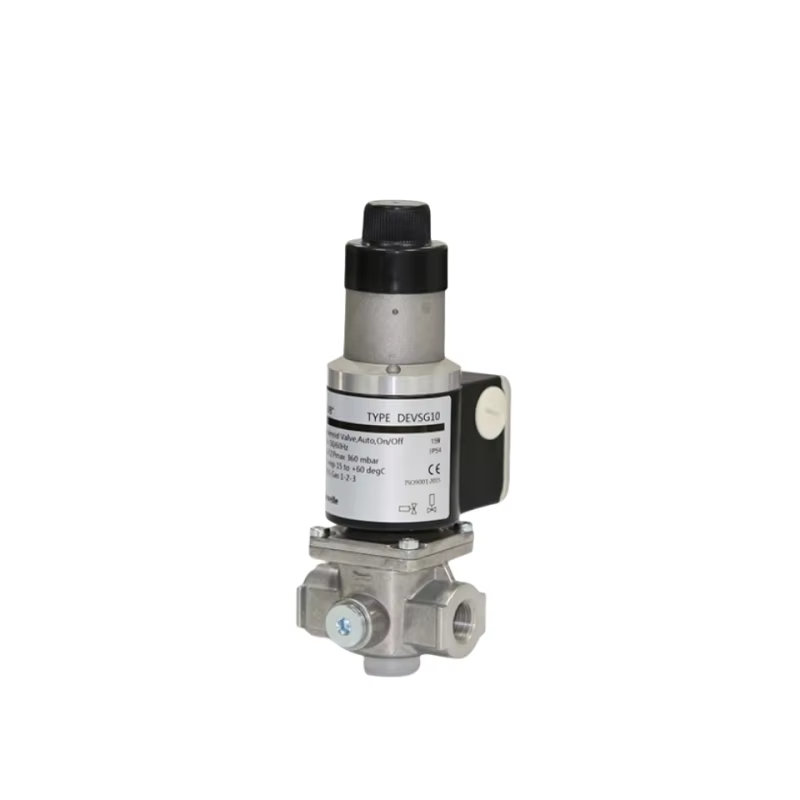
High-Efficiency Gas Burner Heat Exchanger | Industrial & Boiler Applications | Stiefel

+86 13928884373

Video Contact Us

All Categories

Optimize Thermal Efficiency with High-Performance Gas Burner Heat Exchangers

At Stiefel, we understand that the Gas Burner Heat Exchanger is the critical core where energy is transferred and efficiency is determined in any combustion system. Our expertise focuses on the integration and performance of these essential components within industrial boilers, furnaces, and heating apparatuses. A well-designed Gas Burner Heat Exchanger maximizes the transfer of thermal energy from hot combustion gases to a process fluid or air, directly impacting fuel economy and operational costs. We emphasize designs and materials that promote durability under high thermal stress, helping to ensure system safety by maintaining a strict separation between combustion gases and the heated medium. Whether for system integration, OEM manufacturing, or replacement, our focus is on providing Gas Burner Heat Exchanger solutions that deliver reliable performance, reduce energy waste, and contribute to the overall longevity and safety of your thermal process.
Get A Quote

Advantages of the product

Engineered for Maximum Thermal Transfer & Fuel Efficiency

The primary role of a Gas Burner Heat Exchanger is to extract the maximum usable heat from combustion gases. Our approach centers on designs that optimize surface area and flue gas contact time, facilitating superior heat capture. This directly translates to lower exhaust gas temperatures and higher system efficiency. By ensuring your Gas Burner Heat Exchanger operates at its peak, we help you minimize fuel consumption and reduce operational expenses, ensuring you get the most energy from every unit of fuel burned in your gas burner system.

Built for Durability & Simplified Maintenance in Demanding Environments

Industrial environments demand robustness. Our Gas Burner Heat Exchanger components are constructed with materials suited to withstand continuous thermal cycling and exposure to combustion by-products. Furthermore, we advocate for designs that facilitate access for essential maintenance. Regular inspection and cleaning of the Gas Burner Heat Exchanger are vital to prevent efficiency-robbing soot buildup or corrosion, which can lead to costly downtime or unsafe conditions. Our solutions are developed with long-term reliability and serviceability in mind.

Related products

The Gas Burner Heat Exchanger represents the fundamental engineering interface where chemical energy from fuel is converted into usable thermal energy within industrial heating systems. In applications ranging from large-scale steam boilers and process furnaces to air-heating units, the efficiency and safety of the entire system are dictated by the performance of this single, crucial component. Its function is deceptively simple: to transfer heat from the high-temperature gases produced by a gas burner to a secondary medium—typically water, steam, thermal oil, or air—without allowing the streams to mix. However, the engineering challenges involved in maximizing this heat transfer while ensuring longevity, safety, and cost-effectiveness are complex and multifaceted.

At the heart of a Gas Burner Heat Exchanger lies the principle of conductive and convective heat transfer through a solid boundary. Combustion gases, often reaching temperatures from 450°C to over 1000°C, are directed across one side of the exchanger's metal surfaces. Meanwhile, the fluid or air to be heated flows along the other side. The temperature differential drives heat energy through the metal, raising the temperature of the process medium while cooling the exhaust flue gases. The efficiency of a Gas Burner Heat Exchanger is measured by how completely it extracts this heat; a more efficient unit will expel cooler exhaust, meaning less wasted energy and money escaping up the stack.

The design configuration of a Gas Burner Heat Exchanger varies significantly by application. Common types include fire-tube designs, where hot gases pass through tubes surrounded by water (typical in many boilers), and water-tube designs, where water flows inside tubes exposed to the combustion chamber. For air heating, compact, finned-tube heat exchangers or specialized lamellar structures are used to maximize the surface area for air contact. Advanced systems may incorporate condensing technology or secondary air-preheat exchangers to reclaim additional latent or waste heat from exhaust gases, pushing system efficiency to over 90%. The choice of material is equally critical, often requiring high-temperature steels or alloys that can resist oxidation, thermal fatigue, and corrosion over thousands of operating hours.

Gas Burner Heat Exchanger also plays an indispensable role in system safety. It acts as a physical barrier, ensuring that potentially harmful combustion products, including carbon monoxide, are completely isolated from the process air or water stream. A failure in this barrier, such as a crack or pinhole leak caused by thermal stress or corrosion, can have serious safety implications. This underscores the necessity for robust construction, proper gas burner maintenance to prevent sooting and localized overheating, and regular inspection as part of a comprehensive safety protocol.

Consider the operation of an industrial packaged boiler. The gas burner fires into a combustion chamber that is essentially the first pass of the Gas Burner Heat Exchanger. Hot gases then travel through multiple tube passes, transferring heat to the surrounding water before being vented. The cleanliness of the water-side (preventing scale) and the fire-side (preventing soot) are both critical to maintaining heat transfer rates. In a large air make-up unit or space heater, the Gas Burner Heat Exchanger might consist of a serpentine tube array with aluminum fins. A blower forces clean air over these fins, which are heated internally by exhaust gases from a gas burner sealed inside the assembly.

Maintenance of the Gas Burner Heat Exchanger is not an option but a requirement for safe, efficient operation. Annual inspection is widely recommended. On the fire-side, technicians must look for and remove accumulations of soot, which acts as a powerful insulator. Even a thin layer can significantly reduce efficiency. The heat exchanger surfaces should also be inspected for signs of corrosion, scaling, or—critically—any hairline cracks. Water-side maintenance in boiler applications involves controlling water chemistry to prevent scaling and corrosion. Proper maintenance ensures the Gas Burner Heat Exchanger operates as designed, safeguarding both the equipment investment and personnel safety.

We invite facility managers, project engineers, and maintenance professionals to contact our technical sales team to discuss your specific Gas Burner Heat Exchanger requirements. Please provide details about your application (e.g., boiler, furnace, air heater), thermal duty, fuel type, and any space or integration constraints. Based on this information, we can advise on the optimal solutions. For detailed specifications and pricing for a Gas Burner Heat Exchanger tailored to your needs, please reach out to us directly with your project parameters.

Frequently Asked Questions

What are the most critical maintenance tasks for a gas burner heat exchanger?

The most critical maintenance task is a regular, thorough visual inspection and cleaning. Annually, a qualified technician should shut down the system, allow it to cool, and access the heat exchanger. They must inspect for any signs of cracking, corrosion, or soot buildup on the fire-side surfaces. Soot acts as an insulator and must be carefully removed using appropriate brushes, degreasers, or air pressure to restore efficient heat transfer. Ensuring all connections are tight and the unit is free from external debris is also vital for safe operation.
A key indicator of Gas Burner Heat Exchanger efficiency is the temperature of the exhaust flue gases. Excessively high stack temperatures often signal that heat is not being effectively transferred, meaning it's being wasted. Other signs include increased fuel consumption for the same heat output, longer system run times to meet set points, or visible sooting around the burner or inspection ports. A professional combustion analysis can provide precise measurements of oxygen and carbon monoxide levels, which are direct indicators of combustion completeness and heat exchanger effectiveness.

Related Articles

Induction Heater: Transform Your Heating Process​

23

Sep

Induction Heater: Transform Your Heating Process​

Induction heating technology is changing the way industries use heating processes. It has more benifits over traditional methods of heating. At the end of this article, you will have a proper understanding of induction heaters, its benefits, its appl...
View More
Industrial Burners: Powering Your Industrial Needs​

22

Apr

Industrial Burners: Powering Your Industrial Needs​

As with every operation, some aspects of work in industry require great precision and accuracy. In manufacturing, food processing, and even in chemical industries, burners are crucial in satisfying energy needs. This article explores the significance...
View More
Oil Burners: Efficient Heating Solutions​

22

Apr

Oil Burners: Efficient Heating Solutions​

Businesses and houses nowadays have a requirement for some form of heating. Oil burners are one of the most trusted and used methods for heating during the colder months. This article further explains oil burners aspects, understanding their advantag...
View More
Revolutionize Your Operations with Advanced Burners​

22

Apr

Revolutionize Your Operations with Advanced Burners​

In modern times, various business practices are emerging. The new focal point is efficiency. Firms constantly seek different approaches in the dual goals of improving productivity and lowering costs. The implementation of advanced burners that ...
View More

customer evaluation

Stiefel

"After years of service, our plant's boiler was losing efficiency and fuel costs were creeping up. Stiefel's team diagnosed a heavily sooted and slightly scaled Gas Burner Heat Exchanger. They performed a professional cleaning and recommended a water treatment program. The difference was remarkable—stack temperatures dropped significantly, and we returned to our original fuel consumption benchmarks. Their knowledge of how the Gas Burner Heat Exchanger impacts overall system performance saved us substantial ongoing costs."

Dylan

"We upgraded a thermal fluid heater system and needed a durable, efficient Gas Burner Heat Exchanger. Stiefel provided a unit that matched our precise thermal and pressure requirements. The installation was straightforward, and the performance has been consistently stable for over 18 months under continuous operation. The robust construction gives us confidence in its longevity. Their technical support during the selection process was excellent."

Get a Free Quote

Our representative will contact you soon.
Email
Mobile/Whatsapp
Name
Company Name
Message
0/1000
Core of Combustion Efficiency

Core of Combustion Efficiency

The Gas Burner Heat Exchanger is where efficiency is won or lost. Our focus is on designs that maximize heat capture from your gas burner, directly lowering your fuel costs and improving sustainability.
Safety Through Robust Design

Safety Through Robust Design

We prioritize the integrity of the Gas Burner Heat Exchanger as a critical safety barrier, ensuring complete separation of combustion gases for reliable and secure system operation.
Expert Support for Your Application

Expert Support for Your Application

Selecting the right heat exchanger is key. Contact Stiefel for expert guidance in specifying a Gas Burner Heat Exchanger that meets your thermal, spatial, and durability requirements. Request a quote today.