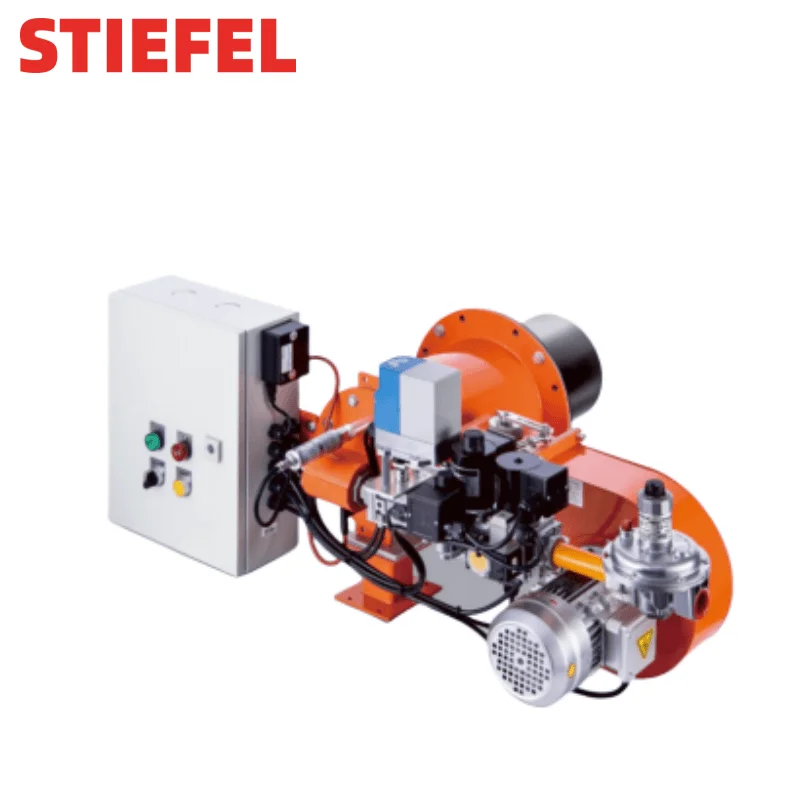
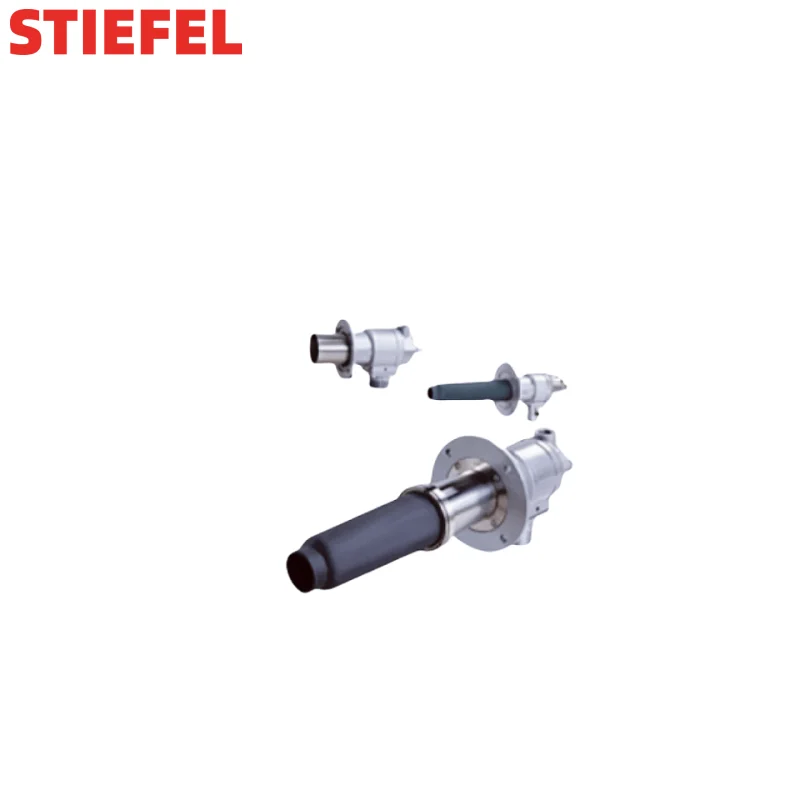
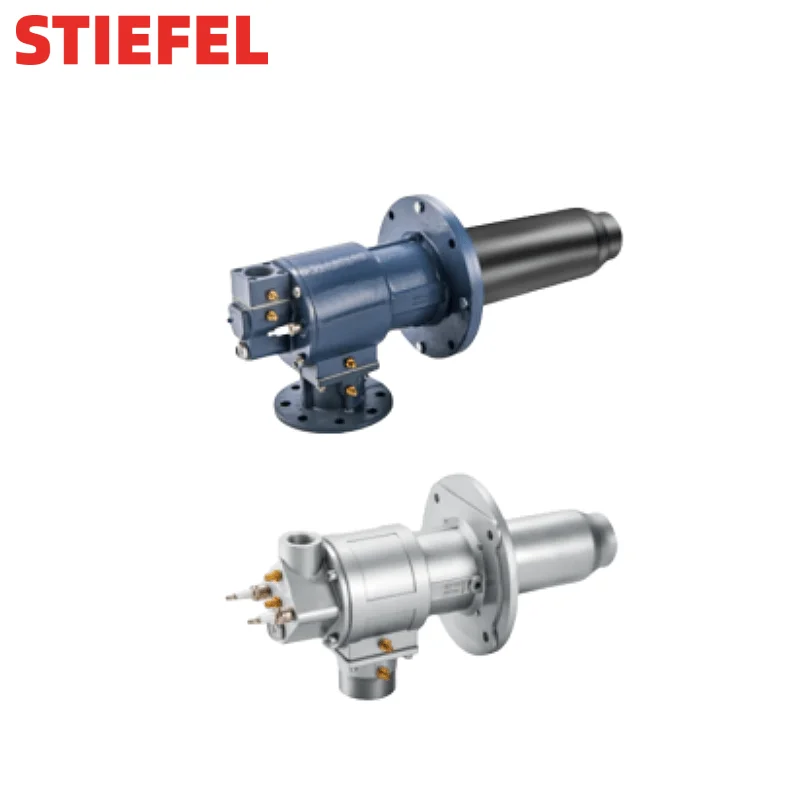
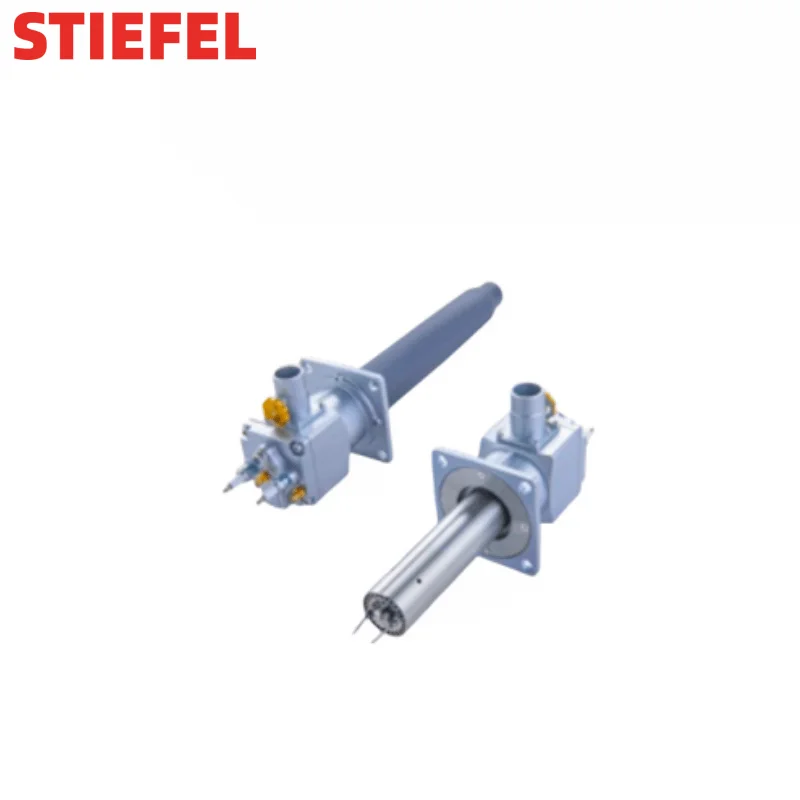
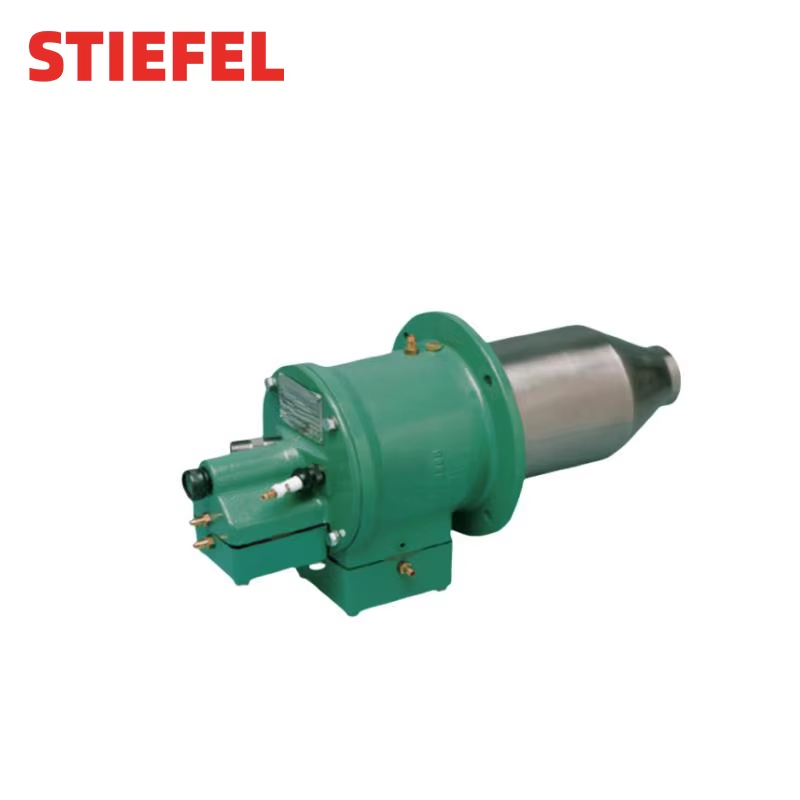
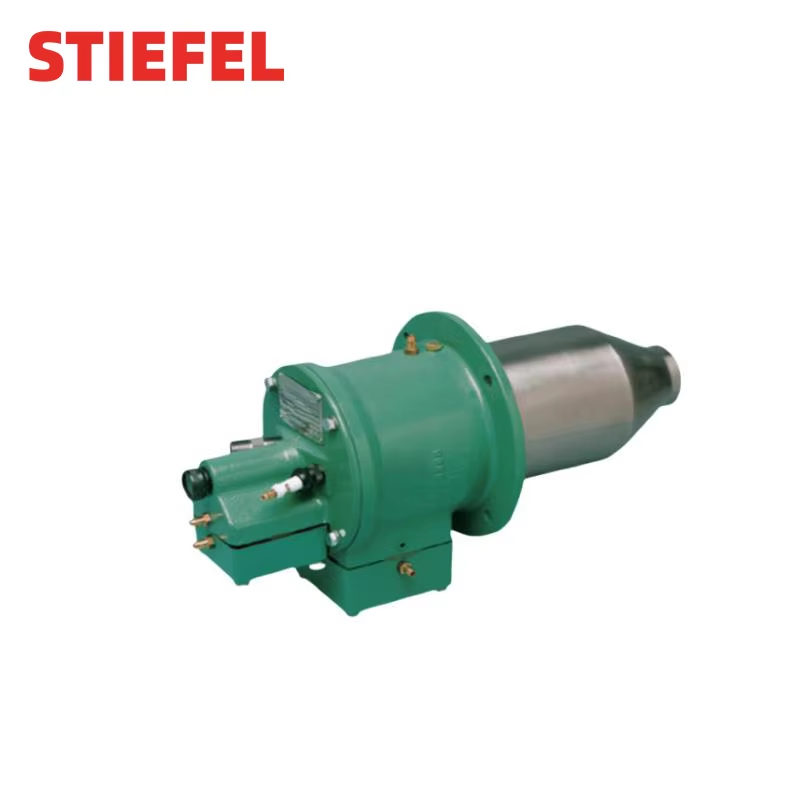
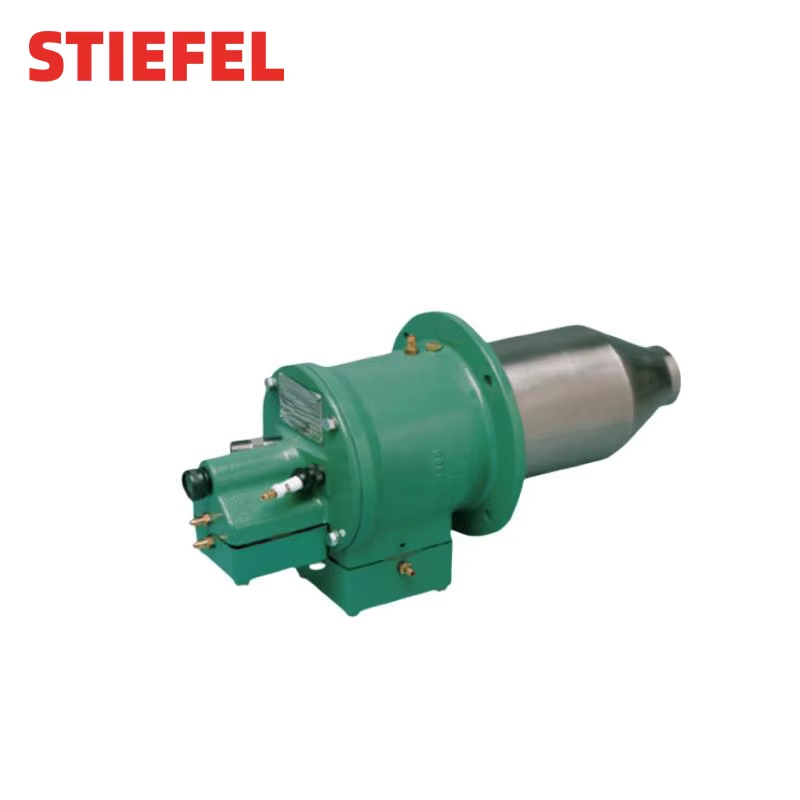
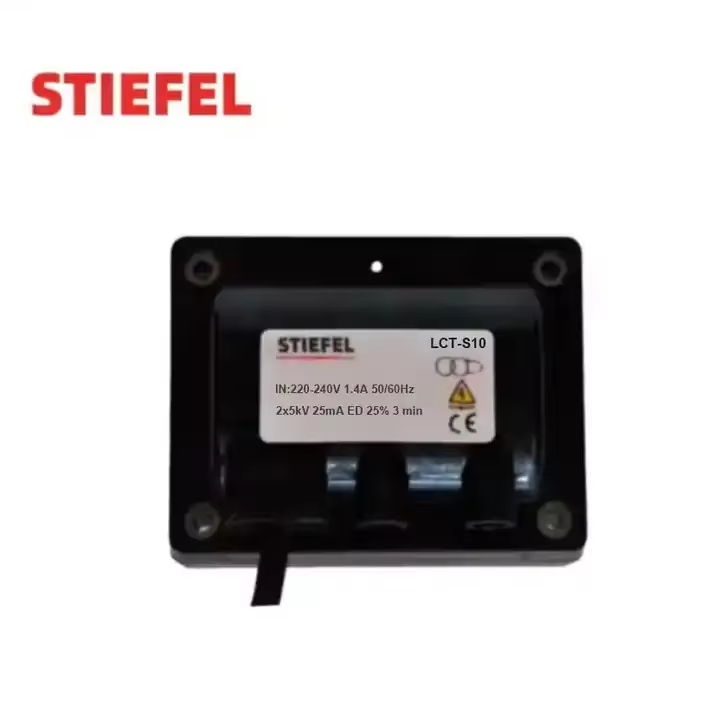
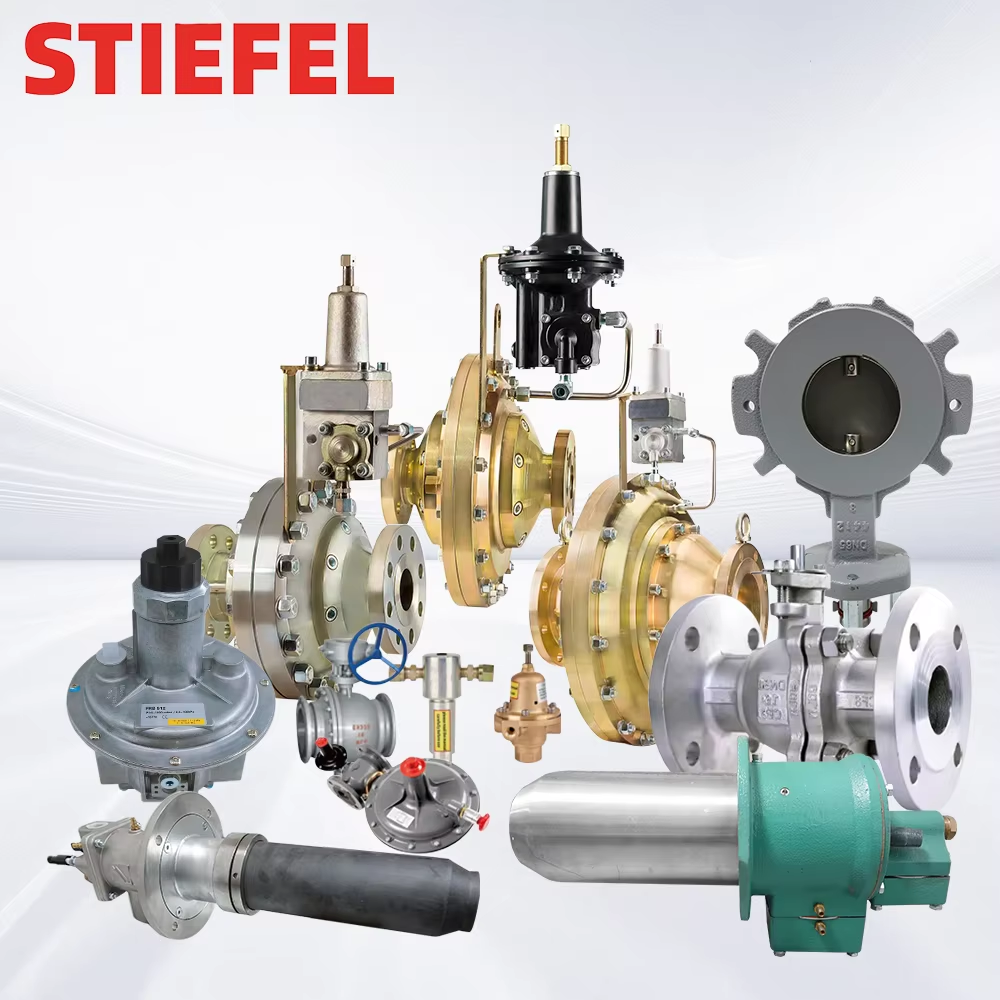
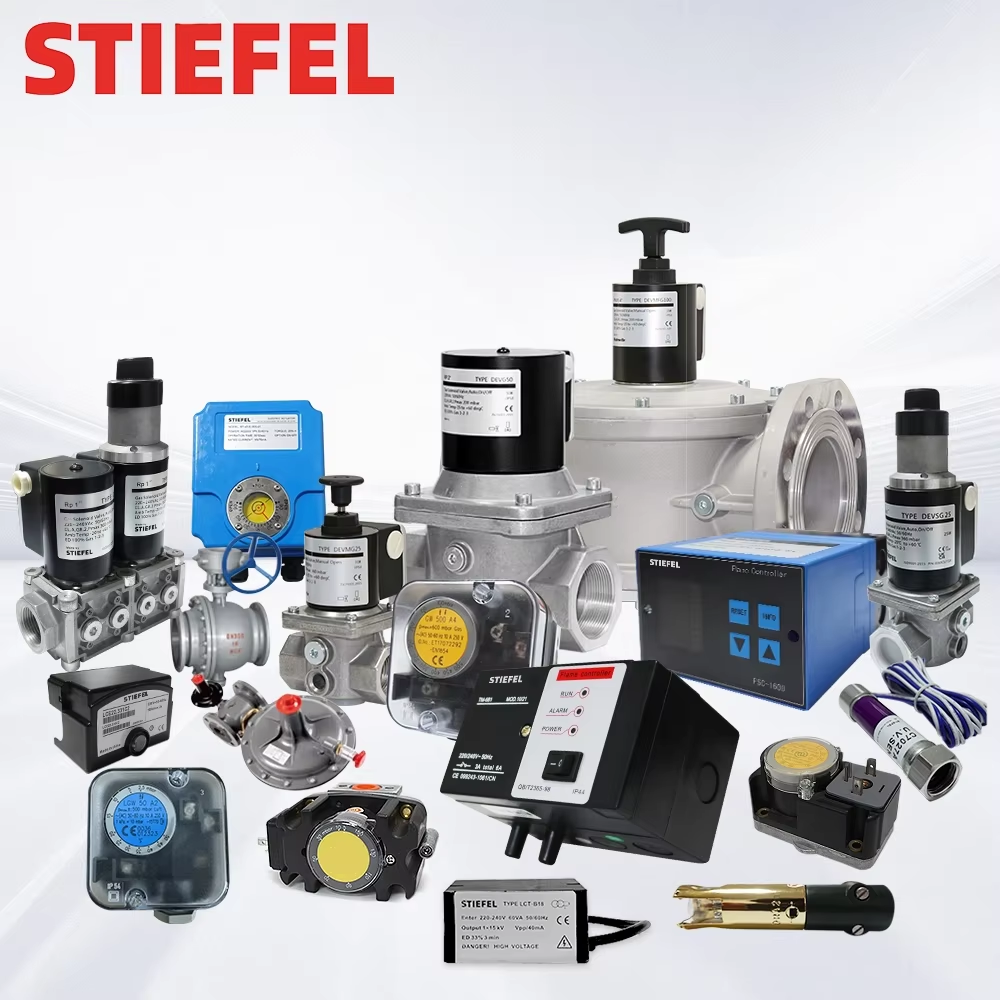
The gas burner nozzle is a deceptively simple yet profoundly critical component in any combustion system. Its primary function is the precise metering and physical preparation of fuel for ignition. For liquid fuels, this means atomization – the process of breaking down a liquid stream into a fine mist of small droplets. The gas burner nozzle achieves this by forcing fuel under pressure through a precisely engineered orifice. The quality of atomization, directly determined by the gas burner nozzle's design and condition, is paramount. A well-atomized spray from a high-quality gas burner nozzle creates a vast cumulative surface area, allowing for rapid vaporization and intimate mixing with combustion air. This results in a fast, complete burn, releasing the maximum usable energy while minimizing harmful byproducts like soot and unburned hydrocarbons. For gaseous fuels, the gas burner nozzle, often called a spud, performs a different but equally vital role. It shapes and directs the gas flow to ensure proper velocity and distribution patterns that promote stable, efficient mixing with air. Therefore, whether handling oil or gas, the gas burner nozzle is the final arbitrator of combustion quality, making the selection of the correct gas burner nozzle a direct investment in system efficiency, reliability, and environmental compliance.
Selecting the appropriate gas burner nozzle requires careful analysis of several technical parameters to match the specific burner and application. The most fundamental specification is the flow rate or capacity, expressed in gallons per hour (GPH) for liquid fuels or cubic feet per hour (CFH) for gas. This must align precisely with the burner's designed heat output (BTU/hr). An incorrectly sized gas burner nozzle will either starve the flame, leading to under-firing and poor efficiency, or over-fuel it, causing sooting, high emissions, and potential safety risks. The second critical parameter is the spray pattern and angle. Common patterns include hollow cone, solid cone, and flat spray. The gas burner nozzle's spray angle must complement the burner's air pattern to create a stable, well-defined flame that fills the combustion chamber without impinging on its walls, which can cause damage and carbon buildup. Furthermore, the fuel type and its properties dictate gas burner nozzle design. Light oil requires a different gas burner nozzle design than viscous heavy oil. For heavy oils, an air-assisted or steam-assisted gas burner nozzle is often necessary, where an auxiliary fluid helps shear the fuel into a finer mist, ensuring clean combustion. The material of construction for the gas burner nozzle, typically stainless steel or other heat-resistant alloys, is chosen for durability against wear, heat, and corrosion.
The practical impact of the gas burner nozzle is evident in everyday industrial scenarios. Consider a large industrial boiler providing steam for process heat. Over time, a gas burner nozzle can experience wear or partial clogging from contaminants in the fuel. This degradation alters the spray pattern, often leading to a lazy, smoky flame. The inefficient combustion caused by a failing gas burner nozzle wastes fuel, increases operating costs, and coats heat exchanger tubes with soot, which acts as an insulator and further reduces efficiency. A scheduled replacement with a new, correctly specified gas burner nozzle restores the ideal spray geometry, eliminates smoke, and can improve boiler efficiency by a measurable percentage. In another case, a continuous process dryer in a manufacturing plant relies on consistent, uniform heat. An inconsistent or asymmetric spray from a worn gas burner nozzle creates hot and cold spots within the dryer, leading to uneven product quality and potential rejects. Installing a precision gas burner nozzle ensures a stable and symmetrical flame, which translates directly to consistent product quality and reliable throughput. To ensure you select the perfect gas burner nozzle for your specific burner model and operational requirements, and to receive a detailed quotation, please contact our technical sales team directly. We can provide expert guidance and the exact gas burner nozzle specifications needed for optimal system performance.
 EN
EN