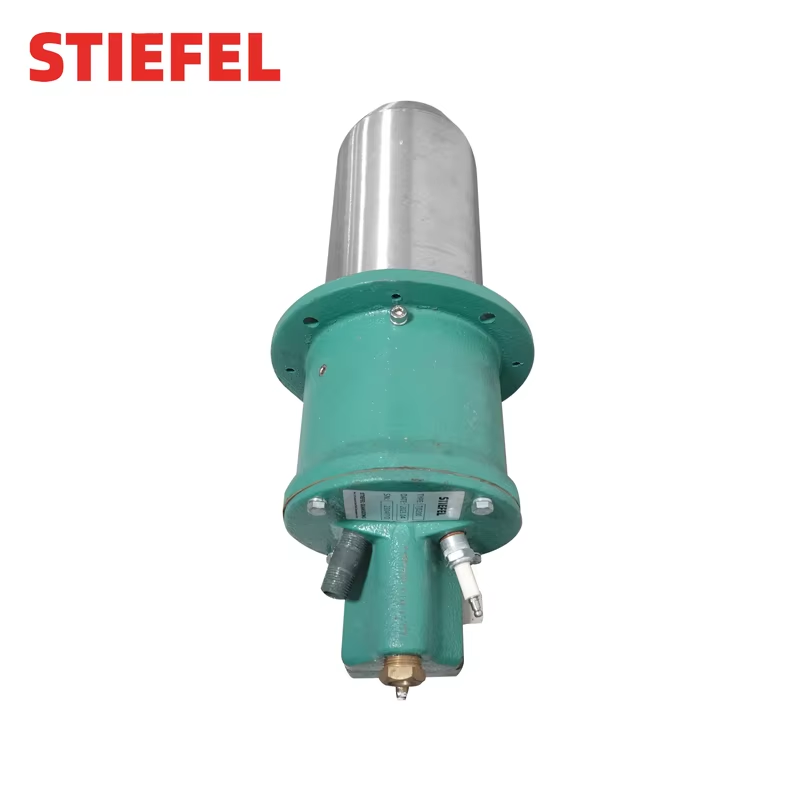
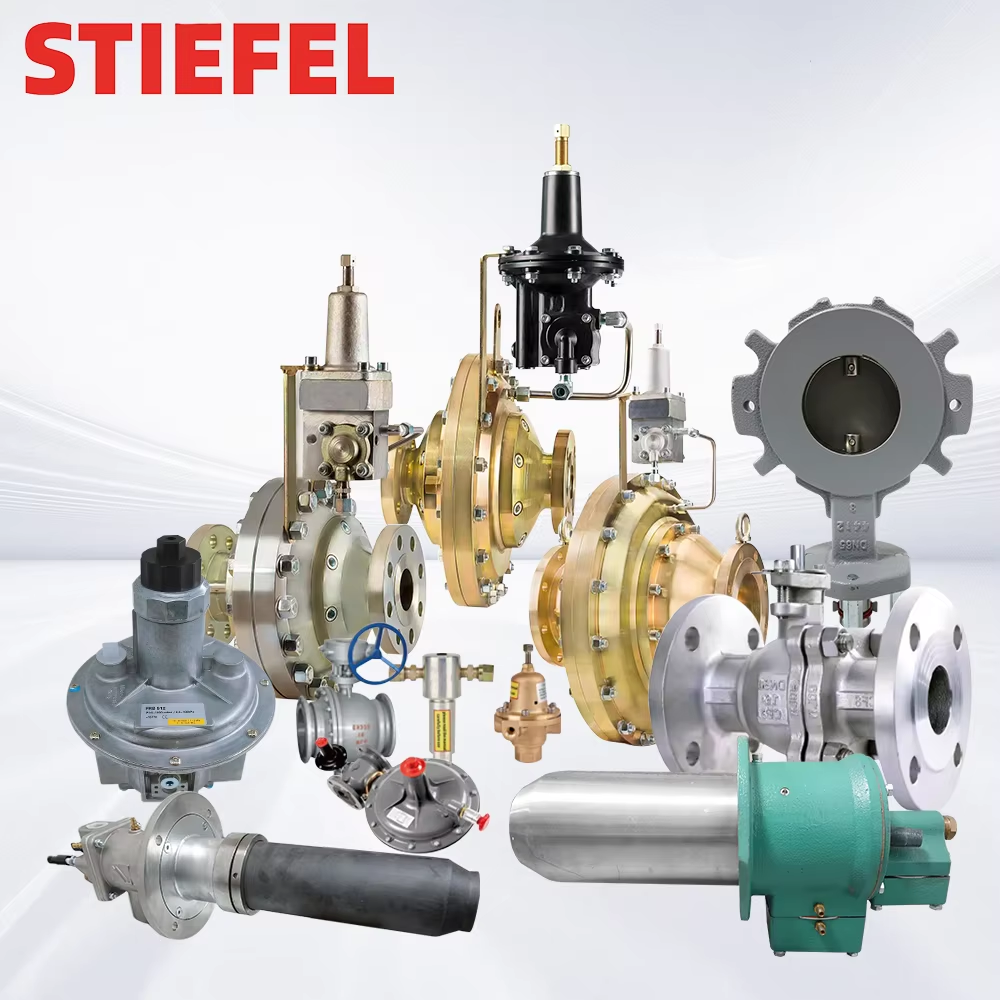
Industrial gas burners are the dependable workhorses behind process heating, steam generation, and thermal oxidation across countless sectors. However, like any sophisticated electromechanical system, their continuous, reliable operation hinges on the integrity of numerous sub-components. The strategic maintenance and timely replacement of gas burner repair parts is not merely a reactive cost but a proactive strategy for ensuring operational safety, fuel efficiency, and regulatory compliance. A failure in a single, seemingly minor component—such as a worn nozzle or a sluggish solenoid valve—can lead to incomplete combustion, unsafe operating conditions, increased emissions, and ultimately, catastrophic burner failure and unplanned downtime.
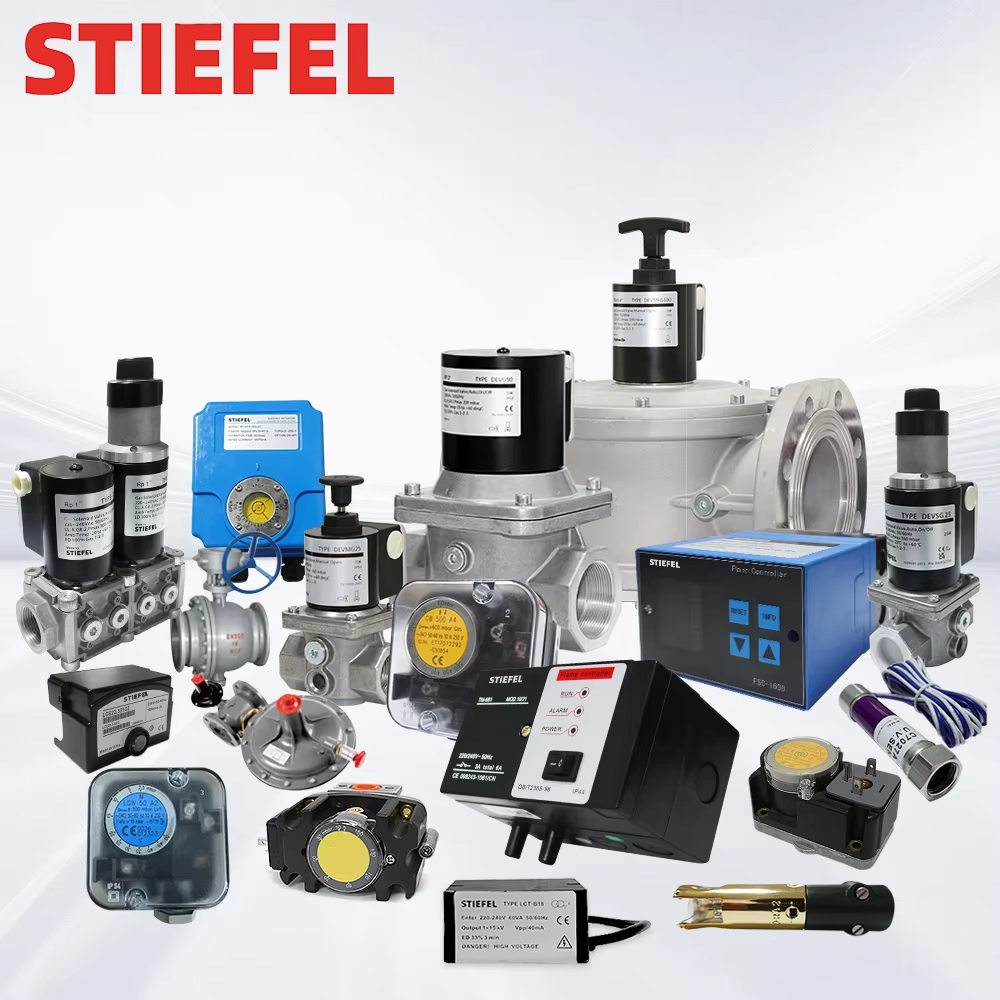
The ignition system is a prime example of a critical subsystem where quality gas burner repair parts are non-negotiable. The ignition transformer, which steps up voltage to create the spark, and the electrodes must work in perfect harmony. A weak transformer or corroded electrodes result in ignition failure, causing start-up lockouts and frustrating troubleshooting delays. In a food processing plant where boilers provide essential steam for sterilization and cooking, a single ignition failure can halt an entire production line, leading to spoilage and significant financial loss. By stocking and installing reliable, high-output ignition components, maintenance teams can ensure fast, first-time ignitions, keeping processes running smoothly and safely.
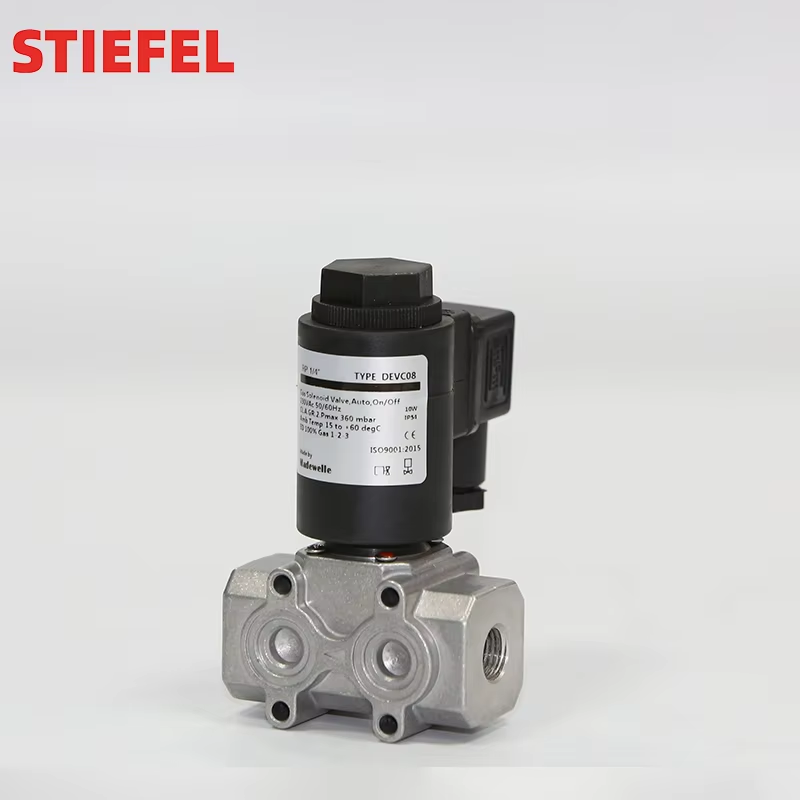
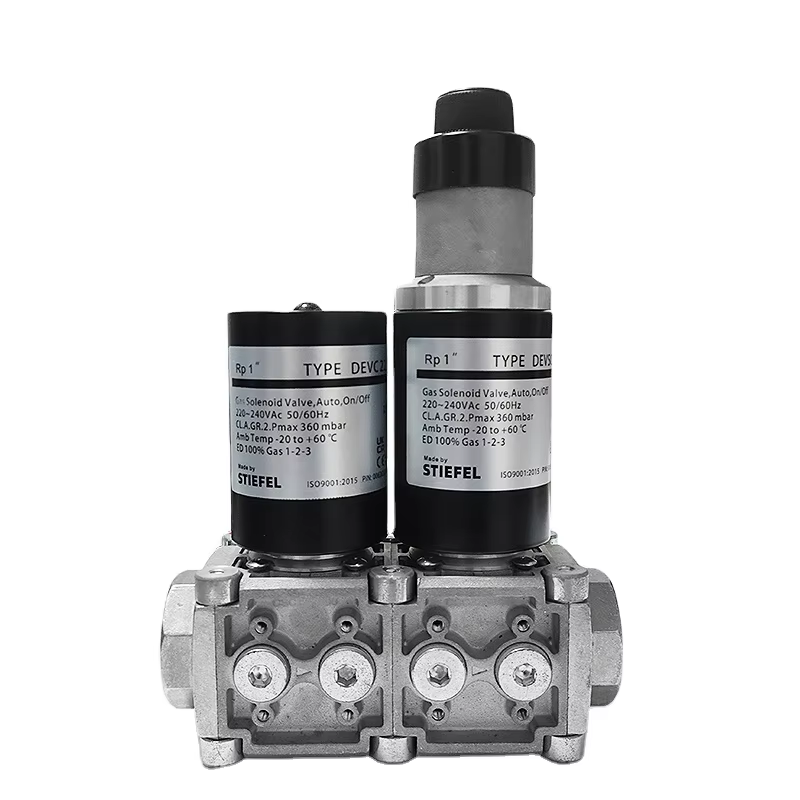
Fuel and air control represent another area where precision parts are paramount. Solenoid valves act as the critical safety gatekeepers for gas supply. A valve that sticks open or fails to seal completely poses a severe safety hazard, while one that sticks closed prevents operation. Similarly, burner nozzles are precisely engineered to atomize fuel and create a stable, efficient flame pattern. A clogged or eroded nozzle disturbs this pattern, leading to poor combustion, soot formation, and wasted fuel. Consider a large textile factory relying on thermal fluid heaters for fabric drying and treatment. Inefficient combustion from faulty control parts directly increases natural gas consumption and can compromise product quality with uneven heating. Replacing these wear items with OEM-quality gas burner repair parts restores optimal fuel-air ratios, ensuring clean, efficient combustion that reduces operating costs and maintains product consistency.
The evolution toward more automated and efficient combustion systems further underscores the importance of electronic gas burner repair parts. Modern burners are governed by combustion controllers that manage sequences, monitor safety via flame sensors, and interface with building management systems. An outdated or malfunctioning controller can limit a burner's functionality and efficiency. Upgrading or replacing these electronic components allows facilities to enhance their system's capabilities, often enabling better modulation, improved diagnostic reporting, and integration with energy management strategies. For instance, upgrading the control system on an older boiler in a commercial laundry facility can lead to more precise temperature control and significant energy savings over time. Therefore, maintaining an inventory of key electronic gas burner repair parts is an investment in system intelligence and future-proofing.
Ultimately, a strategic approach to gas burner repair parts management transforms maintenance from a disruptive expense into a value-driven practice. It empowers facility managers and maintenance engineers to execute planned interventions, thereby avoiding the far greater costs of emergency repairs and production stoppages. Partnering with a specialized supplier who understands the technical nuances of different burner models and can provide reliable, compatible parts is crucial. This partnership ensures that every component—from the simplest gasket to the most complex programmable controller—contributes to the overarching goals of safety, efficiency, and relentless operational availability.
 EN
EN