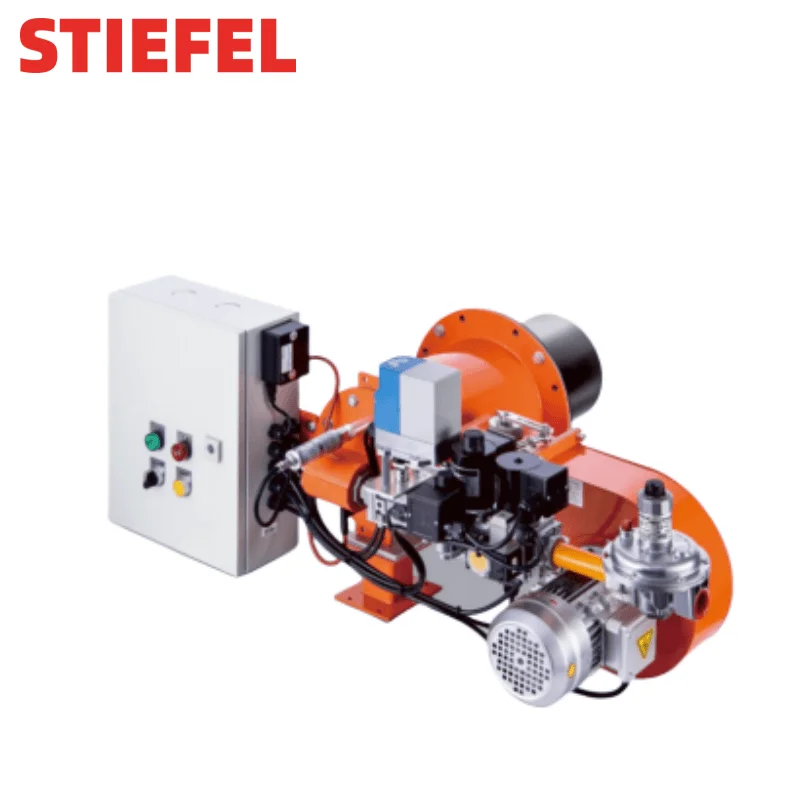
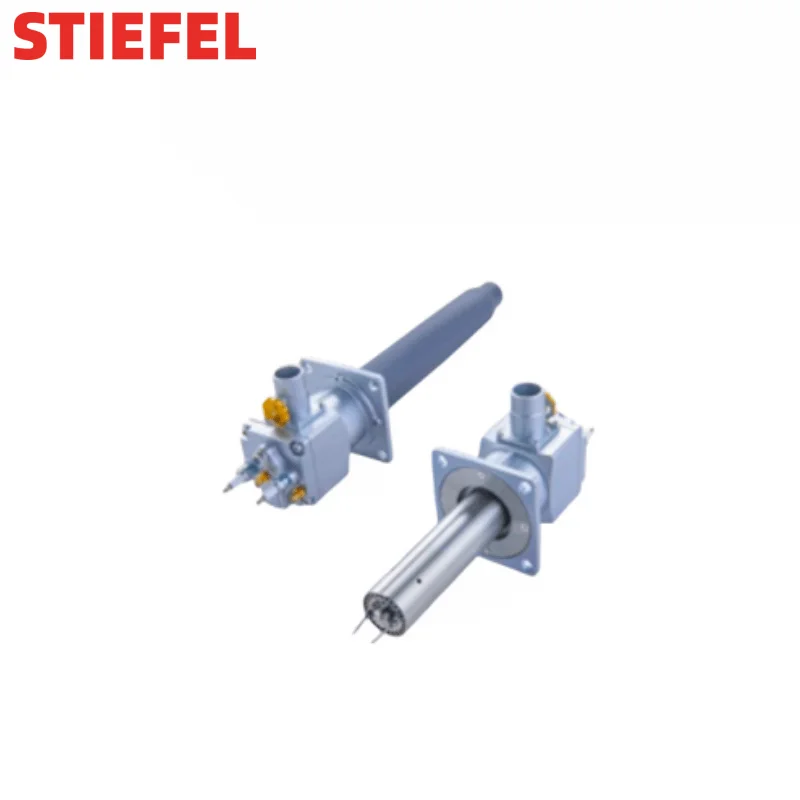
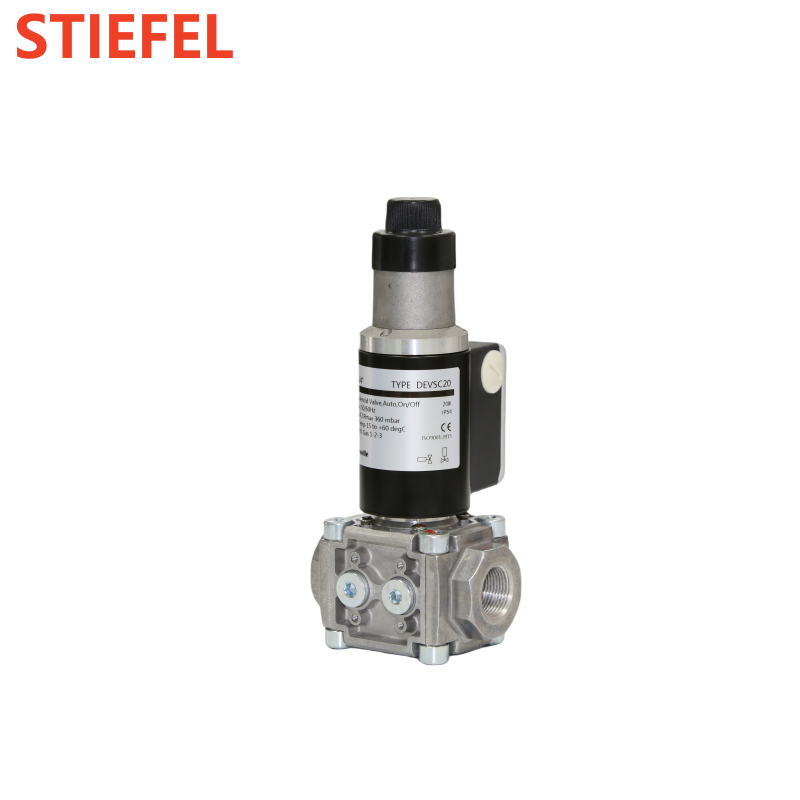
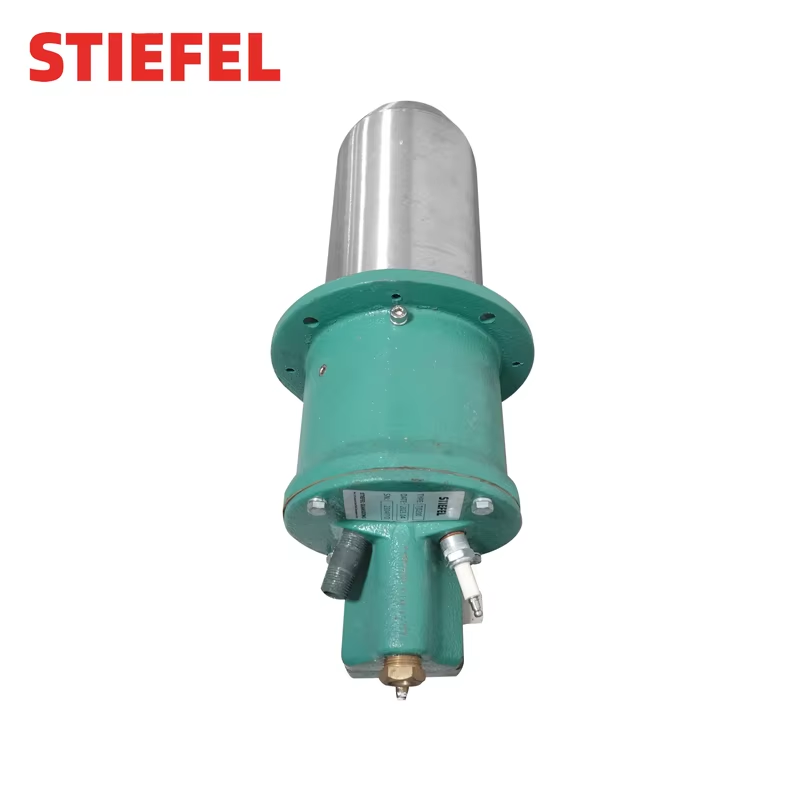
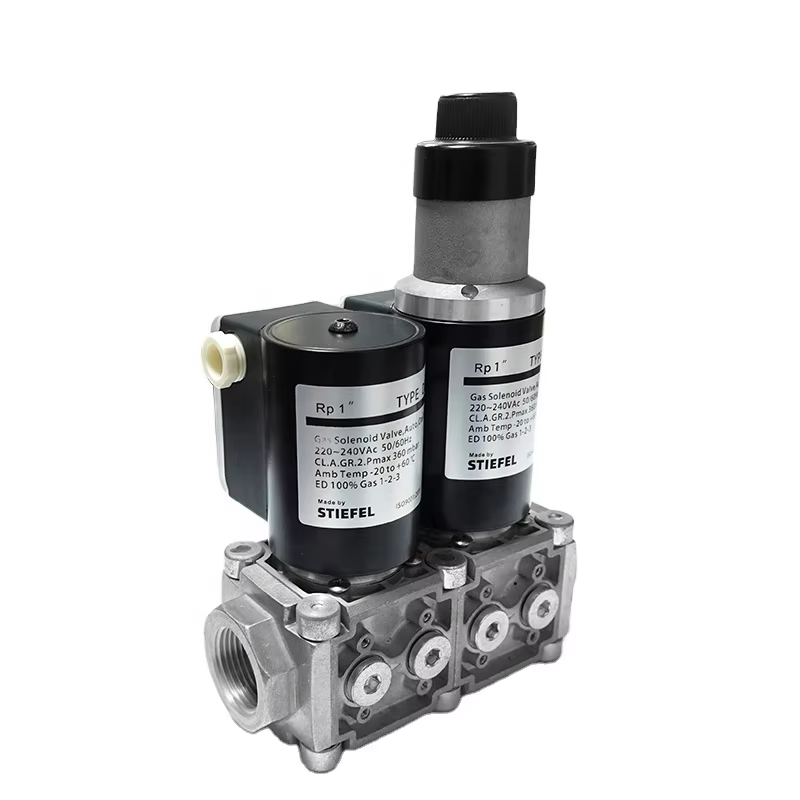
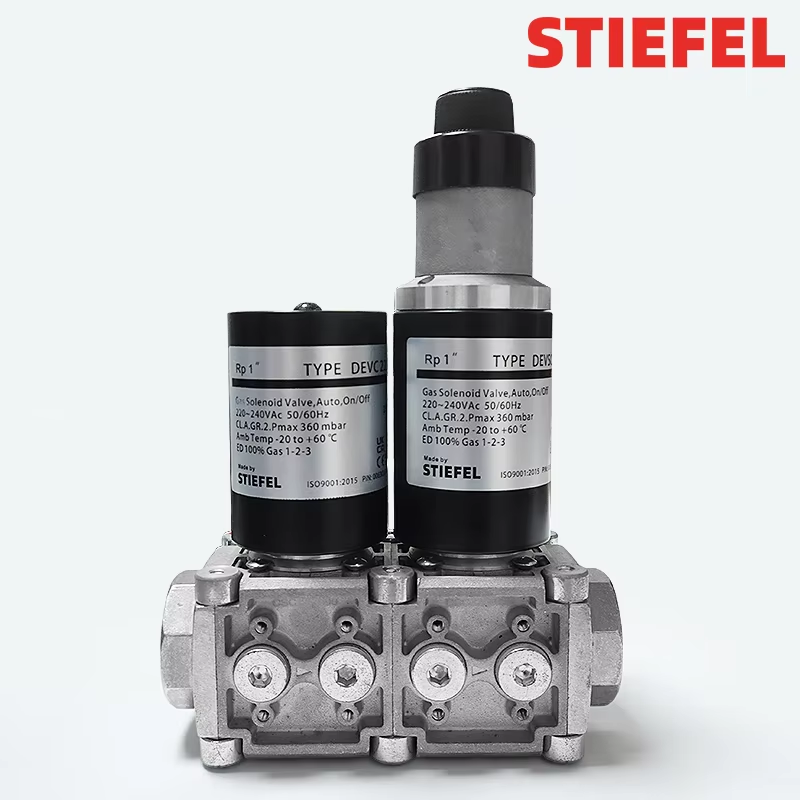
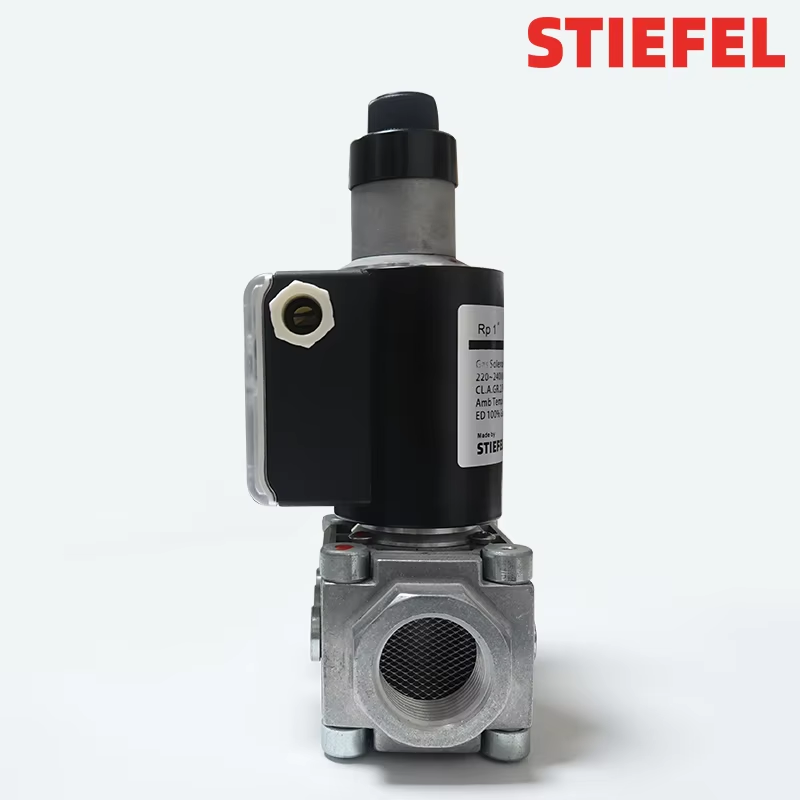
Within the engineered ecosystem of a gas-fired burner system, from compact residential units to massive industrial installations, the control of fuel is the most critical safety parameter. The Gas Solenoid Valve for Burners is the dedicated component tasked with this vital electronic-to-mechanical control function. At Stiefel Combustion, our product expertise includes supplying these essential valves, recognizing that a Gas Solenoid Valve for Burners is the definitive gatekeeper for fuel, directly responsible for safe start-up, operation, and shutdown. This valve is typically the first major gas valve directly controlled by the burner management system. Its operation is binary and decisive: when the control system completes all pre-ignition safety checks (proving draft, air flow, etc.), it sends a voltage to the Gas Solenoid Valve, energizing the coil and opening the orifice to permit gas to flow to the pilot or main burner assembly. Conversely, at the command to shut down—whether a normal cycle end or an emergency fault—the voltage is removed. The internal spring, or system pressure in a pilot-operated design, then forces the valve seat closed, halting all fuel flow within milliseconds. This immediate response is non-negotiable for preventing dangerous gas accumulation.
When specifying a Gas Solenoid Valve for Burners, several technical aspects must align perfectly with the burner's design. The valve’s construction—typically featuring a brass or stainless steel body—must be rated for the specific type of gas (natural gas, propane, butane) and its supply pressure. The internal seal material, such as NBR (Nitrile) or FKM (Viton), is selected for compatibility to ensure long-term integrity and prevent swelling or degradation that could cause leakage. The valve’s flow coefficient (Cv) must be adequately sized to deliver the burner’s maximum gas demand without creating a significant pressure drop; an undersized Gas Solenoid Valve for Burners can starve the burner of fuel, leading to poor performance and potential flame instability. Furthermore, the electrical specifications are crucial. The operating voltage and frequency (e.g., 24VAC, 120VAC/60Hz, 230VAC/50Hz) must match the control system’s output. The valve’s power consumption (in VA) and ingress protection (IP) rating should also be considered based on the installation environment.
The application of a Gas Solenoid Valve for Burners is universal across the combustion industry. In a packaged firetube boiler, the main Gas Solenoid Valve is a key component interlocked with the flame scanner; if the scanner loses sight of the flame, the valve must close instantly. In a commercial restaurant appliance, such as a high-BTU range or fryer, the Gas Solenoid Valve for Burners ensures gas only flows when an electric ignition source is active and a flame is proven. In more complex industrial dual-fuel burners, separate Gas Solenoid Valves are used on the gas and oil lines, with controls ensuring only one valve can be open at a time during fuel switching. The reliability of this component is so critical that many safety codes require periodic manual testing of the Gas Solenoid Valve’s closure time and leak-tightness as part of routine maintenance. A valve that fails to open can cause nuisance lockouts and downtime, but a valve that fails to close or leaks in the closed position represents a severe safety hazard.
For OEMs assembling burner packages or maintenance teams replacing faulty components, selecting the correct Gas Solenoid Valve for Burners is a decision that impacts system integrity. It is essential to cross-reference the original valve’s specifications or the burner manufacturer’s guidelines. Key parameters include the valve type (direct-acting for lower flows/pressures or pilot-operated for higher flows), orifice size, pressure rating, voltage, and any required agency certifications (CE, UL, CSA). To ensure you obtain a Gas Solenoid Valve that meets or exceeds the performance of the original, we recommend a technical consultation. Please contact Stiefel Combustion with your burner model, gas type, electrical specifications, and pressure data. Our team can then provide detailed product information for a compatible Gas Solenoid Valve for Burners and a formal quotation tailored to your specific replacement or OEM integration needs, ensuring your burner system maintains its designed safety and efficiency.
 EN
EN