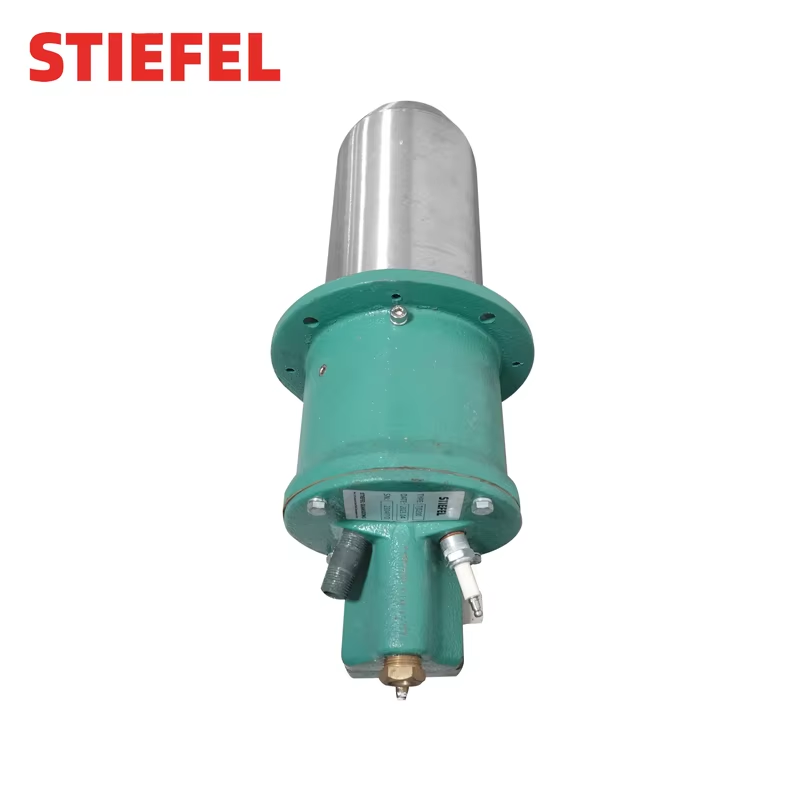
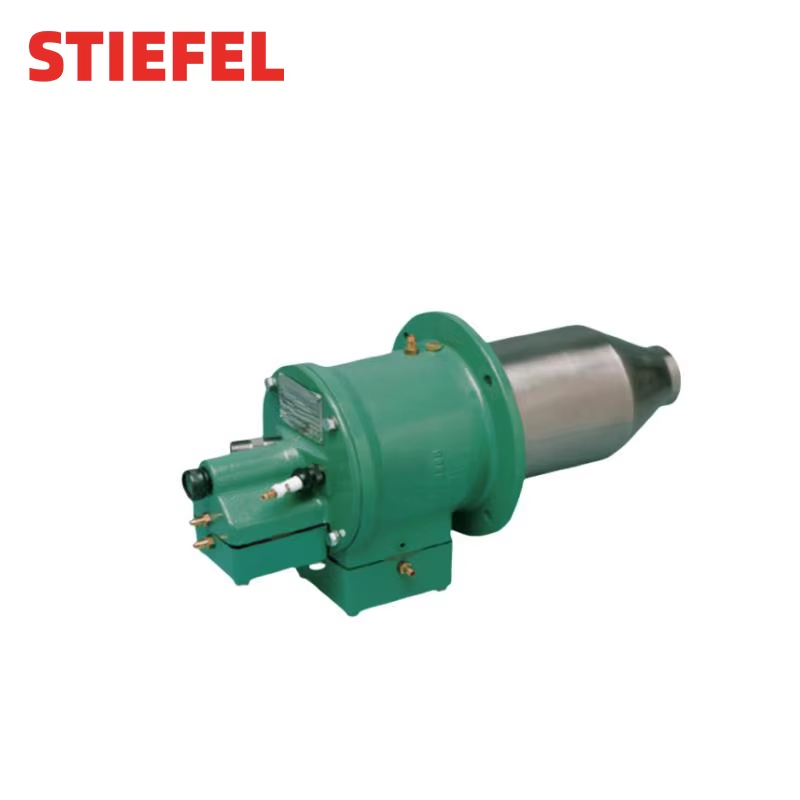
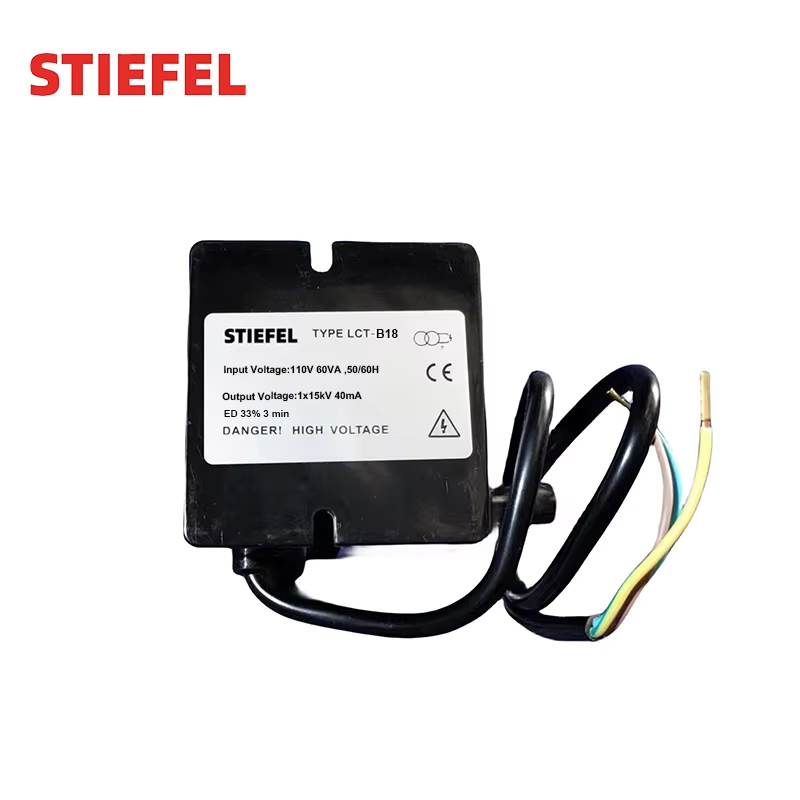
The evolution of manufacturing and material science has created an unprecedented demand for advanced, controllable, and highly efficient heating technologies. In this landscape, systems capable of delivering localized, rapid, and precise heat—such as those based on electromagnetic induction principles—have become indispensable for a wide range of industrial applications. At STIEFEL, our extensive background in designing complex thermal and combustion systems gives us a unique vantage point on the integration of such technologies. We specialize in understanding the complete thermal process chain and engineering solutions that ensure reliability, repeatability, and energy efficiency from system inception to final output.
The fundamental value of an advanced high-power heating system lies in its ability to transform energy into heat directly within the target material in a clean and highly controllable manner. This method offers distinct advantages over conventional radiant or convection heating. It allows for exceptional temperature uniformity, drastically reduced cycle times due to rapid heating rates, and often results in a cleaner processing environment with lower thermal losses to the surroundings. These benefits translate directly to production floors in the form of higher throughput, improved product consistency, and reduced energy consumption per unit. For industries such as metal forging, heat treatment, brazing, or crystal growth, where precise temperature profiles and atmospheric control are critical, the implementation of a correctly specified and integrated system is a decisive factor in achieving desired metallurgical properties and final product quality.
Selecting and implementing the right thermal solution requires a detailed analysis of the application. Key parameters include the material's electromagnetic and thermal properties, the required heating profile (including ramp-up, soak, and cool-down rates), the physical geometry of the workpiece, and the desired production volume. For instance, the requirements for annealing a large metal coil differ vastly from those needed for precisely brazing a delicate aerospace component. Power density, frequency selection, coil design, and cooling system capacity must all be meticulously engineered to match the process. Furthermore, integration with material handling systems, process atmosphere controls (such as inert gas or vacuum), and real-time temperature monitoring and feedback loops is essential for creating a robust, automated production cell.
STIEFEL's role bridges the gap between advanced heating technology and practical, reliable industrial application. Our engineers assess the entire process to recommend solutions that align with operational goals and budgetary constraints. We focus on creating systems that are not only powerful but also intelligent, incorporating modern control interfaces for easy operation and data logging for process validation. By leveraging our broad experience in thermal system design, we ensure that supporting infrastructure—such as power stability, cooling loops, and safety interlocks—is adequately planned for, preventing common integration pitfalls that can lead to downtime or underperformance. We encourage potential clients to engage with our technical team for a detailed consultation. Please contact us to discuss your specific application's challenges, desired outcomes, and performance benchmarks. Our team is ready to provide expert guidance and develop a comprehensive proposal for a High Power Induction Heater system tailored to propel your manufacturing capabilities forward.
 EN
EN