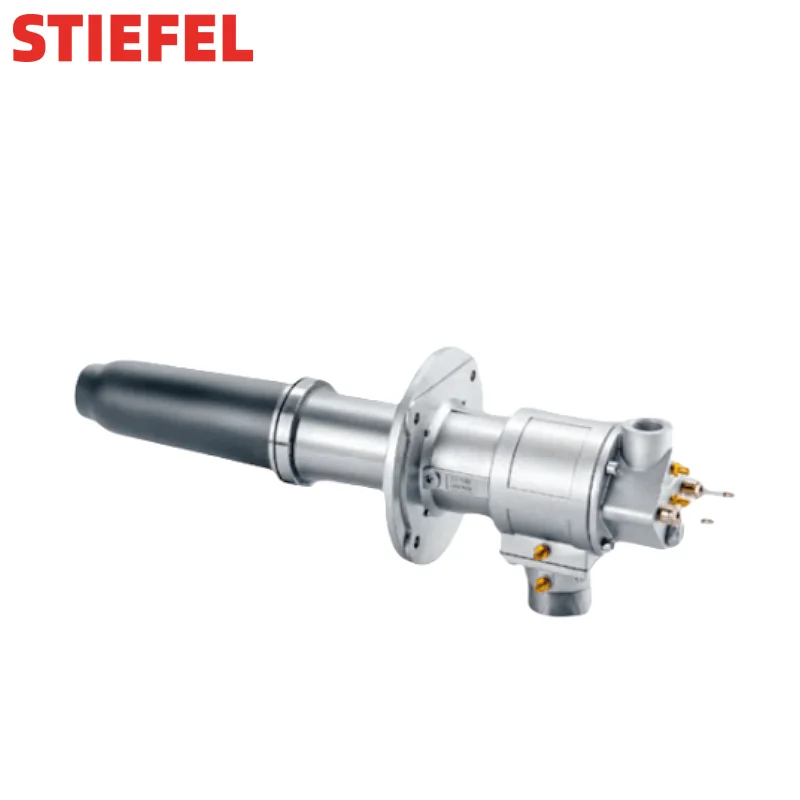
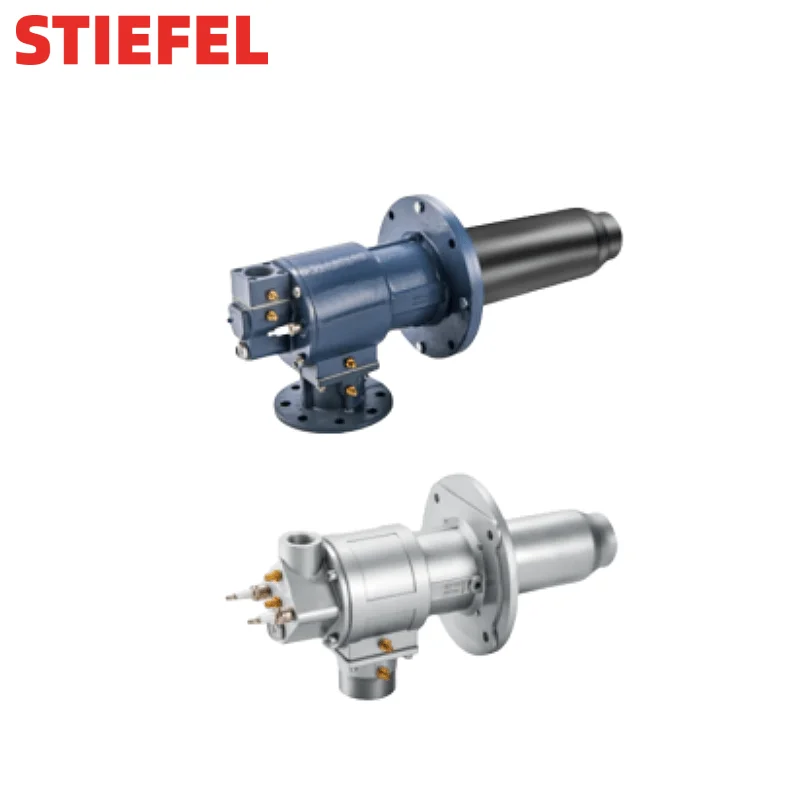
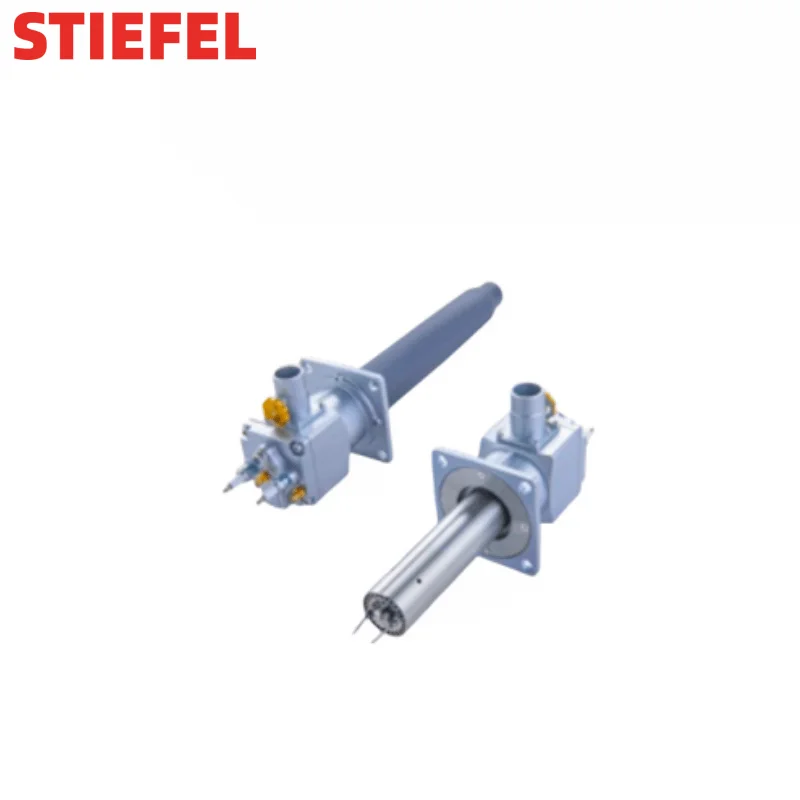
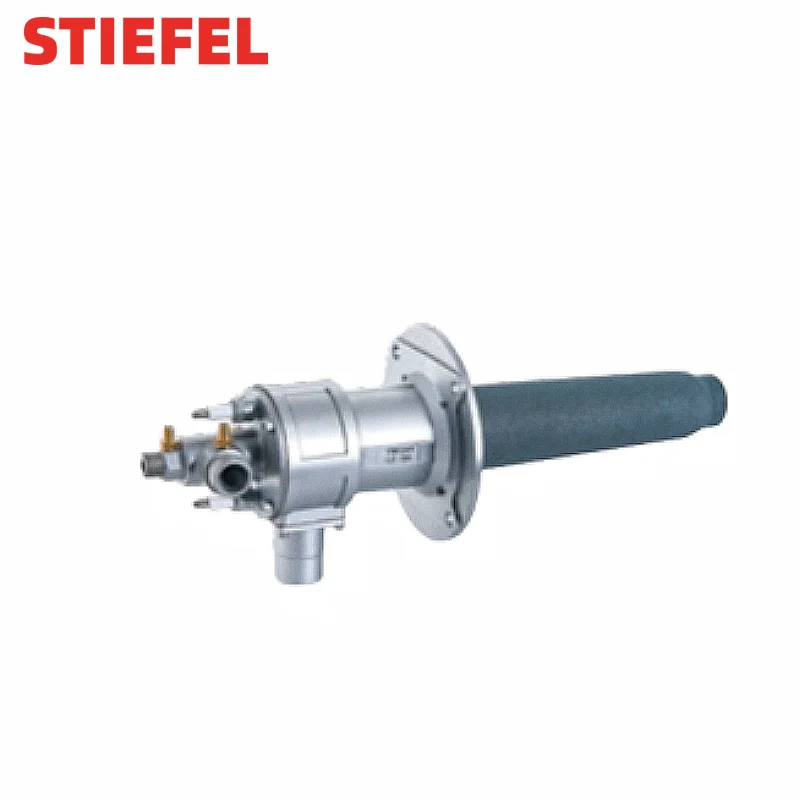
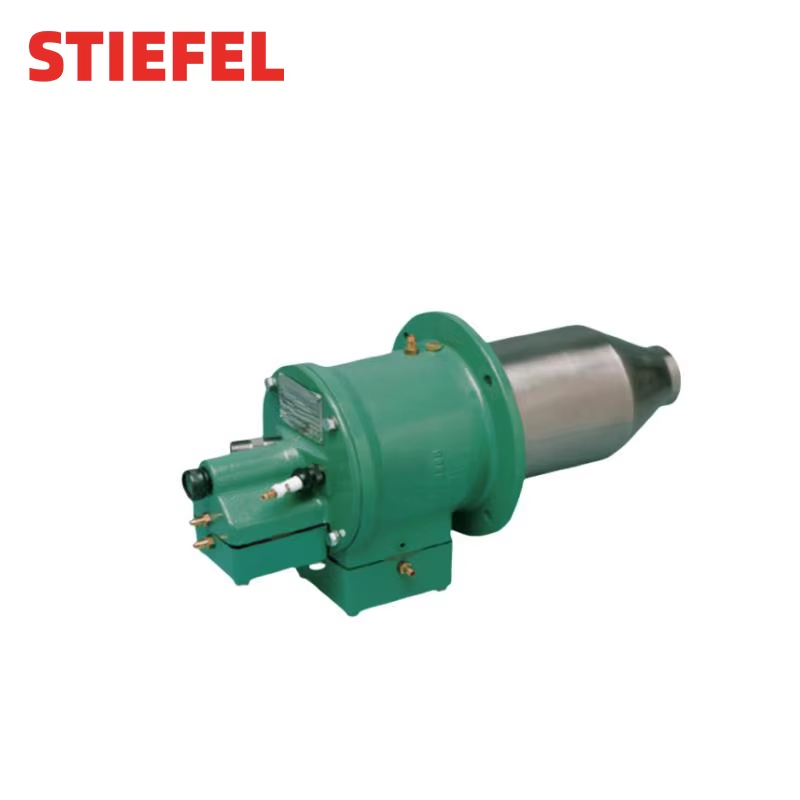
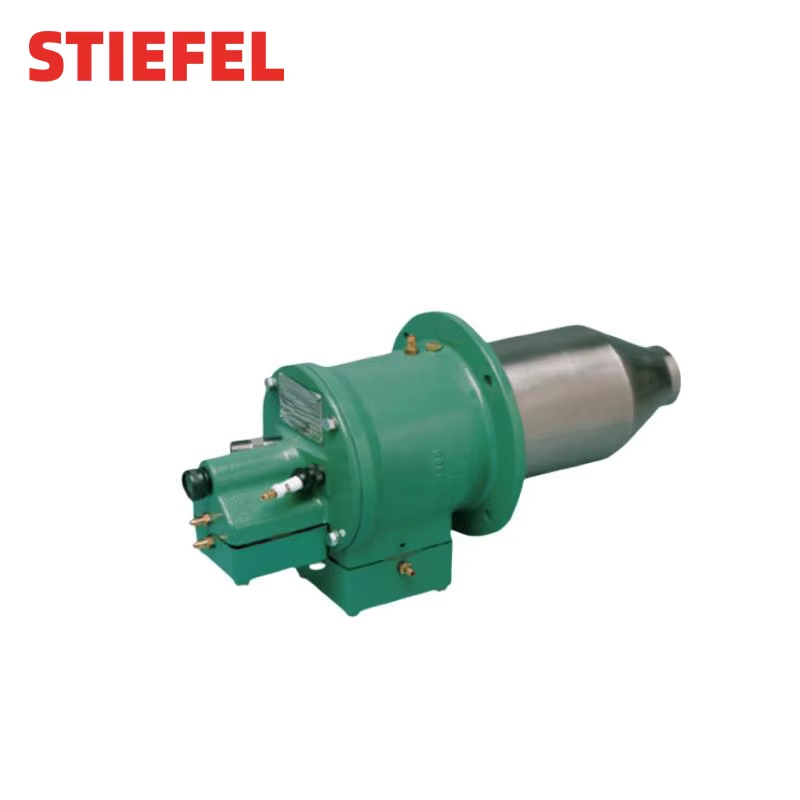
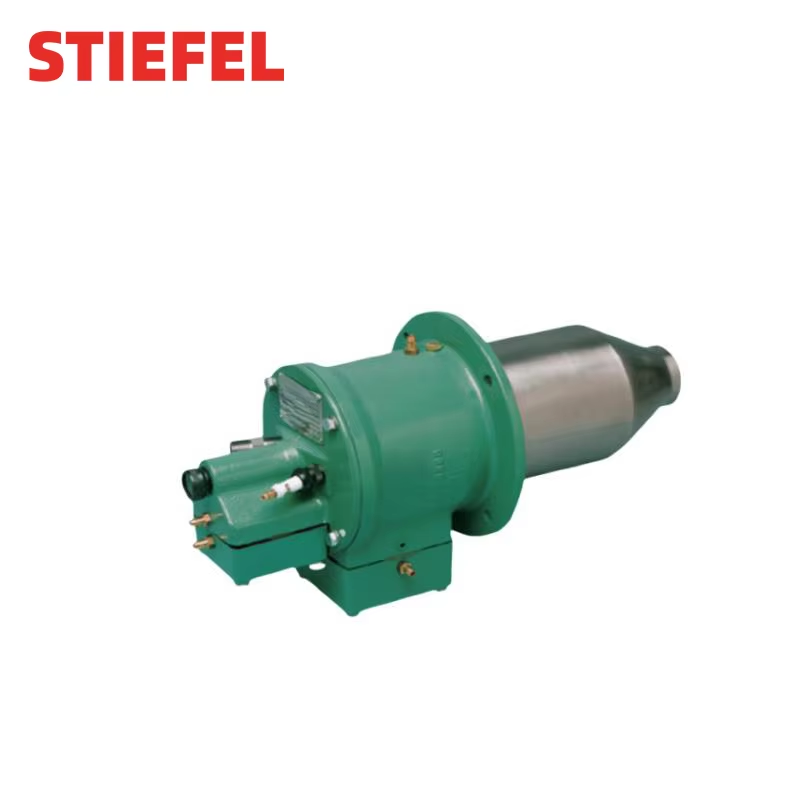
The safe and efficient operation of any Industrial Burner hinges on a successful and controlled startup sequence, a process governed entirely by its Industrial Burner Ignition System. This system is far more than just a spark; it is an integrated assembly of electrical and mechanical components designed to safely introduce an ignition source into a prepared fuel-air mixture. At Stiefel Combustion, our role is to supply the reliable components that form this critical subsystem, understanding that a failure here can lead to operational delays, unsafe conditions, or damage to the burner and furnace. A standard Industrial Burner Ignition System typically involves a pilot ignition setup. The sequence begins with the burner management controller initiating a pre-purge to clear the combustion chamber of any residual gases. Once purge is complete and safety interlocks are satisfied (airflow proven, valves closed), the controller energizes the Industrial Burner Ignition System. This usually involves activating a high-voltage ignition transformer. The transformer steps up the incoming voltage (e.g., 120VAC) to several thousand volts, which is then discharged across a gap between an ignition electrode and a ground tip or the pilot burner itself, creating a continuous spark.
The spark serves to ignite a small, continuous gas stream from the pilot burner, establishing a stable pilot flame. This pilot flame acts as a proven, reliable ignition source for the main burner. A flame detection device, such as a UV scanner or rectification rod, then confirms the presence of the pilot flame. Only after this "flame proven" signal is received does the main burner safety valve open, allowing fuel to flow to the main burner head where it is ignited by the established pilot. This meticulous step-by-step process, managed by the controller but executed by the Industrial Burner Ignition System components, is what prevents unburned gas from flooding the chamber—a primary safety concern. In some direct ignition systems, the high-energy spark is used to ignite the main burner gas directly, eliminating the need for a standing pilot, but the fundamental requirement for a reliable spark and immediate flame detection remains equally critical.
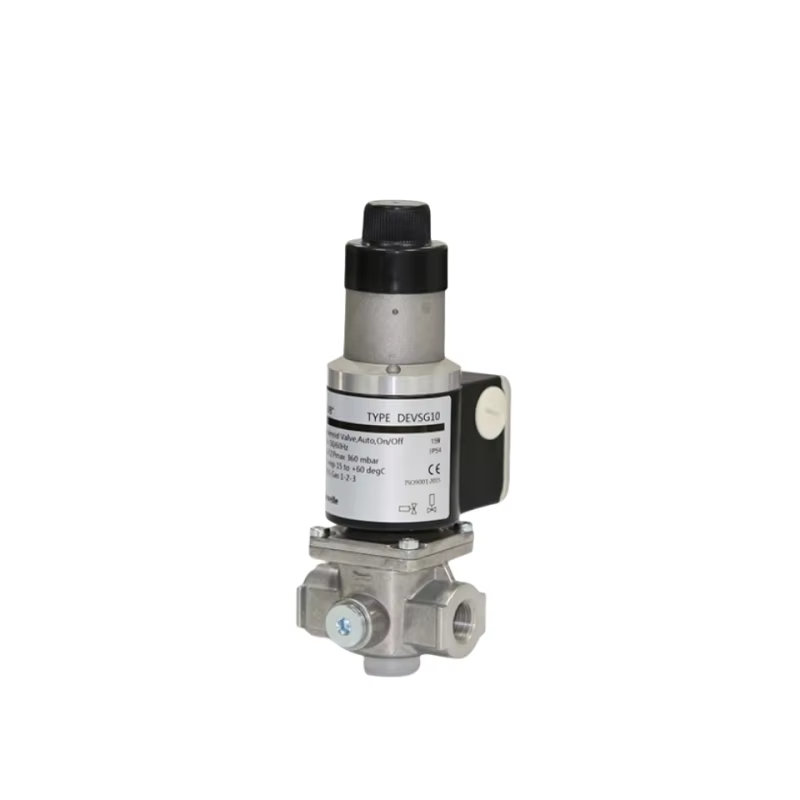
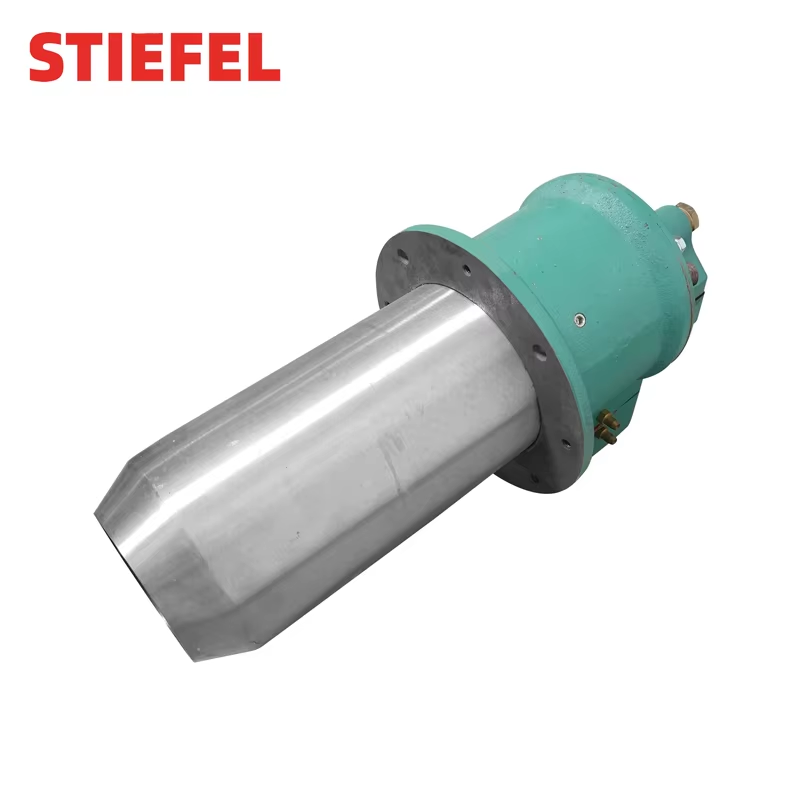
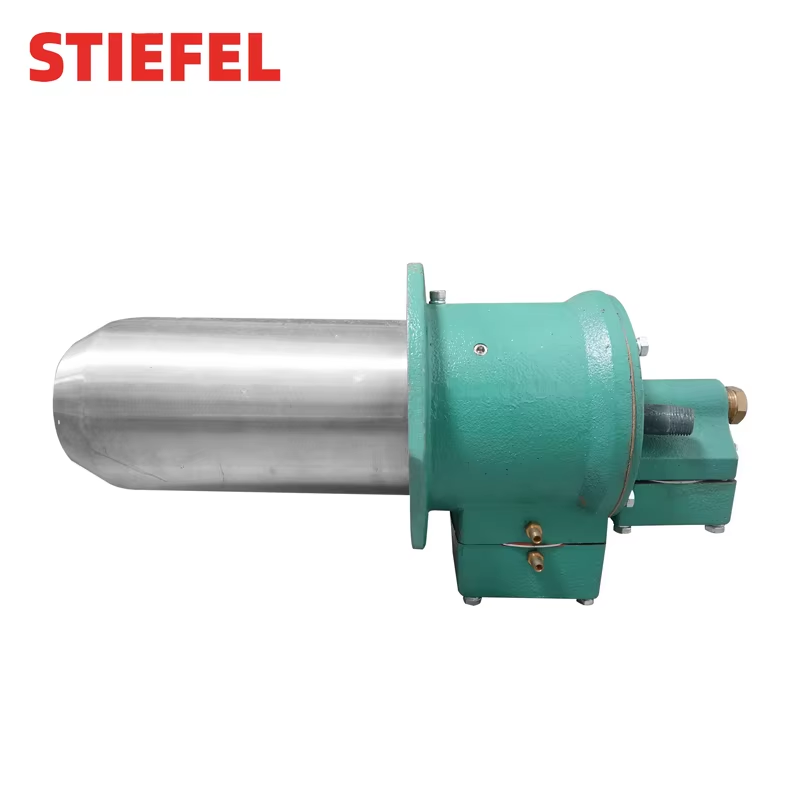
Key components of an Industrial Burner Ignition System include the ignition transformer, the ignition electrode (and its ceramic insulator), the pilot burner assembly (including a pilot solenoid valve and injector), and the flame detector. Selecting the right components requires careful matching to the burner's specifications. The ignition transformer must provide sufficient voltage (e.g., 10kV) and energy (expressed in joules or via a specific spark rate) to jump the gap in the specific combustion environment, which can be affected by air flow and gas pressure. The electrode material and shape must resist spark erosion and chemical attack from combustion products. The positioning of the electrode relative to the pilot or burner nozzle is critical for optimal sparking and flame interaction. Similarly, the flame detector must be sensitive to the specific flame characteristics (UV emission, ionization current) of the fuel being used.
The applications for these systems are vast. In a large steam boiler, a reliable Industrial Burner Ignition System ensures the boiler can start quickly and safely to meet sudden load demands. In an industrial furnace used for heat treating, consistent ignition is vital for maintaining precise temperature cycles and product quality. In hazardous waste incinerators, safe and guaranteed ignition is an absolute environmental and safety mandate. For engineers and maintenance teams, understanding the interplay within the Industrial Burner Ignition System is key to troubleshooting startup failures. Common issues include a weak spark from a failing transformer, an eroded or misaligned electrode, a clogged pilot orifice, or a dirty/flawed flame sensor. Regular inspection and maintenance of these components are essential for preventing unscheduled outages. To ensure you have the correct, high-performance components for your specific burner model and fuel type, we recommend consulting with our technical specialists. Contact Stiefel Combustion with your burner make, model, and the symptoms or components you need. We can help identify the optimal Industrial Burner Ignition System parts and provide a detailed quotation to keep your operations running safely and efficiently.
 EN
EN