EN
EN

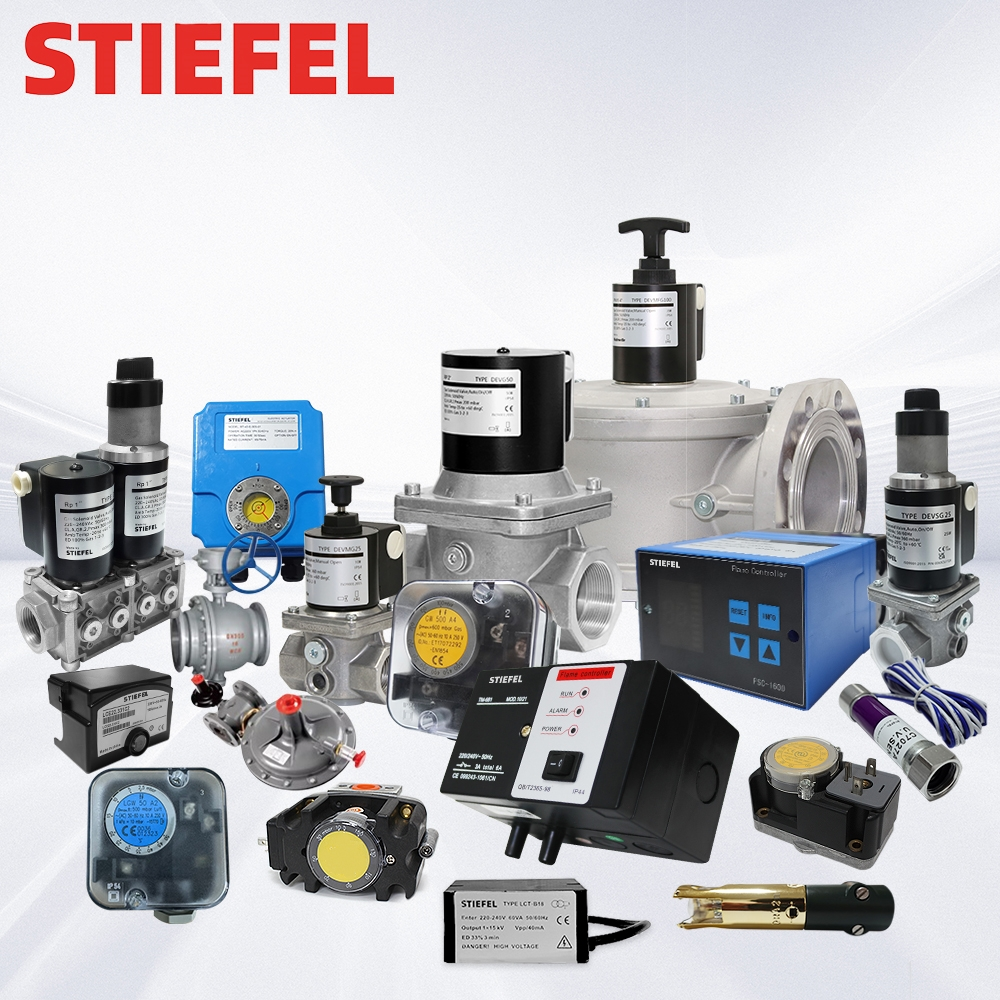
Core Boiler Parts and Their Critical Functions
The anatomy of an industrial boiler: Key components explained
Most industrial boilers depend on five main systems working together to turn fuel into usable heat energy. The burner system basically blends air with fuel before lighting it off, and inside the combustion chamber things get really hot - we're talking around 1800 degrees Fahrenheit or so. Heat exchangers then pass this intense heat to water flowing through boiler tubes, which are usually constructed from either stainless steel or carbon steel alloys. Steam drums help manage pressure levels, sometimes going as high as 1200 pounds per square inch in newer models. There's also stuff like economizers that warm up incoming water by capturing heat from exhaust gases, which helps recover about 6 to 8 percent of otherwise lost energy based on various efficiency tests. All these components work closely together in what amounts to a thermal system network, and truth be told, small problems with any part can cause big headaches for operations down the line.
Burner systems and combustion chambers: Initiating and sustaining efficient heat generation
Today's burner assemblies typically hit around 94 to 97 percent efficiency thanks to their ability to precisely control the mix of air and fuel. Some models even work with both natural gas and oil, switching back and forth without missing a beat. The combustion chambers themselves are built with special refractory materials that can handle all that heating and cooling without breaking down. These designs usually keep nitrogen oxide emissions below 50 parts per million, which meets EPA standards. We've seen some real improvements lately too. Ceramic fiber insulation now lets systems warm up about 15% quicker than older models with brick lining. According to the latest ASME benchmarks from 2023, this kind of performance is becoming standard across the industry.
Heat exchangers, boiler tubes, and steam management systems: Transferring and controlling thermal energy
Firetube and watertube heat exchangers dominate industrial applications:
| Design Type | Pressure Range | Efficiency | Common Use Cases |
|---|---|---|---|
| Firetube | ≤300 psi | 80–85% | Small process steam |
| Watertube | 300–3,000 psi | 88–92% | Power generation |
Steam separators and attemperators maintain ±2% pressure and temperature variance during 40–100% load fluctuations, preventing turbine damage in cogeneration plants.
Economizers and superheaters: Enhancing steam quality and energy recovery
Feedwater economizers improve system efficiency by 4–6%, raising inlet temperatures 90–140°F (32–60°C) using exhaust heat. Superheaters then elevate steam to 750°F (399°C) and above via multi-stage heating coils, increasing turbine output by 18–22% in combined cycle plants. Proper maintenance prevents scaling-related losses that can cost $58,000 annually in mid-sized facilities.
High-Quality Boiler Parts for Maximum Reliability and Longevity
Why Premium Materials in Boiler Parts Reduce Operational Failures
Boilers running at pressures over 150 psi need parts built from materials that stand up to corrosion, typically specialty alloys and premium quality steels. According to recent studies published by Worldwide Power in their 2024 report, pressure vessels made with ASTM A516 Grade 70 carbon steel tend to last longer before failing due to fatigue issues compared to cheaper options. The difference? Around 30% reduction in these kinds of failures. Feedwater valves constructed from stainless steel grade 316L offer protection against pitting corrosion which is a real problem in systems handling water with high total dissolved solids content. This means fewer unexpected shutdowns when things go wrong. Plants that invest in properly certified components generally see overhaul intervals stretching out between 18 to 24 months, which represents a substantial increase in equipment lifespan and saves money on repairs down the road.
Material Standards for Boiler Tubes, Pressure Vessels, and Corrosion Resistance
Three key factors determine boiler part longevity:
- Temperature tolerance: SA-213 T11/T22 alloys retain tensile strength above 1,000°F (538°C), ideal for superheater tubes
- Pressure cycling resilience: ASME Section VIII-certified vessels endure 100,000+ pressure cycles
- Corrosion resistance: Chromium-molybdenum steels (1.25% Cr-0.5% Mo) reduce oxidation rates by 67% in wet steam environments
| Component | Minimum Standard | Key Property |
|---|---|---|
| Boiler Tubes | ASME SA-192 | Thermal conductivity ≥ 45 W/m·K |
| Safety Valves | API 526 | Leak-tight seal up to 1,100 PSI |
| Gaskets | ASTM F104 | 650°F continuous service rating |
Case Study: Extended Uptime Through High-Performance Safety Valves and Feedwater Components
An ethanol facility somewhere in the Midwest hit an impressive 93% uptime for the whole year after they swapped out their old equipment for ASME certified safety valves and those tough duplex stainless steel feed pumps. Looking at their maintenance records tells another story too there were way fewer emergency shutdowns caused by problems with the steam systems about 76% fewer actually. The plant started replacing parts that tend to wear out before they failed completely, stuff like valve discs and seat rings. This predictive maintenance trick stretched how long these components lasted by around 40% according to that big report from Industrial Maintenance in 2024. And let's not forget the money saved nobody wants to lose $18,000 every single hour when the boilers go down unexpectedly.
Precision Components That Boost Industrial Boiler Efficiency
Combustion Controls and Fuel-Air Ratio Optimization for Peak Efficiency
Modern combustion control systems sustain thermal efficiency by dynamically adjusting fuel-air ratios. Using real-time oxygen sensors, these systems reduce excess air waste by up to 18% compared to manual setups. A 2023 study found that microprocessor-based controls enable 93–95% combustion efficiency, lowering fuel costs by $12,000 annually per boiler.
The Role of Economizers and Modern Heat Exchangers in Achieving >85% Thermal Efficiency
Economizers work by grabbing leftover heat from those hot flue gases and using it to warm up the feedwater before it goes into the boiler. High performance heat exchangers take this a step further by increasing the surface area available for heat transfer. When these two components are used together in industrial settings, operators typically see around a 6 to 9 percent reduction in fuel needs, pushing overall system efficiency past the 85% mark. Looking at actual field results from recent upgrades, facilities that installed finned tube economizers reported cutting their natural gas consumption by about 7% according to 2023 retrofit statistics. Switching to stainless steel heat exchangers provided additional benefits too, with most plants experiencing between 3 and 5% improvements simply because these materials resist scaling buildup better than standard options. These kinds of incremental gains add up significantly over time for plant managers watching both their bottom line and environmental impact metrics closely.
Flame Safeguard Systems and Detectors: Preventing Inefficiencies and Fuel Waste
Integrated flame monitoring systems shut down burners within seconds of detecting unstable combustion, preventing fuel waste and hazardous conditions. Ultraviolet scanners detect flame failure 40% faster than thermal sensors, reducing annual fuel waste by 1,200 MMBtu in industrial boilers.
Data Insights from High-Efficiency Industrial Facilities Using Advanced Boiler Parts
Data from 85 facilities showed that upgrading components like modulating burners and AI-driven controls reduced CO emissions by 14 tons per system annually. Steam output per fuel unit rose by 19%, and maintenance costs dropped 22% thanks to predictive alerts signaling potential failures before they occur.
Essential Safety Components in Modern Boiler Systems
Safety Valves and Pressure Relief Mechanisms: Critical Protection During Emergencies
Industrial boilers operate under extreme pressures, making safety valves essential. These mechanisms automatically release excess steam when internal pressure exceeds safe limits, preventing catastrophic failure. ASME-certified valves handle pressures up to 1,500 PSI, and field data indicate a 92% reduction in explosion risks with annual maintenance.
| Component | Function | Activation Threshold |
|---|---|---|
| Spring-Loaded Valve | Releases steam during gradual pressure rise | 15% above operating |
| Rupture Disk | Instantaneous response to rapid overpressure | 25% above operating |
| Pilot-Operated Valve | Precision control for high-capacity systems | 10% above operating |
Integrated Flame Safeguard Systems and Real-Time Monitoring for Risk Prevention
Today's flame protection systems incorporate things like optical scanners, temperature sensors, and automatic shut down features to keep combustion dangers at bay. These systems typically spot when a flame goes out somewhere between 3 to 5 seconds after it happens, then quickly stop the fuel from flowing. This fast response cuts down on those pesky unburned fuel emissions by about two thirds in natural gas boilers alone. The real game changer comes when these systems connect to internet of things dashboards though. Operators get to watch all sorts of important numbers on their screens including oxygen levels and nitrogen oxide readings. Keeping an eye on these metrics helps make sure everything stays within the requirements set forth by the ASME CSD-1 safety guidelines.
The Hidden Cost of Cutting Corners on Safety-Related Boiler Parts
A 2023 analysis of 12,000 industrial boiler incidents revealed that 44% stemmed from substandard safety components, including corroded relief valves and uncalibrated detectors. Facilities using OEM-approved parts reported:
- 57% lower emergency repair costs
- 31% longer service intervals
- 80% fewer regulatory fines
Non-compliance with NFPA 85 standards results in average incident costs of $740k in downtime and penalties (Ponemon 2023)—far exceeding savings from low-cost alternatives. Investing in high-quality safety components is not just about compliance; it ensures operational continuity and risk mitigation.
Automation and Control Systems Transforming Boiler Operations
Digital Control Systems and Their Integration with Key Boiler Parts
Today's boiler systems come equipped with digital control panels that manage everything from burners to heat exchangers and pressure valves all at once. The way these work is pretty impressive actually – they constantly check sensor readings as things happen, then tweak settings to get the best possible combustion efficiency and steam production. Some of the newer controller models can fine tune those fuel air mixtures down to within half a percent difference. That kind of precision really cuts back on wasted energy without sacrificing compliance with environmental regulations. According to various industry reports, facilities that switch from old fashioned manual controls to these integrated digital systems typically see their yearly fuel expenses drop somewhere between twelve and eighteen percent over time.
Automated Regulation of Feedwater and Water Circulating Pumps
Smart automation maintains optimal feedwater flow and pump speeds across varying loads. Algorithms analyze steam demand to prevent thermal stress on boiler tubes—a leading cause of premature failure in older systems. Facilities using automated regulation report 30% fewer unscheduled shutdowns, with water levels held within ±2% of target values.
IoT-Enabled Boiler Components: The Rise of Smart Combustion Controls
Smart combustion controls connected to the internet can actually spot when maintenance will be needed anywhere from 45 to maybe even 60 days ahead of time thanks to machine learning algorithms. These systems look at past performance records alongside current burner readings to catch strange patterns in how flames behave or how heat moves through equipment. Some studies show that factories implementing this kind of technology often hit around 92% thermal efficiency levels simply because they fix problems related to incomplete burning and dirty heat exchangers faster. When technicians can diagnose issues remotely instead of showing up on site, it saves them roughly two thirds of the usual troubleshooting time. This means plant managers get warnings about potential breakdowns long before anything actually goes wrong, which makes everyone's job easier down the road.
FAQ Section
What are the critical components of an industrial boiler?
The critical components of an industrial boiler include burner systems, combustion chambers, heat exchangers, water and steam management systems, economizers, and superheaters. These work together to convert fuel into usable heat for various industrial processes.
Why are premium materials important in boiler construction?
Premium materials in boiler construction reduce operational failures by providing better corrosion resistance, pressure cycling resilience, and temperature tolerance, thus ensuring longer equipment lifespan and fewer shutdowns.
How do modern combustion control systems improve efficiency?
Modern combustion control systems improve efficiency by dynamically adjusting fuel-air ratios using real-time sensors, thus reducing excess air waste and enhancing combustion efficiency.
What role do safety valves play in boiler operation?
Safety valves are vital in boiler operation as they automatically release excess steam when internal pressure exceeds safe limits, preventing catastrophic failures and reducing explosion risks significantly.
How is IoT technology used in modern boiler systems?
IoT technology in modern boiler systems is used to enable smart combustion controls, which predict maintenance needs ahead of time using machine learning algorithms, assisting in maintaining high thermal efficiency.
Table of Contents
-
Core Boiler Parts and Their Critical Functions
- The anatomy of an industrial boiler: Key components explained
- Burner systems and combustion chambers: Initiating and sustaining efficient heat generation
- Heat exchangers, boiler tubes, and steam management systems: Transferring and controlling thermal energy
- Economizers and superheaters: Enhancing steam quality and energy recovery
- High-Quality Boiler Parts for Maximum Reliability and Longevity
-
Precision Components That Boost Industrial Boiler Efficiency
- Combustion Controls and Fuel-Air Ratio Optimization for Peak Efficiency
- The Role of Economizers and Modern Heat Exchangers in Achieving >85% Thermal Efficiency
- Flame Safeguard Systems and Detectors: Preventing Inefficiencies and Fuel Waste
- Data Insights from High-Efficiency Industrial Facilities Using Advanced Boiler Parts
- Essential Safety Components in Modern Boiler Systems
- Safety Valves and Pressure Relief Mechanisms: Critical Protection During Emergencies
- Integrated Flame Safeguard Systems and Real-Time Monitoring for Risk Prevention
- The Hidden Cost of Cutting Corners on Safety-Related Boiler Parts
- Automation and Control Systems Transforming Boiler Operations