EN
EN

Material Science Behind High-Performance Burner Parts
Why stainless steel and heat-resistant alloys dominate critical burner components
Stainless steel and special alloys such as Inconel form the backbone of industrial burners that need to last. These materials stand up really well against oxidation, rusting, and shape changes even when exposed to temperatures over 1000 degrees Celsius. What makes them work so good is their high levels of chromium and nickel content. This helps maintain strength during repeated heating cycles and protects against damage from harsh combustion leftovers. Studies show that compared with regular carbon steel, parts made from these advanced materials can last three times longer in extreme conditions. Plus, they machine nicely too, allowing manufacturers to create those intricate fuel air mix designs needed for cleaner burning systems across various industries.
Advanced ceramics in burner tiles and insulators: boosting thermal efficiency and lifespan
When it comes to industrial burners, silicon carbide and alumina ceramics really boost thermal performance. These tough materials can handle temps over 1,600 degrees Celsius without breaking down. They also expand almost nothing when heated, so they don't crack easily even through those quick temperature swings we see in manufacturing settings. Another plus is their low thermal conductivity which acts like a good insulator, keeping heat where it needs to be inside combustion chambers. Tests show this setup can make systems about 18 percent more efficient than using metal parts instead. Plus, ceramic insulators stop electricity from leaking out in ignition systems, which means fewer unexpected breakdowns. All these benefits together mean less frequent maintenance stops and overall reduced power usage for plants running around the clock.
Core Burner Parts That Define Combustion Performance
Burner head and nozzle assembly: precision engineering for flame stability and fuel atomization
Burner heads act as the main area where fuel combines with air during combustion, and getting the geometry just right is essential for keeping flames stable. The nozzles on these systems are precision machined so they break fuel down into tiny droplets under 50 microns in size, which helps create better mixing between fuel and oxygen. Research from the Combustion Engineering Journal last year indicated something pretty significant about this process - when done right, it cuts NOx emissions anywhere from 18 to maybe even 25 percent. Some newer designs incorporate vortex features that boost turbulence levels around 40% higher than standard models, making combustion much more efficient overall. Real world testing shows good burner head design keeps temperatures within about plus or minus 1.5% across industrial furnaces. This kind of consistency matters a lot for things like heating metals properly or firing ceramics without defects.
| Design Factor | Performance Impact | Maintenance Consideration |
|---|---|---|
| Orifice Tolerance | ±2% flow variance = 5-7% efficiency loss | Quarterly calibration |
| Air Swirler Angle | 30°–45° optimizes flame attachment | Annual wear inspection |
| Material Hardness | HRC 55+ prevents erosion pitting | Replace after 15,000 cycles |
Fuel delivery system parts – nozzles, regulators, and filters – ensuring consistent, clean operation
Getting reliable combustion going requires a good balance in how fuel gets delivered throughout the system. Stainless steel nozzles handle the actual fuel flow control, and pressure regulators keep things stable at around ±0.25 psi. This matters a lot since even small changes beyond 5% can mess up the combustion process completely. Most modern systems use multi stage filtration that mixes mesh filters with centrifugal tech to catch those pesky particulates. According to what turbine operators have seen in the field, this approach cuts down maintenance needs by about 60%. When filtration works well, especially when it catches particles smaller than 10 microns, it stops carbon from building up and protects nozzles from wearing away too fast. The result? Service life typically stretches out by around eight months compared to systems without proper filtration. Systems that stay well maintained tend to waste under half a percent of their fuel, which is way better than what happens with setups that don't have these controls in place.
Air Management Components Essential for Efficient Combustion
Blowers, dampers, and intake filters: optimizing air-to-fuel ratio and preventing system degradation
Getting the air right matters a lot when it comes to how well combustion works. The blowers handle most of the air moving around, but those little dampers make all the difference in spreading things out just right. We're talking about keeping that sweet spot between air and fuel somewhere around 15 to 20 parts air for every part fuel. If we get even 5% off track from these numbers, fuel starts costing extra money (about 10 to 15% more) and bad stuff gets released into the atmosphere. Those intake filters aren't just there for show either. They stop tiny particles from getting inside where they can wear down nozzles and mess up heat exchangers, which means replacing equipment sooner than planned. Newer setups now have oxygen sensors working together with automatic dampers so they can adjust on the fly whenever fuel quality changes. This kind of feedback loop helps keep flames stable and cuts down on dangerous carbon monoxide production. Field tests actually show maintenance needs drop by about 30% with these systems. And don't forget about component sizing either. When everything fits properly, less heat escapes due to turbulence. For every 1% we cut back on excess air, thermal efficiency goes up roughly 0.6%. That's why having all parts work well together makes such a big difference in overall performance.
Safety and Control Burner Parts: Reliability Meets Regulatory Compliance
Flame detectors, shut-off valves, and ignition transformers as non-negotiable safety burner parts
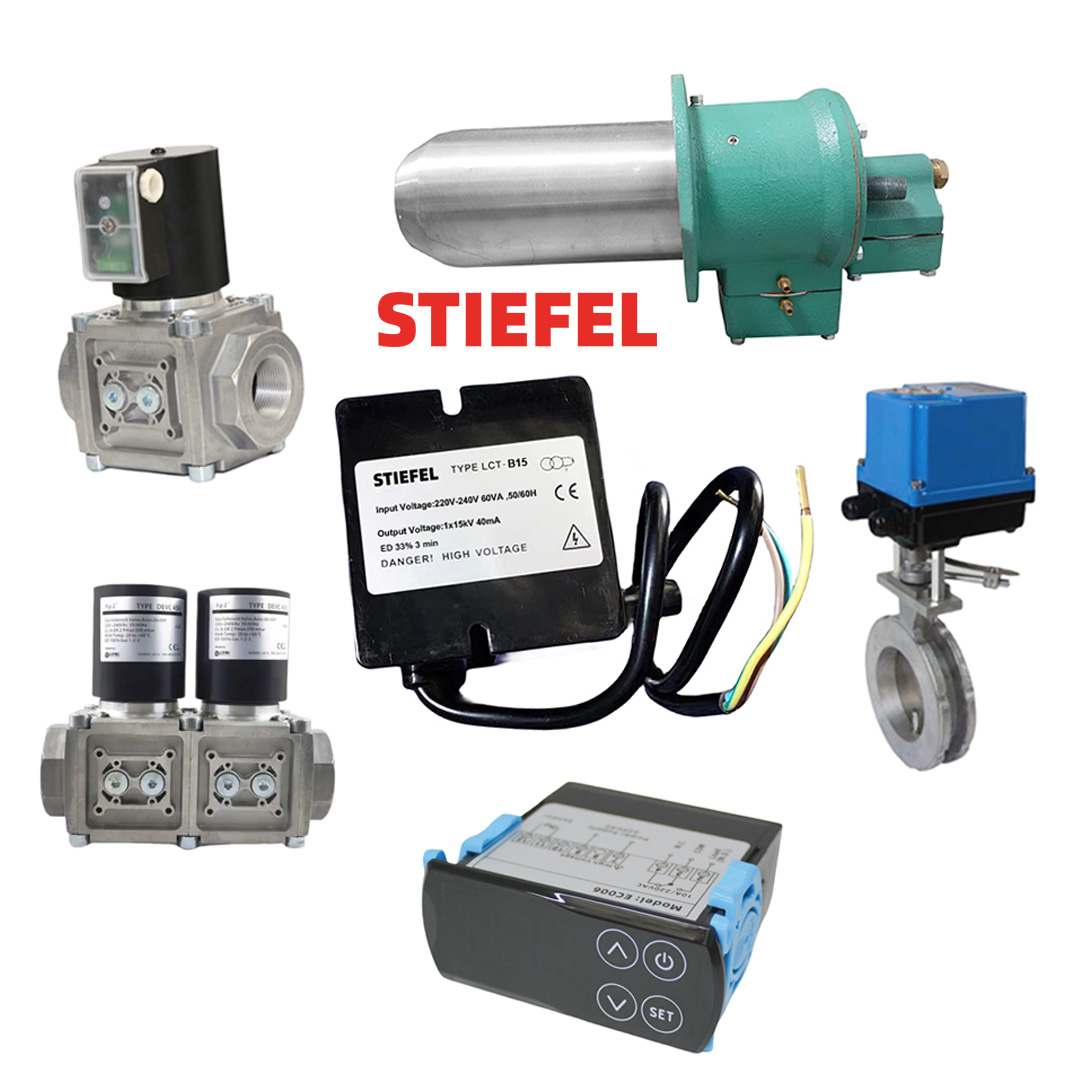
Safety components designed to fail safely play a vital role in stopping major accidents from happening in industrial burners. Flame detectors keep watch over the burning process all the time, shutting everything down right away whenever there's no flame anymore. This stops dangerous amounts of unburned fuel from building up inside the system. When something goes wrong, shut off valves cut off the fuel supply within just a few seconds, acting as important barriers against potential leaks. For starting things up properly, ignition transformers create those strong voltage sparks needed for consistent ignition and maintaining steady pilot flames. All these parts work together to meet requirements set out in standards like NFPA 86 and ISO 13577, helping reduce problems like flashbacks and dangerous gas accumulation. Plants that don't have proper certified safety systems installed tend to experience incidents about 32 percent more often than those with good safety measures in place, based on what industrial safety experts have observed over time. Some key features of these dependable components include:
- Continuous operational validation via integrated diagnostics
- Operational resilience across extreme temperatures (-40°C to 160°C)
- Vibration-resistant construction for harsh industrial environments
Unlike auxiliary parts, these triple-redundant systems are non-negotiable for personnel safety and regulatory compliance. Regular calibration is crucial, as 78% of combustion incidents stem from degraded safety components. Failure to maintain them can result in regulatory penalties exceeding $500,000.
FAQ
Why are stainless steel and heat-resistant alloys used in burner parts?
Stainless steel and heat-resistant alloys are used because they withstand high temperatures, oxidation, and rusting, ensuring long-lasting performance in industrial burners.
What benefits do ceramics offer in burner applications?
Ceramics like silicon carbide and alumina enhance thermal efficiency, prevent cracking, and maintain low thermal conductivity, thus improving burner performance and reducing maintenance.
How do air management components affect combustion efficiency?
Air management components like blowers and dampers maintain the optimal air-to-fuel ratio, preventing system degradation and enhancing fuel efficiency.
What role do safety burner parts play?
Safety burner parts, like flame detectors and shut-off valves, ensure effective and safe combustion processes, adhering to regulatory standards and minimizing accident risks.