EN
EN

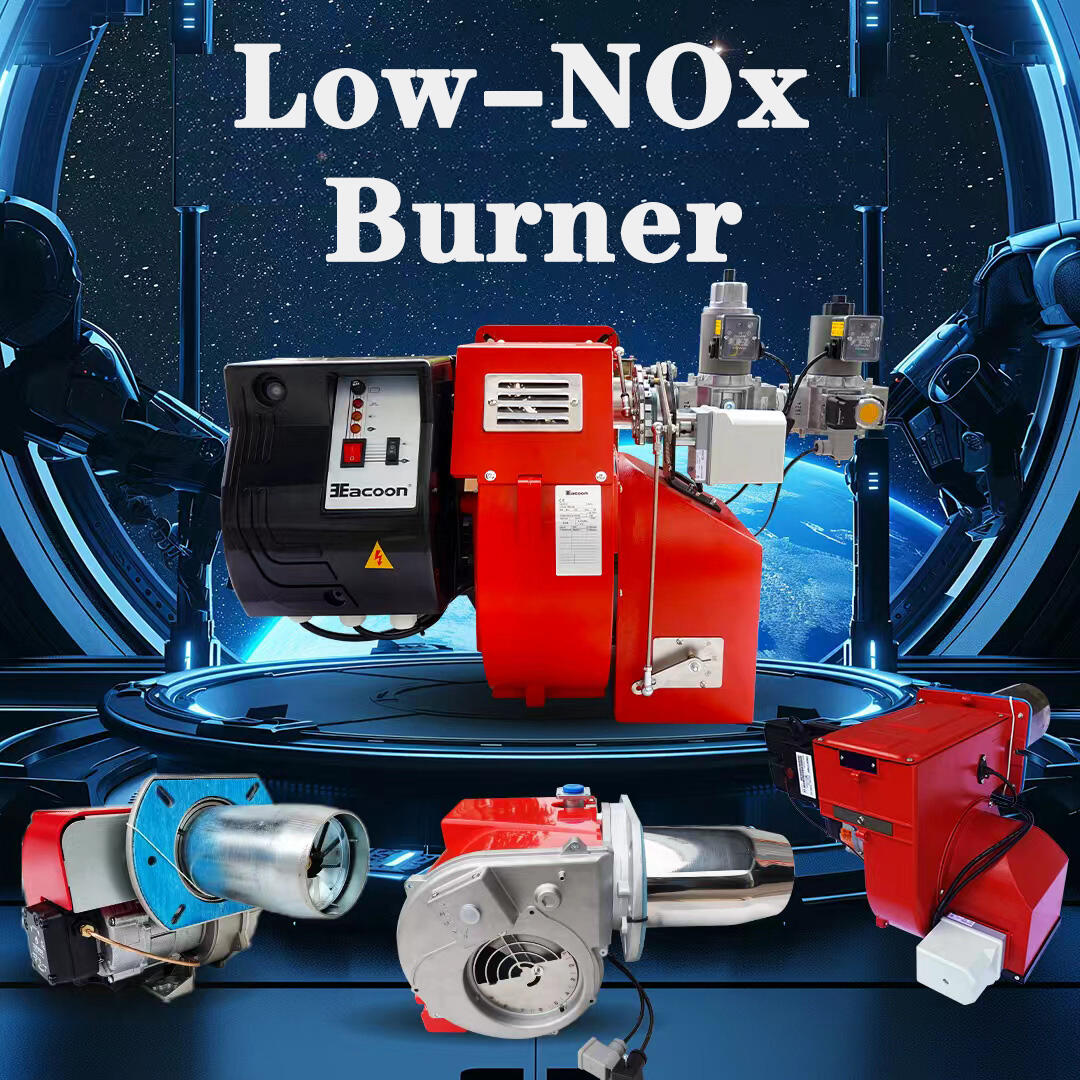
What Are Low NOx Burners and How Do They Reduce Emissions?
Definition and Key Differences from Conventional Burners
Low NOx burners work as combustion systems aimed at cutting down on nitrogen oxide emissions through better control of flame temperatures and improved fuel-air mixing ratios. Regular burners tend to run really hot, sometimes over 2800 degrees Fahrenheit, creating conditions where thermal NOx gets produced quickly. Low NOx versions tackle this problem using methods such as staged combustion processes and recycling part of the exhaust gases back into the system. When there's less oxygen available during initial burning stages and complete mixing happens later, these systems typically cut NOx levels between forty to sixty percent when compared against traditional models according to EPA data. For industries needing to meet tough environmental standards, especially places under California's South Coast Air Quality rules, installing low NOx technology isn't just good practice it's practically necessary nowadays.
The Science of NOx Formation in Combustion Processes
NOx is generated through three primary mechanisms:
- Thermal NOx: Forms when nitrogen and oxygen react at temperatures above 2,500°F (1,371°C).
- Prompt NOx: Results from rapid reactions between hydrocarbons and atmospheric nitrogen in the flame front.
- Fuel NOx: Arises from nitrogen-containing compounds in fuels like coal or heavy oil.
Low NOx burners mitigate these pathways by altering flame dynamics. Techniques such as ultra-lean premixing and detached flame designs reduce localized hot spots and limit oxygen availability during initial combustion, effectively suppressing both thermal and prompt NOx formation.
Role of Low NOx Burners in Industrial Emission Control
Industries can actually hit those tough EPA emission targets without hurting their bottom line when they switch to these burners. Some research from last year showed something pretty interesting about this whole thing. When companies retrofitted their boilers with those special low NOx burners that have FGR technology, they managed to get NOx down under 9 parts per million while keeping combustion efficiency at around 99%. That's impressive stuff. And we're not done yet. Plants that implemented staged air combustion saw fuel usage drop between 15 to maybe even 20 percent because there was less heat escaping. So what does all this mean? Well basically, cutting emissions doesn't have to cost extra money. Sometimes it actually saves money too.
Core Technologies Behind Low NOx Burner Performance
Flame Shaping and Temperature Control for Reduced NOx Output
Using computational fluid dynamics, modern low NOx burners precisely shape the flame to distribute heat more evenly and avoid temperature spikes. By keeping peak combustion temperatures below 1,300°C—the threshold for significant thermal NOx formation (EPA 2022)—these systems achieve 40–60% lower NOx emissions than traditional burners.
Ultra-Low NOx Premixed Combustion: Efficiency and Emission Benefits
In premixed systems, fuel and air are thoroughly blended before ignition, allowing combustion under lean conditions. As noted in the 2024 Industrial Combustion Report, this method enables NOx emissions below 9 ppm while sustaining over 99% combustion efficiency through controlled reaction kinetics.
Lean Premixed Combustion with Low Swirl Flow Technology
Low-swirl injectors promote turbulent yet stable mixing, extending the residence time for complete combustion. This approach creates a two-stage process that limits oxygen in the primary zone, reducing both prompt and thermal NOx formation while avoiding flame instability.
Detached Flame Design for Complete Combustion and Lower Emissions
By separating the flame front from burner surfaces using momentum-driven flows, this design minimizes conductive heating of metal components. The resulting distributed combustion lowers local temperatures by 150–200°C compared to attached flames, significantly curbing NOx production without sacrificing thermal performance.
Combustion Modifications: Staging and Recirculation Techniques
Air and Fuel Staging for Effective NOx Suppression
Staged combustion works by separating when fuel and air come together during the burning process, which stops those really hot spots where there's too much oxygen at once. For air staging specifically, around 40 to 60 percent of the needed air gets added later on down the line according to EPA data from 2023. This creates what we call a fuel rich area first, making it harder for nitrogen oxides to form. Fuel staging follows pretty much the same idea but focuses on how much fuel goes in instead. The initial mix stays leaner than normal, keeping the equivalence ratio under about 0.95 right from the start. Both approaches cut down on NOx emissions significantly, usually between 30 and 50 percent reduction. Some well tuned systems can even bring levels down to as low as 55 to 80 parts per million while still running efficiently enough for most industrial applications.
Flue Gas Recirculation (FGR) and Its Impact on Flame Stability and NOx Levels
Pre-Mixed vs. Diffusion Flames in Industrial Burner Applications
| Characteristic | Pre-Mixed Flame | Diffusion Flame |
|---|---|---|
| NOx Emissions | 10–25 ppm (Ultra-low) | 50–100 ppm (Conventional) |
| Combustion Stability | Requires precise air/fuel ratio control | Tolerates load fluctuations |
| Fuel Flexibility | Limited to gaseous fuels | Works with oils/syngas |
For applications needing emissions below 30 ppm NOx, pre-mixed burners are generally the go-to solution, especially when working with cleaner fuels. On the flip side, many heavy industrial sectors still rely on diffusion burners for their operations involving liquid fuels or syngas. What's interesting though is how newer hybrid approaches are starting to bridge this gap. These advanced systems mix partial premixing techniques with staged diffusion methods, which allows them to hit around 35 ppm NOx levels even in tough conditions such as those found in cement kilns. And here's the best part they maintain good flexibility across different fuel types too. According to a report from Industrial Heating Journal back in 2023, these innovations represent a significant step forward in emission control technology.
Industrial Applications of Low-NOx Burners in Boilers, Furnaces, and Process Heaters
Reducing NOx in Industrial Furnaces with Advanced Burner Systems
Modern furnaces integrate FGR and staged air injection to cut NOx emissions by up to 60%. For example, retrofitted steel annealing furnaces have achieved emissions as low as 18 ppm while maintaining throughput—meeting EPA Clean Air Act requirements without productivity loss.
Energy Efficiency and Operational Cost Savings in Boiler Retrofits
Retrofitting conventional boilers with low-NOx burners improves combustion efficiency and reduces fuel use by 8–12%. Natural gas-fired systems often achieve 92% thermal efficiency, leading to payback periods under three years due to lower operating costs and avoided compliance penalties—particularly valuable in energy-intensive sectors like food processing.
Case Study: Low-NOx Burners in Petrochemical Process Heating
At a Gulf Coast ethylene plant, replacing diffusion burners with ultra-low-NOx models reduced NOx output from 45 ppm to 9 ppm. Despite processing variable hydrocarbon feedstocks, combustion efficiency remained at 99.5%. This successful deployment illustrates how advanced burner technology supports regulatory compliance and operational reliability in harsh industrial environments.
Balancing Emission Compliance with Energy Efficiency and Productivity
Modern industrial burners must meet tight NOx limits while preserving efficiency and output. Achieving this balance requires intelligent design and adaptive controls.
Maintaining Thermal Efficiency While Reducing NOx Emissions
Through staged combustion and FGR, advanced burners reduce peak flame temperatures by 150–200°C—critical because NOx generation accelerates exponentially above 1,400°C (Combustion Engineering Review, 2023). These adjustments suppress emissions without sacrificing thermal performance, ensuring consistent energy delivery.
Do Ultra-Low NOx Systems Compromise Burner Performance?
Early low-NOx systems faced challenges with turndown ratios and flame stability, but modern designs deliver <15 ppm NOx while maintaining 95–98% combustion efficiency. Real-time oxygen trim and adaptive fuel staging allow seamless response to load variations, debunking the myth that ultra-low emissions require operational trade-offs.
Customized Burner Solutions for Optimal Efficiency and Regulatory Compliance
Manufacturers now offer modular, application-specific burner configurations for diverse needs—from kilns to steam boilers. A 2023 analysis of compliance-driven energy strategies showed that facilities using tailored low-NOx systems reduced compliance costs by 32% and improved fuel efficiency by 5–7% through precision combustion controls.
FAQs
What are Low NOx Burners?
Low NOx burners are combustion systems designed to reduce nitrogen oxide (NOx) emissions by employing techniques like staged combustion and flue gas recirculation.
How do Low NOx Burners reduce emissions?
They control flame temperature and fuel-air mixing, use staged combustion, and recycle exhaust gases to limit the oxygen available in the initial combustion stages, thereby reducing NOx formation.
What is the difference between pre-mixed and diffusion flames?
Pre-mixed flames require precise air/fuel ratio control and are ideal for clean gaseous fuels with low NOx emissions, while diffusion flames tolerate load fluctuations and work with oils/syngas.
Do Low NOx Burners save money?
Yes, implementing low NOx technology can reduce emissions, improve combustion efficiency, and result in significant fuel savings, leading to cost reductions.
Table of Contents
- What Are Low NOx Burners and How Do They Reduce Emissions?
- Core Technologies Behind Low NOx Burner Performance
- Combustion Modifications: Staging and Recirculation Techniques
- Industrial Applications of Low-NOx Burners in Boilers, Furnaces, and Process Heaters
- Balancing Emission Compliance with Energy Efficiency and Productivity
- FAQs