EN
EN

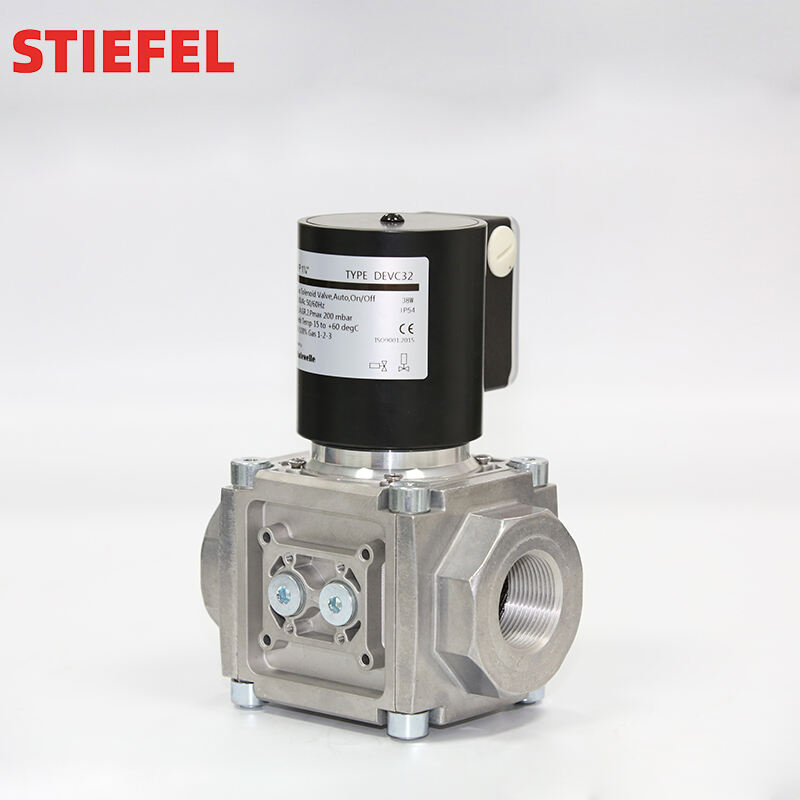
Understanding Temperature Ratings and Thermal Limits in Gas Solenoid Valves
How High Temperatures Affect Gas Solenoid Valve Performance
When gas solenoid valves run beyond their thermal limits, they tend to wear out much faster than normal. According to the Industrial Valve Report from 2023, about seven out of ten early failures in hot environments happen because the coil insulation breaks down or the seals start to degrade. We often see this problem when valves are exposed to temps over 180 degrees Celsius, which is pretty common in steam systems and combustion controls. At these high temperatures, the rubber seals just don't hold up as well. The coils also develop higher electrical resistance, and the actuators take significantly longer to respond sometimes as much as 40% slower than at normal operating conditions.
Interpreting Temperature Ratings: Ambient vs. Media vs. Process Peaks
Manufacturers specify three critical thresholds for gas solenoid valves:
- Ambient temperature: Typically -20°C to 60°C (-4°F to 140°F) for standard models
- Media temperature: Ranges from -50°C to 200°C (-58°F to 392°F) for specialized valves
- Process peak tolerance: Short-term surge capacity during system startups/shutdowns
A 2023 study of thermal-related valve failures found 58% of installations overlooked media temperature spikes during purging cycles, leading to PTFE seal warping and gas leakage.
Case Study: Failures From Underspecified Valves in Steam Systems
A natural gas processing plant experienced 12 valve failures/month in their 185°C steam injection system. Root cause analysis revealed:
| Factor | Specified Limit | Actual Condition | Result |
|---|---|---|---|
| Media Temp | 150°C | 170-185°C | Seal extrusion |
| Duty Cycle | 30% | 85% | Coil overheating |
| Insulation Class | F (155°C) | H (180°C) Required | Burnout |
Upgrading to valves rated for 220°C media with Class H insulation eliminated failures within 6 months.
Strategy: Matching Thermal Ratings to Operating Conditions
Implement a 4-step validation process:
- Record peak temperatures during all system states (startup, standby, shutdown)
- Add 15–20% margin to observed maximums for safety buffer
- Verify compatibility with gas composition—hydrogen requires 25% higher thermal margins than inert gases
- Confirm coil insulation class matches environmental heat exposure
Field data shows proper thermal matching extends service intervals by 3× compared to generic valve selections.
High-Temperature Seal Materials: FKM, FFKM, and PTFE for Reliable Gas Sealing
Why Standard Elastomers Fail Under Prolonged Heat Exposure
Common materials such as nitrile rubber (NBR) tend to break down quickly when exposed to hot gas environments because their molecules start to fall apart. When temperatures go over 120 degrees Celsius or around 248 Fahrenheit, these NBR seals become stiff, lose their stretchiness, and eventually crack. This happens even quicker because of heat related oxidation plus reactions with various gases including steam and hydrocarbons. Take steam control valves for instance, where tests show that NBR seals actually last about 63 percent less time compared to those made from fluorocarbon materials according to industry reports from last year. This makes a real difference in maintenance schedules and overall system reliability.
Performance Comparison: NBR, Viton® (FKM), and Perfluoroelastomers (FFKM)
| Material | Max Temp Resistance | Key Strengths | Limitations |
|---|---|---|---|
| NBR | 120°C (248°F) | Low cost, flexible | Poor heat/chemical resistance |
| FKM | 200°C (392°F) | Resists oils, acids | Fails with ketones, glycols |
| FFKM | 325°C (617°F) | Near-universal chemical compatibility | Higher upfront cost |
FFKM seals, like those tested in aerospace applications, withstand aggressive gases (e.g., chlorine, ammonia) and extreme thermal cycling better than FKM or PTFE.
Selecting the Right Seal Based on Gas Type, Purity, and Thermal Cycling
FFKM materials work best when dealing with systems that handle reactive gases, whether they're combustible or corrosive in nature, especially if those systems experience regular temperature fluctuations beyond 250 degrees Celsius. PTFE on the other hand tends to shine particularly well in applications involving inert gases like nitrogen or argon where maintaining ultra high purity standards is critical alongside static sealing requirements. When budget constraints come into play and temperatures stay below around 200 degrees Celsius, FKM offers a reasonable compromise between performance capabilities and overall costs. However there's one important caveat worth noting here - glycol based lubricants should generally be avoided as they can cause compatibility issues down the line. Industry professionals typically recommend running ASTM E742 compression set tests whenever possible to ensure proper seal compatibility across different thermal cycles, although this step isn't always strictly necessary depending on the specific application requirements.
Valve Body and Core Tube Materials for Long-Term Thermal Resistance
Challenges of corrosion and mechanical wear in hot gas environments
Gas environments at high temperatures can really speed up corrosion processes, making them anywhere from four to seven times worse than what happens under normal conditions. Carbon steel parts often develop pits that go deeper than half a millimeter each year when exposed to sour gases, according to industry standards from NACE International in their latest report. When valves experience repeated heating and cooling cycles between around 150 degrees Celsius and nearly 400 degrees, this causes tiny cracks to form over time. Meanwhile, gas that carries particles through pipelines wears away materials too, sometimes causing damage of about quarter of a millimeter every thousand hours these systems run.
Stainless steel vs. high-performance thermoplastics (PPS, PEEK)
When it comes to temperatures under 425°C (797°F), stainless steel grade CF8M is still considered standard material choice. According to recent findings from the 2023 Valve Material Durability Report, this type of stainless steel shows roughly three times better resistance against creeping deformation compared to regular carbon steel when dealing with hydrocarbon gases. Things get interesting though in those really harsh environments where temperatures go above 250°C (482°F). That's where thermoplastics like polyphenylene sulfide (PPS) and especially polyether ether ketone (PEEK) start shining. A study published in 2024 on polymer materials revealed something quite impressive too. PEEK valve bodies actually held up much better against chlorine gas at 300°C conditions, showing only about 13% of the mass loss seen in traditional 316 stainless steel counterparts.
Balancing durability, weight, and chemical compatibility at elevated temperatures
Material selection requires prioritizing dominant failure modes:
- Metal alloys: 40% heavier but withstand 150+ bar pressure at 400°C
- Engineered polymers: 60% lighter with 3–5× better acid gas resistance, limited to 50 bar at 300°C
- Coated systems: Plasma-sprayed aluminum oxide layers reduce stainless steel corrosion rates by 75% in H₂S environments (ASM International 2023)
Proper thermal design ensures gas solenoid valves maintain seal integrity across 10,000+ thermal cycles without performance degradation.
Coil Insulation and Heat Management for Continuous High-Temperature Operation
Effective thermal management separates reliable gas solenoid valves from those prone to premature failure in high-heat applications. Excessive temperatures degrade coil insulation, warp components, and accelerate wear—all critical factors for valves handling hot gases, steam, or combustion systems. Let’s examine three engineering strategies to ensure stable operation.
Common Causes of Solenoid Coil Failure in Hot Industrial Environments
According to recent industrial maintenance reports from Ponemon in 2023, thermal stress is responsible for about one third of all solenoid coil failures. When equipment runs continuously in environments where temperatures climb past 120 degrees Celsius (that's 248 Fahrenheit), the protective varnish starts breaking down over time. At the same time, heat transfer from nearby valve components causes different rates of expansion between the copper windings and steel core materials inside the coils. Things get even worse when contaminants such as oil mist or fine metal particles find their way into the system. These substances settle in critical areas and significantly cut down on how effectively air can circulate through those crucial cooling gaps.
Insulation Classes Explained: Class H and Higher for Thermal Resilience
| Class | Max Temp | Common Materials |
|---|---|---|
| H | 180°C | Silicone rubber, glass-mica |
| N | 200°C | Polyimide films, ceramic fillers |
| R | 220°C | Fluoropolymer composites |
Class H remains the baseline for industrial gas solenoid valves, but steam applications often require Class N or R insulation with triple-layer enamel coatings. Premium designs add epoxy encapsulants to block heat transfer at terminal connections—a failure point in 28% of high-temperature coil replacements (Fluid Power Journal 2022).
Design Strategies to Protect Coils from Ambient and Conducted Heat
- Heat sinks: Aluminum fins mounted on coil housings dissipate 18–22% of conducted heat in testing
- Airflow spacing: Maintaining 50 mm clearance between valves improves convective cooling by 40%
- Thermal breaks: Ceramic terminal blocks reduce heat transfer from valve bodies to coils
Plants using these methods report 80% fewer coil replacements in hot gas systems versus standard installations. For continuous 150°C+ operation, consider liquid-cooled coils or thermal barrier shields—proven solutions in refinery and power generation applications.
Gas Compatibility and Operational Factors in Extreme Temperature Applications
How Gas Type (Inert, Corrosive, Combustible) Influences Material Selection
The kind of gas being handled plays a major role when selecting materials for seals and valve bodies in those high temp gas solenoid valves we see everywhere these days. For inert gases such as nitrogen, regular old PTFE seals work just fine since they can handle temps up around 230 degrees Celsius or so. But things get tricky with aggressive stuff like chlorine where we need those fancy perfluoroelastomer seals (FFKM) that won't break down chemically even when temperatures hit 300°C mark. Some recent research from last year showed these FFKM seals lasted almost twice as long as standard ones in harsh acidic conditions when subjected to repeated heating cycles. And then there's the whole issue with flammable gases. These require special construction materials like stainless steel casings combined with ceramic coatings on internal components to stop sparks from causing accidents during fast valve movements.
Duty Cycle Impact: Continuous vs. Intermittent Use at High Temperatures
Running gas solenoid valves continuously wears them down faster, which can cut the life of coil insulation by around 40% when compared to using them intermittently at the same high temperatures we see in industrial burner systems. When dealing with non-stop operations such as those found in pyrolysis gas handling applications, it makes sense to go for valves equipped with Class H insulation rated for 180 degrees Celsius or 356 Fahrenheit, plus copper free windings that help avoid dangerous thermal runaways. According to recent findings from an aerospace industry study conducted in 2024 on how different usage patterns affect valve performance, models used only part time (about 12 hours maximum per day) lasted three times longer before their seals started failing compared to ones subjected to constant operation.
Comprehensive Checklist for Selecting Reliable Gas Solenoid Valves in Harsh Heat
- Material Compatibility Matrix: Verify elastomer/gas chemical resistance at operating temperatures
- Thermal Buffer: 20% margin above maximum process temperature
- Cycle Rating: ≥500,000 operations at peak thermal load
- Heat Dissipation: Aluminum enclosures or auxiliary cooling for coils
- Certifications: ATEX/IECEx for combustible gases, NACE MR0175 for sour gas
- Maintenance Plan: Replace seals every 2,000 hours of high-temp exposure
Critical Insight: Valves handling >150°C/302°F gas flows require copper-free solenoid coils to avoid demagnetization risks, as copper loses 35% magnetic strength per 100°C above rated limits.
Frequently Asked Questions (FAQ)
What causes early failure in gas solenoid valves?
Early failures are often due to coil insulation breakdown and seal degradation in high-temperature environments, particularly over 180°C.
Why are there different temperature ratings for valves?
Valves have ambient, media, and process peak ratings to address varying temperatures during different operational conditions.
How does continuous operation affect gas solenoid valves?
Continuous operation accelerates wear, reducing the lifespan of coil insulation compared to intermittent use.
Table of Contents
- Understanding Temperature Ratings and Thermal Limits in Gas Solenoid Valves
- High-Temperature Seal Materials: FKM, FFKM, and PTFE for Reliable Gas Sealing
- Valve Body and Core Tube Materials for Long-Term Thermal Resistance
- Coil Insulation and Heat Management for Continuous High-Temperature Operation
- Gas Compatibility and Operational Factors in Extreme Temperature Applications
- Frequently Asked Questions (FAQ)