EN
EN

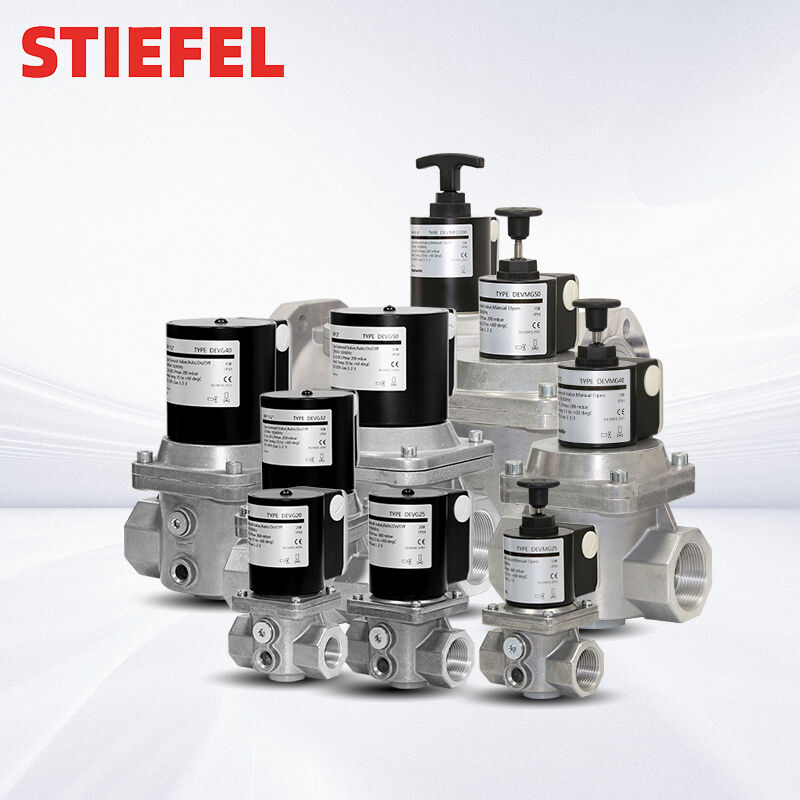
Solenoid valves are critical components in combustion and gas equipment, playing a vital role in controlling the flow of fluids and gases with precision and reliability. A malfunctioning or leaking solenoid valve can disrupt operations, increase energy consumption, and even pose safety risks in industrial settings. Founded in 2013 and headquartered in Guangzhou China, Stiefel is a trusted supplier of high-quality energy-saving combustion and gas equipment, specializing in the research development sales and service of solenoid valves along with other key components such as industrial burners nozzles ignition transformers controllers actuators butterfly valves and gas regulators. With years of industry experience, Stiefel understands the importance of maximizing solenoid valve service life for businesses seeking cost effectiveness and operational stability. In this blog, we share practical maintenance habits and expert tips to help you extend the service life of your solenoid valves and ensure leak free operation for hours on end.
Understand the Basics of Solenoid Valve Wear and Tear
Before diving into maintenance habits, it is essential to understand the common causes of solenoid valve wear and tear. Solenoid valves operate by using an electromagnetic coil to control a plunger which opens or closes the valve port. Over time, various factors can degrade the valve’s performance leading to leaks reduced response time and eventual failure. Recognizing these factors is the first step in implementing effective maintenance strategies.
Contamination in Fluid or Gas Systems
One of the most frequent causes of solenoid valve damage is contamination in the fluid or gas passing through the valve. Dirt dust rust particles and other debris can clog the valve port scratch the plunger or damage the seal rings. This contamination not only affects the valve’s ability to open and close properly but also leads to leaks and increased friction between moving parts. In combustion systems where solenoid valves control gas flow, even small contaminants can compromise the valve’s integrity and pose safety hazards. Stiefel recommends regular inspection of the fluid and gas lines connected to solenoid valves to prevent contamination buildup.
Improper Operating Pressure and Temperature
Solenoid valves are designed to operate within specific pressure and temperature ranges. Exceeding these ranges can cause significant wear and tear over time. High pressure can strain the valve body and seal rings leading to deformation and leaks while low pressure may prevent the plunger from functioning correctly. Similarly, extreme temperatures can damage the electromagnetic coil degrade the insulation and affect the flexibility of the seal materials. For example, in industrial burners where solenoid valves are exposed to high temperatures, using valves rated for the appropriate temperature range is crucial. Stiefel’s solenoid valves are engineered to withstand the harsh operating conditions of combustion and gas equipment ensuring durability even under varying pressure and temperature levels.
Mechanical Wear of Internal Components
The internal components of a solenoid valve such as the plunger spring and seal rings experience regular mechanical wear with repeated use. The plunger may become worn or bent over time reducing its ability to form a tight seal when closed. The spring which controls the plunger’s movement can lose tension leading to slow or inconsistent valve operation. Seal rings made of rubber or other elastomers can degrade due to age exposure to chemicals or high temperatures resulting in leaks. Regular maintenance helps identify early signs of mechanical wear allowing for timely replacement of worn components before they cause valve failure.
Daily Maintenance Habits for Leak Free Solenoid Valves
Implementing daily maintenance habits is key to extending the service life of solenoid valves and ensuring leak free operation. These simple yet effective practices require minimal time and resources but can significantly reduce the risk of valve malfunction and costly downtime.
Regular Cleaning to Remove Contamination
Cleaning is one of the most important maintenance tasks for solenoid valves. Depending on the application, solenoid valves should be cleaned at regular intervals to remove any accumulated dirt debris or residue. For valves used in gas systems, a soft brush or compressed air can be used to clean the valve port and surrounding areas. For valves in fluid systems, disassembling the valve and cleaning the internal components with a mild detergent or solvent may be necessary. It is important to avoid using harsh chemicals that can damage the seal rings or other internal parts. Stiefel provides detailed cleaning instructions for its solenoid valves to help users maintain optimal performance.
Routine Inspection for Visible Damage
A daily visual inspection of solenoid valves can help identify potential issues before they escalate. Check the valve body for signs of corrosion cracks or damage. Inspect the electrical connections to ensure they are tight and free from damage or corrosion as loose connections can cause the electromagnetic coil to overheat. Look for any signs of leaks around the valve port or seal areas. If a leak is detected, turn off the fluid or gas supply immediately and address the issue. Regular visual inspections also help ensure that the valve is operating smoothly with no unusual noises or vibrations.
Proper Lubrication of Moving Parts
Lubrication is essential for reducing friction between the moving parts of a solenoid valve such as the plunger and valve stem. Using the correct type of lubricant can extend the life of these components and ensure smooth operation. It is important to choose a lubricant that is compatible with the fluid or gas passing through the valve and the materials used in the valve’s construction. Over lubrication should be avoided as excess lubricant can attract dirt and debris leading to contamination. Stiefel recommends using high quality lubricants specifically designed for solenoid valves to achieve the best results.
Keep the Valve Environment Dry and Clean
Solenoid valves are sensitive to moisture and dust which can damage the electromagnetic coil and internal components. Keeping the area around the valve dry and clean is essential for preventing corrosion and contamination. If the valve is installed in a humid or dusty environment, consider using a protective cover to shield it from the elements. Ensure that the fluid or gas lines are properly sealed to prevent moisture from entering the valve. By maintaining a clean and dry environment, you can significantly reduce the risk of solenoid valve damage and extend its service life.
Periodic Professional Inspection and Calibration
In addition to daily maintenance, periodic professional inspection and calibration are necessary to ensure that solenoid valves continue to operate at peak performance. These inspections should be conducted by trained technicians who have the knowledge and tools to identify hidden issues and make necessary adjustments.
Schedule Regular Pressure and Leak Tests
Pressure and leak tests are critical for verifying the integrity of solenoid valves. These tests should be conducted at least once every six months or more frequently for valves used in high pressure or high temperature applications. During a pressure test, the valve is subjected to its maximum operating pressure to check for leaks or deformation. Leak tests can be performed using a variety of methods such as bubble testing or pressure decay testing. If a leak is detected, the valve should be repaired or replaced immediately. Stiefel offers professional testing services for solenoid valves helping businesses ensure compliance with safety standards and optimal performance.
Calibrate Valve Operation for Optimal Performance
Over time, solenoid valves may become misaligned or calibrated incorrectly leading to reduced performance and increased energy consumption. Calibration involves adjusting the valve to ensure that it opens and closes at the correct times and with the proper force. This helps maintain precise control over fluid or gas flow and prevents unnecessary wear and tear. Trained technicians can use specialized tools to calibrate the valve’s electromagnetic coil and plunger ensuring that it operates within the manufacturer’s specifications. Stiefel’s technical team is available to provide calibration services for its solenoid valves helping users maximize efficiency and extend service life.
Replace Worn Components Promptly
During periodic inspections, any worn or damaged components should be replaced promptly to prevent further damage to the solenoid valve. Common components that may need replacement include seal rings springs plungers and electromagnetic coils. Using high quality replacement parts is essential for ensuring the longevity and performance of the valve. Stiefel offers a wide range of genuine replacement parts for its solenoid valves including seal rings springs and coils ensuring that users can easily find the parts they need to keep their valves operating smoothly.
Choose the Right Solenoid Valve for Long Term Reliability
While proper maintenance is crucial for extending solenoid valve service life, choosing the right valve for your application is equally important. A well selected solenoid valve will be better suited to the operating conditions reducing the risk of premature wear and failure.
Match Valve Specifications to Operating Conditions
When selecting a solenoid valve, it is important to match the valve’s specifications to the operating conditions of your system. Consider factors such as the type of fluid or gas being controlled the operating pressure and temperature ranges and the required flow rate. Choosing a valve that is not rated for your system’s conditions can lead to rapid wear leaks and failure. Stiefel offers a wide range of solenoid valves with varying specifications designed to meet the needs of different combustion and gas equipment applications. Their technical team can help you select the right valve for your specific requirements ensuring long term reliability.
Select High Quality Valves from Trusted Suppliers
The quality of the solenoid valve plays a significant role in its service life and performance. High quality valves are made from durable materials and undergo rigorous testing to ensure reliability and durability. Choosing a trusted supplier like Stiefel ensures that you receive solenoid valves that meet the highest industry standards. Stiefel’s solenoid valves are manufactured using premium materials and advanced production techniques ensuring resistance to wear corrosion and extreme operating conditions. With a focus on energy efficiency and cost effectiveness, Stiefel’s solenoid valves are designed to provide long lasting reliable performance for combustion and gas equipment.
Conclusion
Extending the service life of solenoid valves and ensuring leak free operation requires a combination of proper maintenance habits professional inspections and careful valve selection. By understanding the common causes of wear and tear implementing daily maintenance practices scheduling periodic professional inspections and choosing high quality valves from trusted suppliers like Stiefel, businesses can maximize the reliability and longevity of their solenoid valves. This not only reduces operational costs and downtime but also ensures the safety and efficiency of combustion and gas equipment. Stiefel is committed to supporting global energy saving efforts by providing high quality solenoid valves and comprehensive maintenance guidance. With their years of experience in the combustion and gas equipment field, Stiefel is your trusted partner for all your solenoid valve needs.
Table of Contents
- Understand the Basics of Solenoid Valve Wear and Tear
- Contamination in Fluid or Gas Systems
- Improper Operating Pressure and Temperature
- Mechanical Wear of Internal Components
- Daily Maintenance Habits for Leak Free Solenoid Valves
- Regular Cleaning to Remove Contamination
- Routine Inspection for Visible Damage
- Proper Lubrication of Moving Parts
- Keep the Valve Environment Dry and Clean
- Periodic Professional Inspection and Calibration
- Schedule Regular Pressure and Leak Tests
- Calibrate Valve Operation for Optimal Performance
- Replace Worn Components Promptly
- Choose the Right Solenoid Valve for Long Term Reliability
- Match Valve Specifications to Operating Conditions
- Select High Quality Valves from Trusted Suppliers
- Conclusion