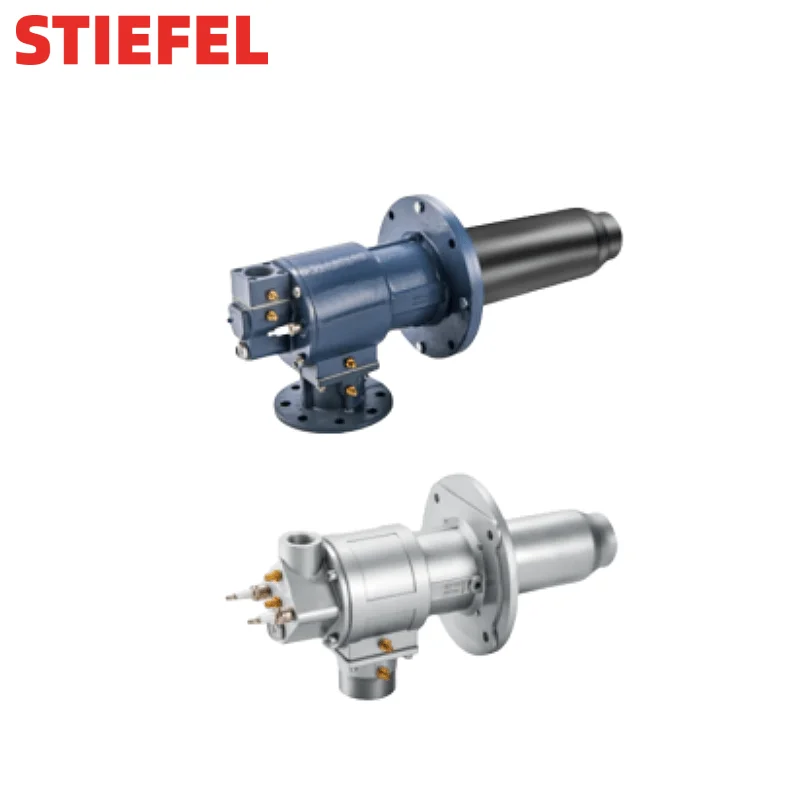
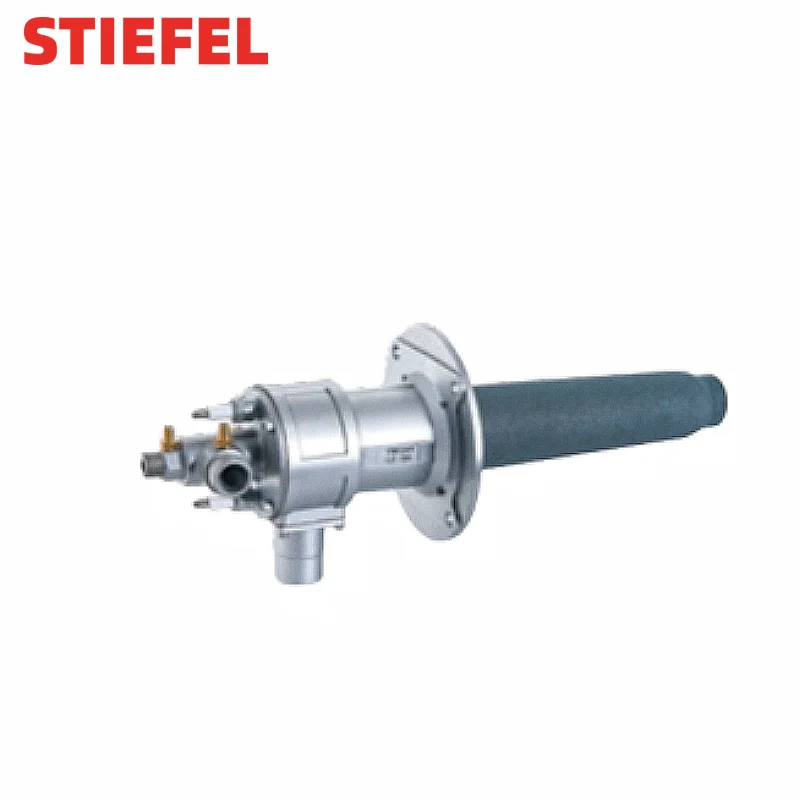
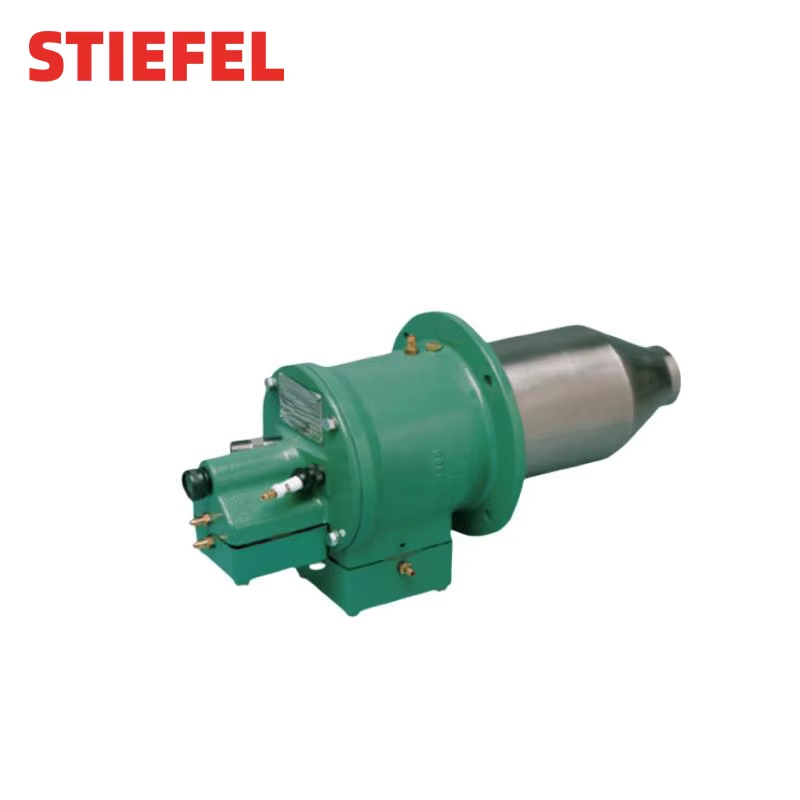
The sustained efficiency, safety, and reliability of an industrial combustion system are intrinsically tied to the performance and condition of its individual components. Beyond the main burner assembly, a network of critical burner accessories performs the specialized functions that enable controlled ignition, stable flame monitoring, precise fuel regulation, and automated safety management. Viewing these burner accessories as mere spare parts underestimates their role; they are the sensory organs, nervous system, and control valves of the entire combustion process. A failure in any one of these key burner accessories can lead to system lockouts, inefficient burning, increased emissions, or in worst-case scenarios, hazardous conditions. Therefore, a strategic approach to selecting, maintaining, and sourcing high-quality burner accessories is a fundamental aspect of professional facility management and combustion system engineering.
The ignition system is one of the most critical clusters of burner accessories. It typically consists of an ignition transformer and one or more electrodes. The transformer steps up the input voltage to create a high-energy spark, while the electrodes position this spark optimally within the burner throat. The specifications of these burner accessories—such as spark energy, voltage output, and electrode material—must be precisely matched to the fuel type and burner geometry to ensure reliable light-off, especially under challenging cold-start conditions. Parallel to ignition is the flame safety system, another vital group of burner accessories. Modern burners utilize flame detectors, either ultraviolet (UV) scanners or ionization rods, to prove the presence of a flame within seconds of ignition. These burner accessories are the system's primary safety device, signaling the controller to keep fuel valves open if a flame is proven, or to initiate an immediate safety shut-down if it is not. The accuracy and response time of these burner accessories are non-negotiable for safe operation.
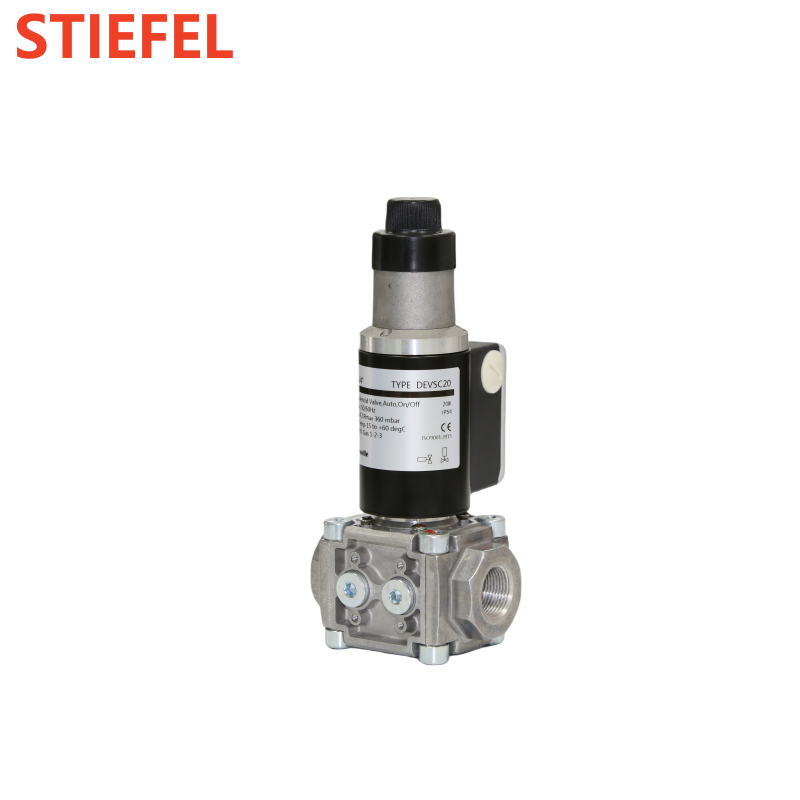
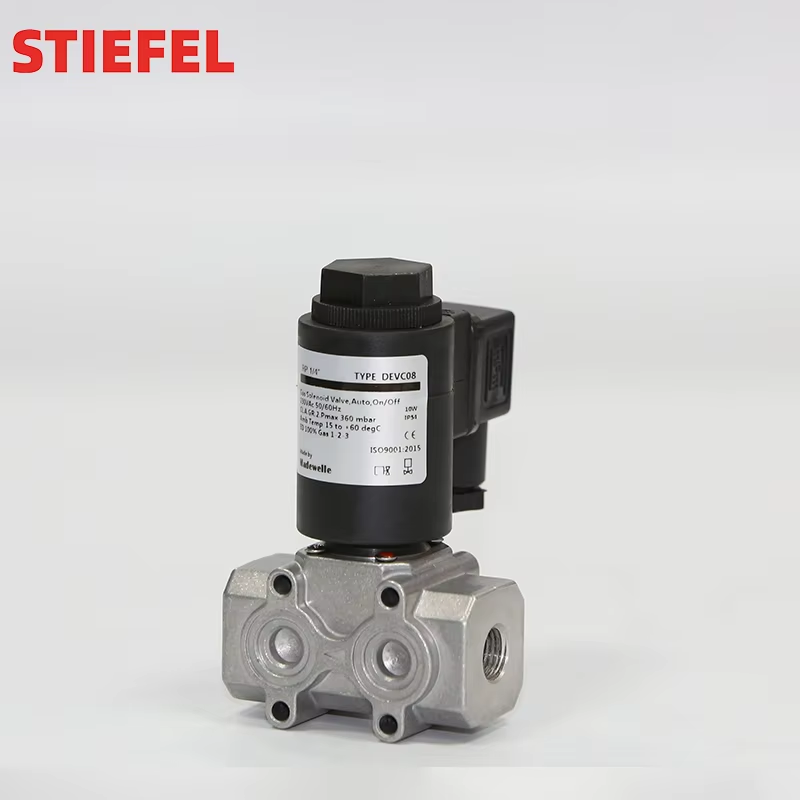
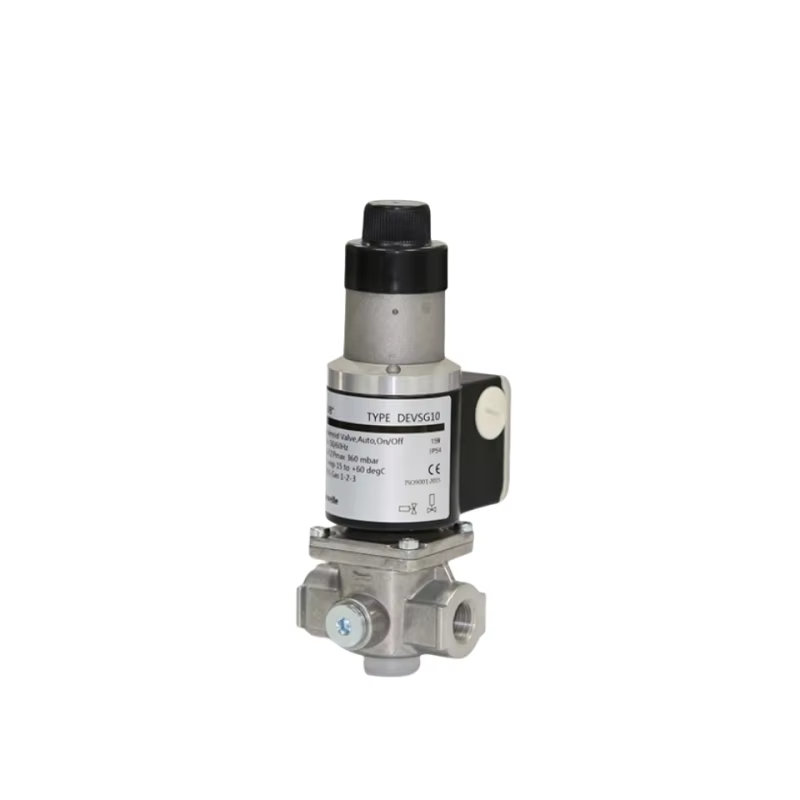
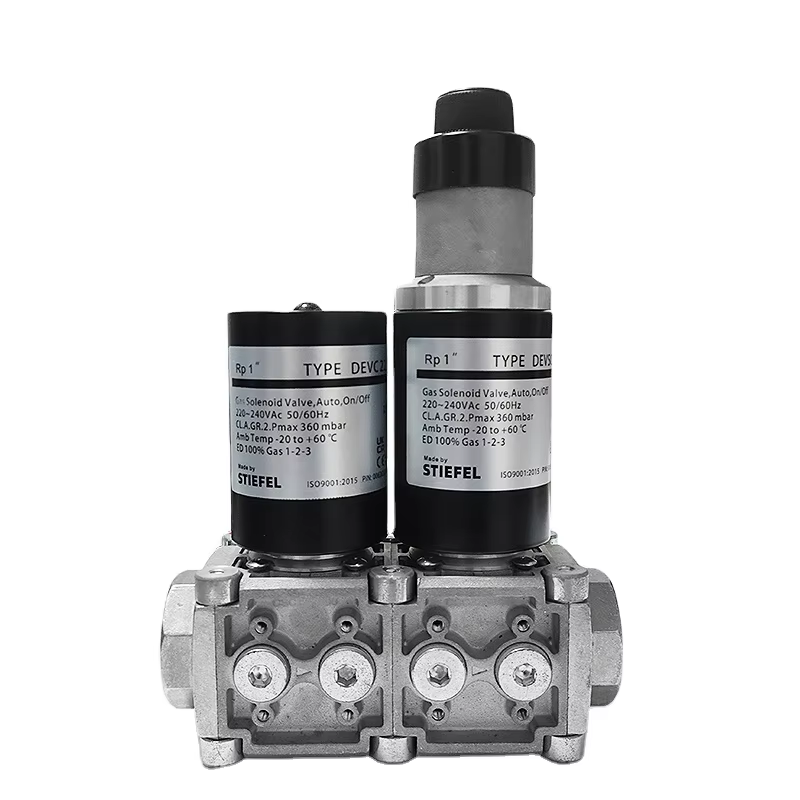
Fuel metering and control represent another extensive category of essential burner accessories. This includes solenoid valves for on/off or proportional gas control, pressure regulators to ensure stable inlet conditions, butterfly valves for air flow management, and specialized nozzles for liquid fuel atomization. The performance of these burner accessories dictates the fundamental air-to-fuel ratio, which is the primary determinant of combustion efficiency and emissions profile. A worn nozzle or a sluggish valve from an inferior set of burner accessories can cause poor atomization, incorrect fuel delivery, and ultimately, inefficient combustion that wastes fuel and increases operational costs. Furthermore, the electronic combustion controller is the central brain that orchestrates all these burner accessories. It runs the start-up sequence, monitors safety parameters, and can modulate outputs for temperature control.
Consider a practical scenario in a mid-sized factory utilizing a package boiler for process steam. The boiler begins experiencing intermittent lockouts on start-up. A technician's investigation might reveal that the spark from the ignition electrode is weak—a sign of a failing transformer or eroded electrode tips, both key burner accessories. Simultaneously, the UV flame scanner's sight glass might be fogged with residue, causing it to miss the flame signal. Replacing these specific, high-quality burner accessories restores reliable ignition and accurate flame detection, eliminating the nuisance shutdowns. In another case, a heat treatment furnace showing increased fuel consumption might trace its issue to a deteriorating gas pressure regulator or a slightly leaking solenoid valve—again, core burner accessories whose performance has drifted over time. Proactive replacement of such burner accessories during scheduled maintenance can preempt efficiency losses.
Selecting the correct burner accessories requires careful attention to technical compatibility. Key parameters include the make and model of the burner or main controller, the fuel type (natural gas, propane, #2 oil, etc.), voltage requirements, thread sizes, and pressure ratings. For optimal results and safety, consulting technical datasheets or working with a knowledgeable supplier is crucial. Providing the OEM part numbers or clear photographs of the existing burner accessories is the most reliable method for ensuring a perfect match and maintaining system integrity.
We encourage maintenance managers, facility engineers, and system integrators to contact our technical sales team for assistance with your burner accessories requirements. To provide you with the most accurate solution, please share details about your burner model, the specific components needed, and your application. Based on this information, we can recommend the optimal burner accessories from our range. For detailed pricing and delivery information, please reach out to us directly with your list of required burner accessories.
 EN
EN