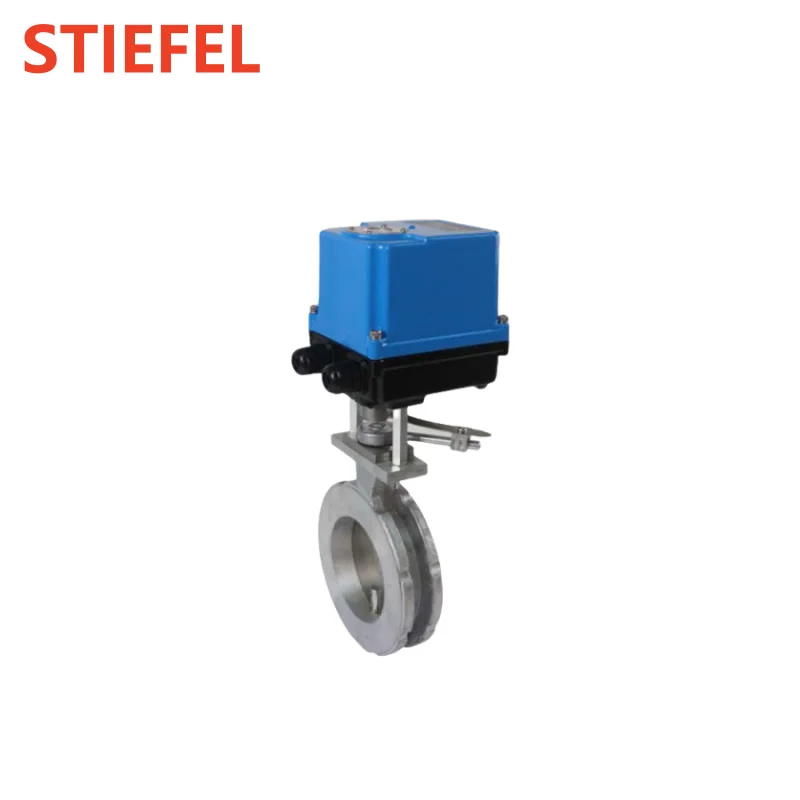
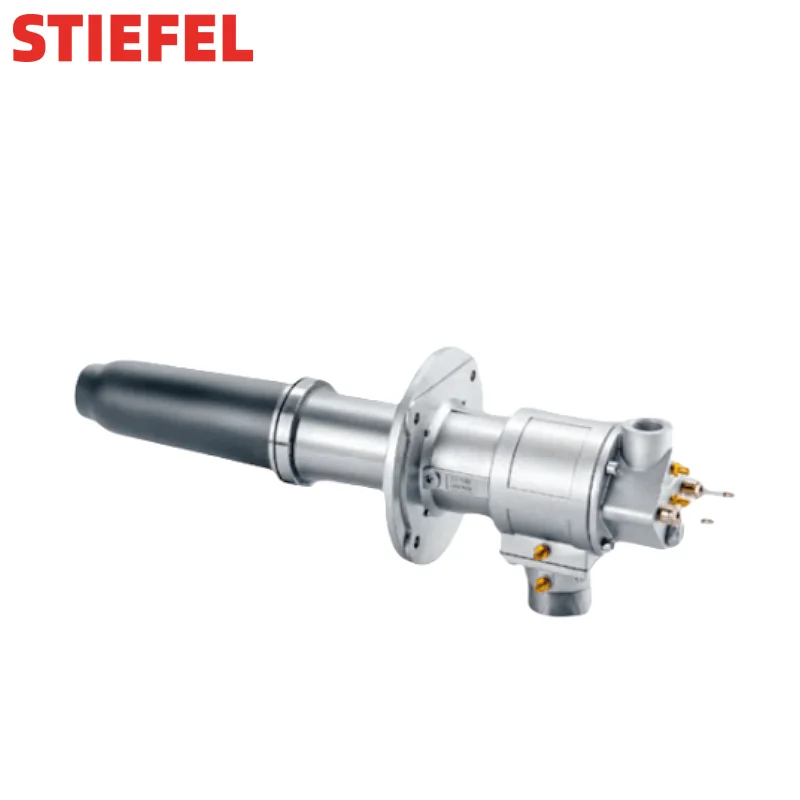
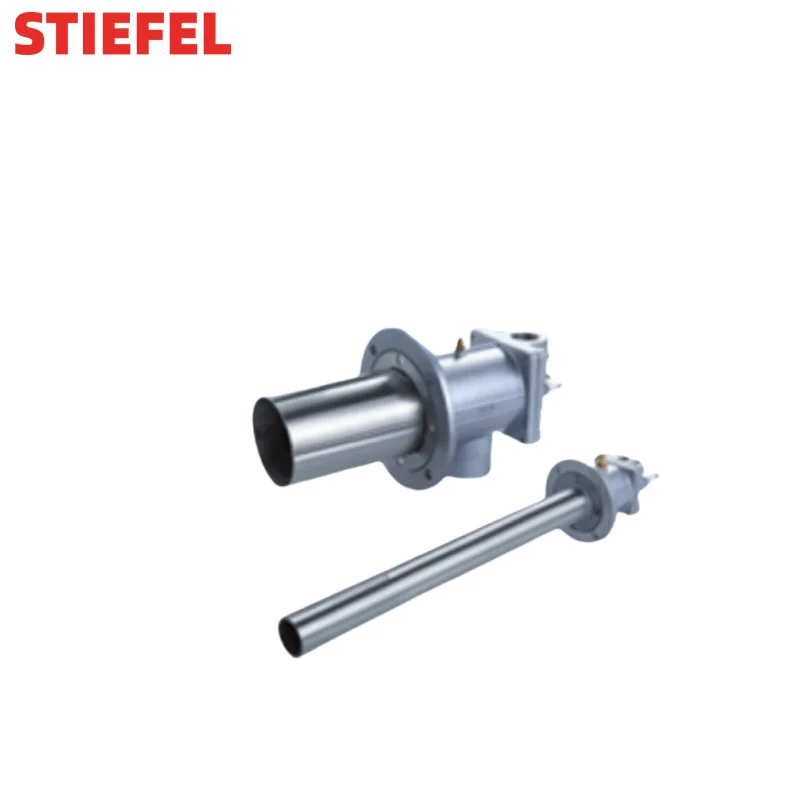
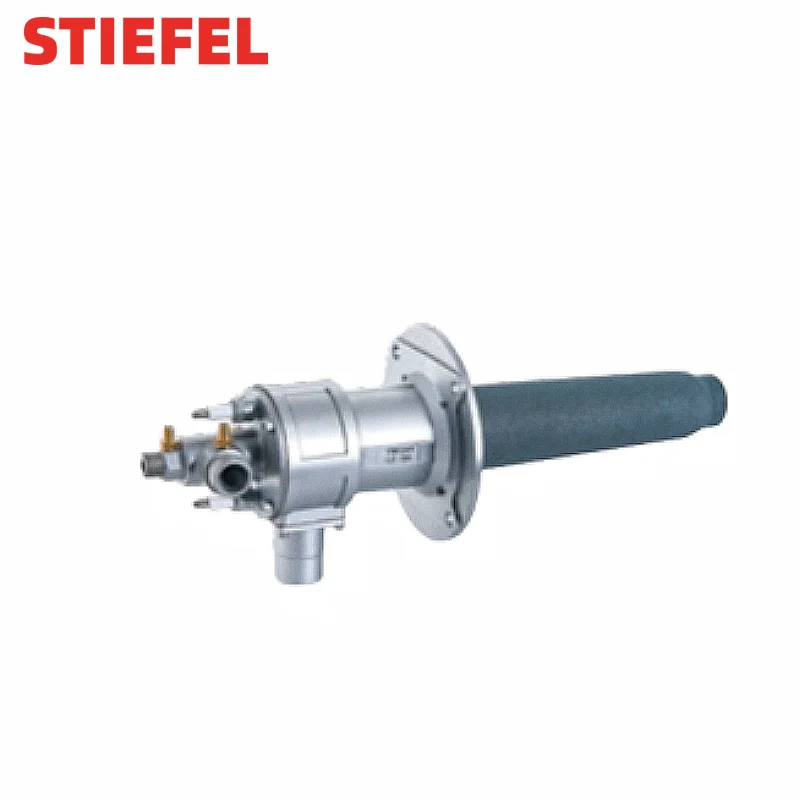
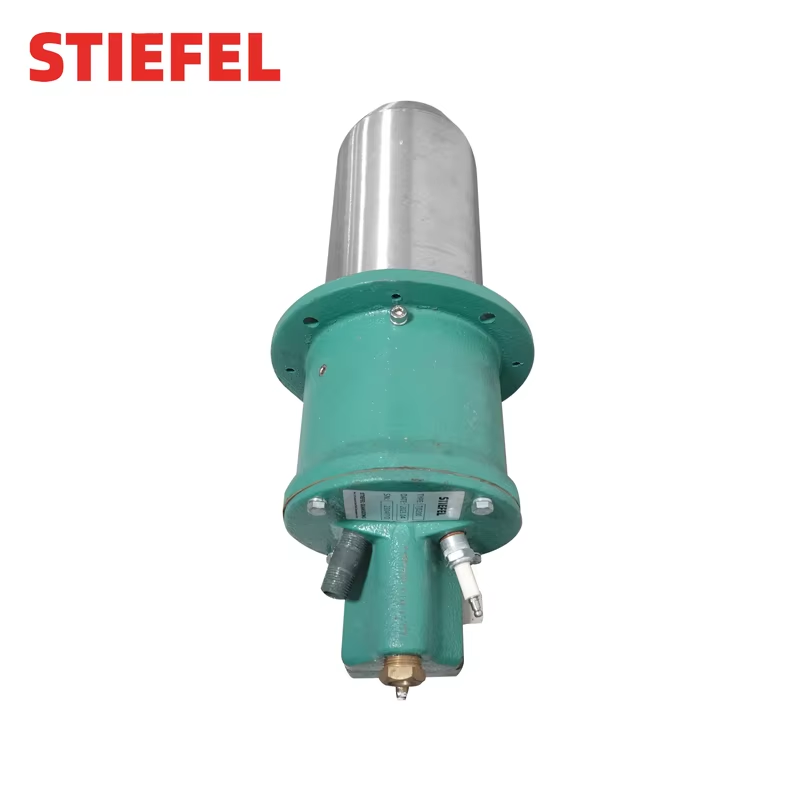
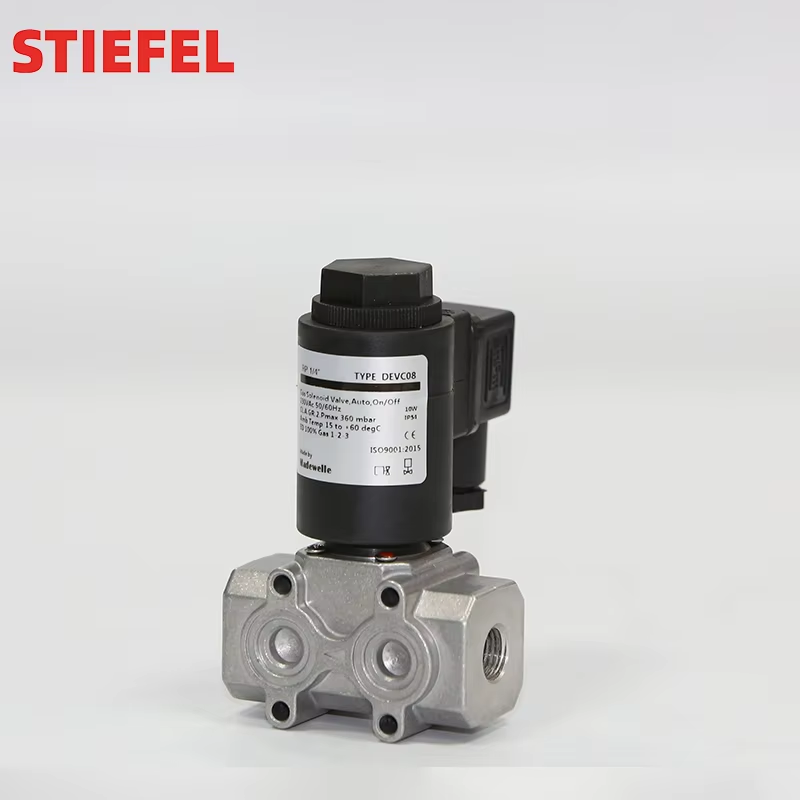
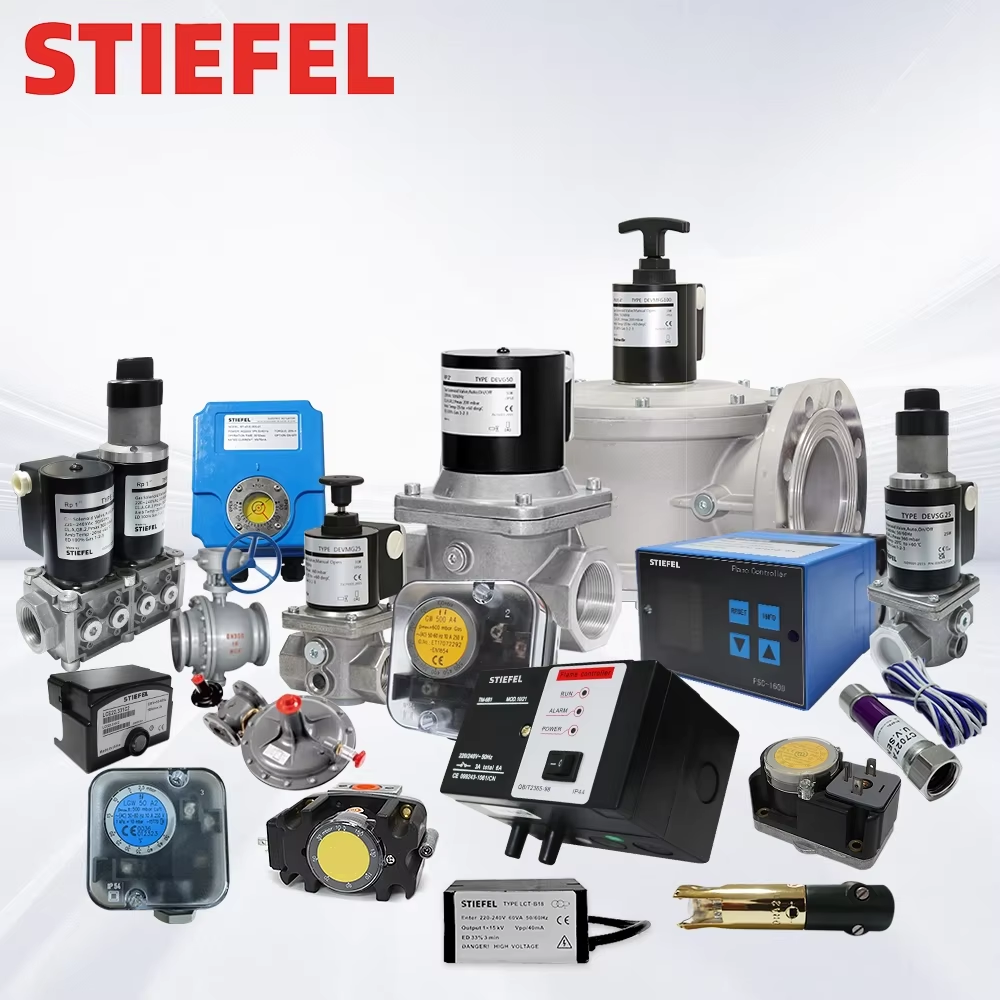
In the realm of industrial combustion, the Gas Burner Solenoid Valve stands as a paramount component of system safety, efficiency, and control. Far more than a simple on/off switch, these electromechanically operated devices are precision-engineered to manage the critical flow of fuel gas—be it natural gas, liquefied petroleum gas (LPG), or manufactured gas—to the burner head. Their primary function is to act as a safety shut-off valve, ensuring gas flows only during proper operating conditions and closes swiftly and reliably upon a shutdown command or safety fault, thereby preventing hazardous gas leakage.
The operational logic of these valves can be tailored to specific burner requirements. For instance, slow-opening (or "soft-start") valves are engineered to open gradually, allowing a small, controlled amount of gas to reach the burner for a stable pilot ignition before the main valve opens fully. This sequence is vital for preventing deflagration (a "bang" at ignition) in applications with larger combustion chambers, such as industrial boilers or thermal oxidizers. Conversely, fast-opening valves provide immediate full gas flow, suitable for systems where rapid response is needed. Regardless of the opening speed, all safety shut-off valves are designed for fast closing, a non-negotiable feature for emergency shutdowns. This capability is rigorously defined and tested under international standards like ISO 23551, which specifies the safety, construction, and performance requirements for these valves.
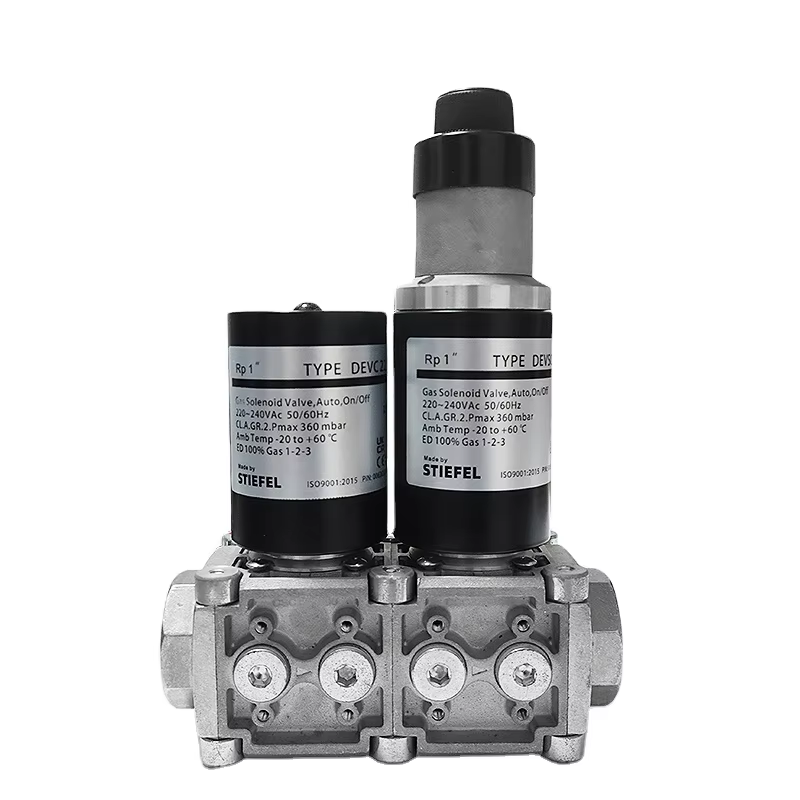
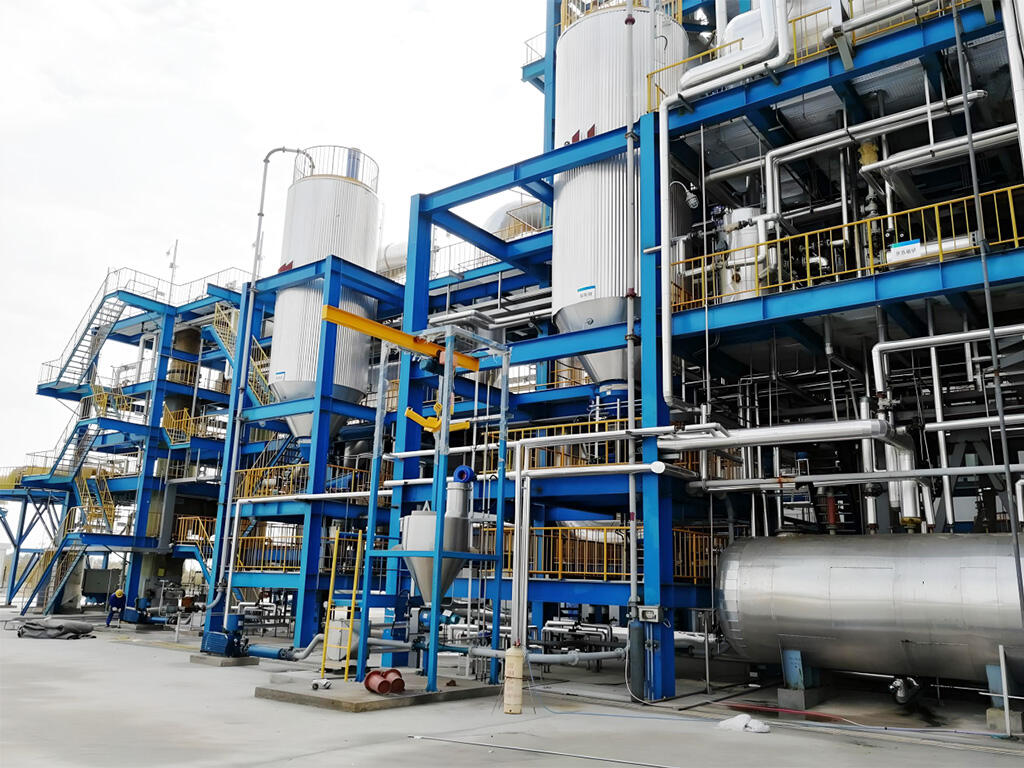
Application scenarios highlight their importance. In a Regenerative Thermal Oxidizer (RTO) used for destroying volatile organic compounds (VOCs) from a rock wool manufacturing plant, the burner's solenoid valves must operate reliably in a high-temperature environment while enabling precise control of the combustion process to ensure complete destruction and meet tough emission standards. Here, a valve like the DEVSG series, built for high-temperature shutoff, would be specified for its durability. In a large grain drying facility, consistent and even heat is crucial for product quality. The solenoid valves work in concert with advanced burner controllers to modulate fuel input, directly impacting temperature uniformity across the drying bed—a factor that can lead to repeat orders when performance is superior.
Selecting the correct valve involves several technical considerations: the maximum operating pressure of your gas train (e.g., 500 mbar for standard systems), the required flow coefficient (Cv) to support the burner's BTU rating, the voltage of your control circuit (commonly 12V DC or 24V DC), and the environmental conditions like ambient temperature and potential exposure to dust or moisture, indicated by an IP (Ingress Protection) rating such as IP54. Furthermore, compatibility with various gas types and adherence to regional appliance safety standards are mandatory. For precise specifications, compatibility with your existing burner controller, and detailed pricing for your project's volume, we strongly advise you to contact our technical sales team directly. They can provide tailored recommendations from our DEVD, DEVSG, and multifunctional combination system product lines to ensure optimal integration into your application.
 EN
EN