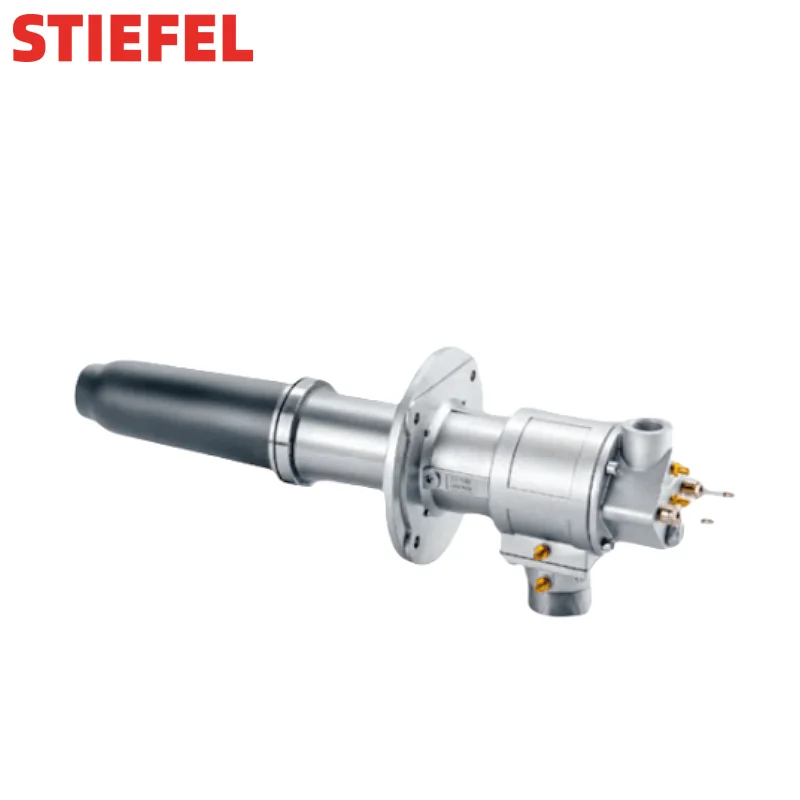
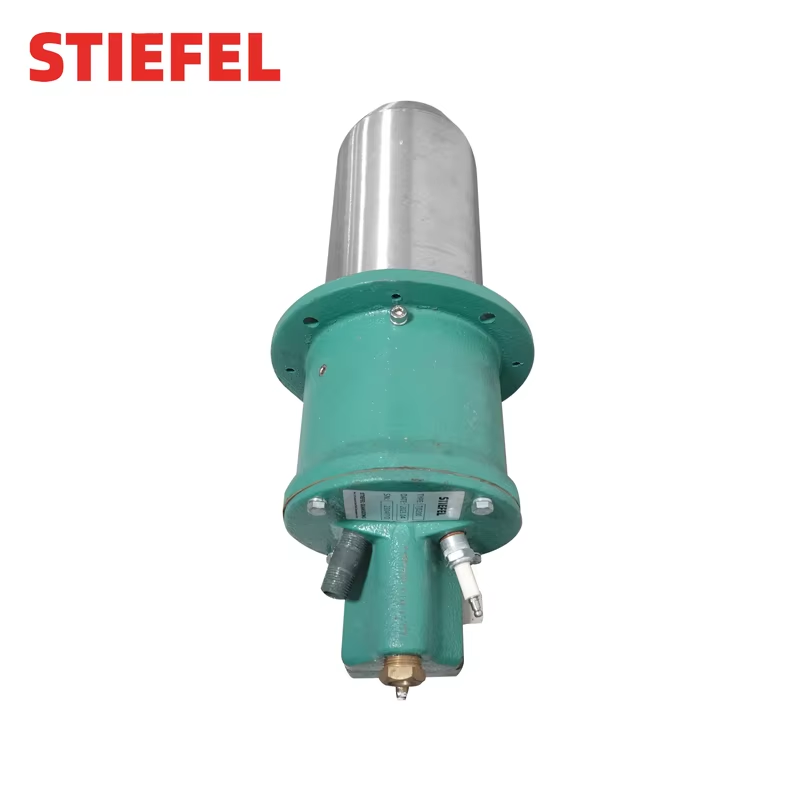
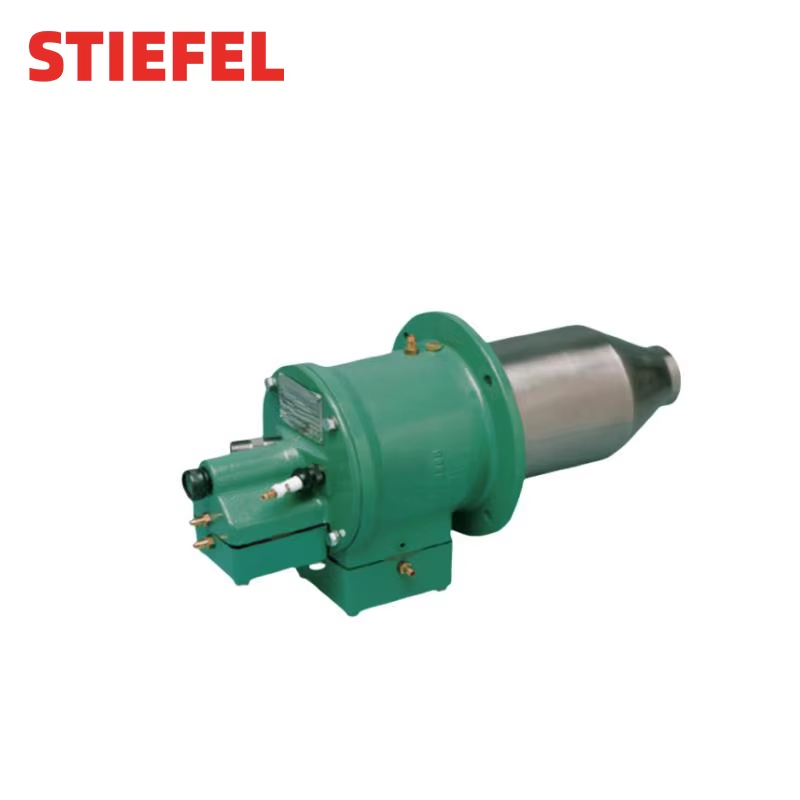
In today's dynamic industrial landscape, operational continuity and cost management are paramount. A primary vulnerability for many thermal processes is reliance on a single fuel source. Supply chain disruptions, price volatility, or regional infrastructure limitations can pose significant risks. This is where the strategic implementation of a Duel Fuel Gas Burner becomes a critical asset. Specifically engineered to operate on two distinct fuel types—typically natural gas (or LPG) and light fuel oil—these burners provide an indispensable layer of operational resilience and economic agility.
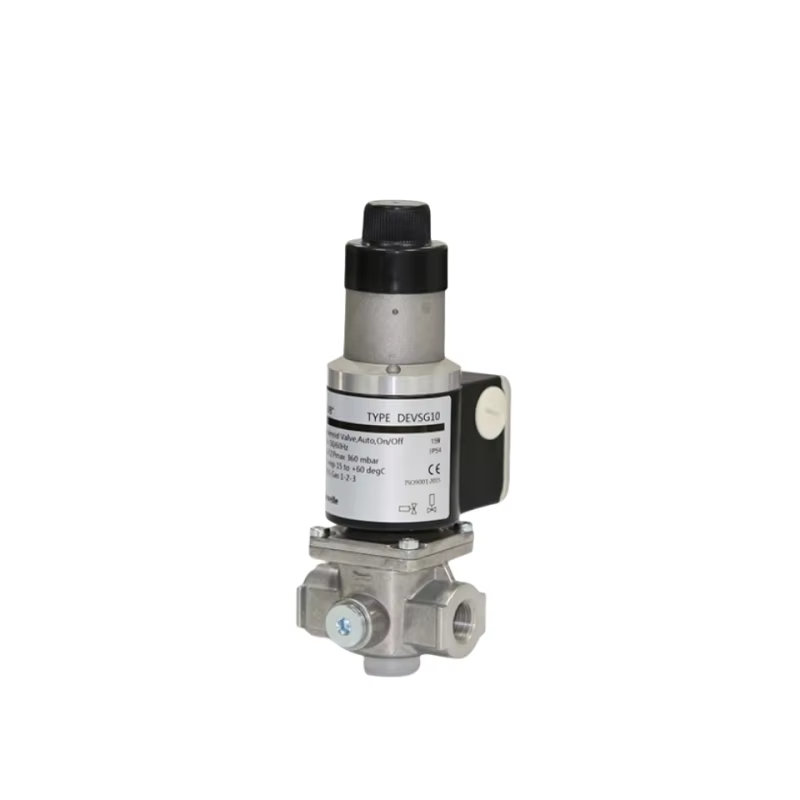
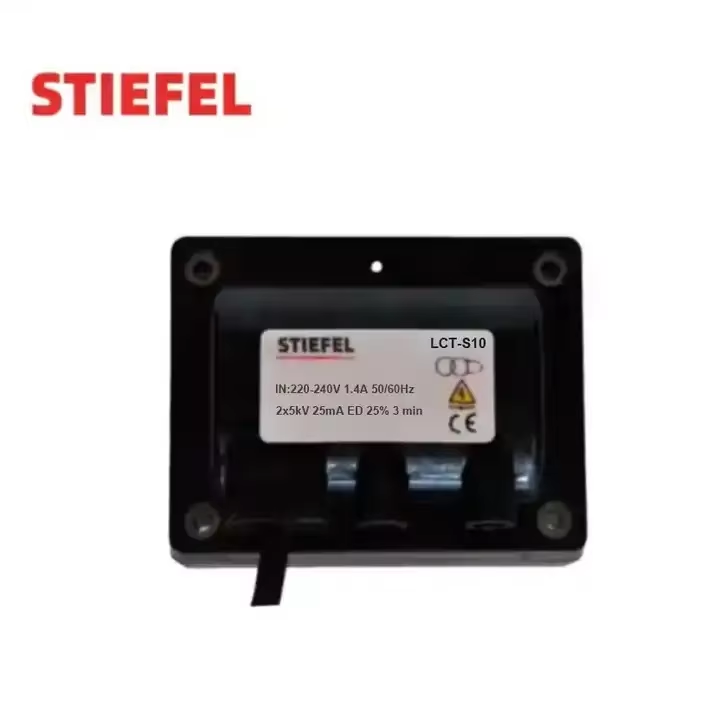
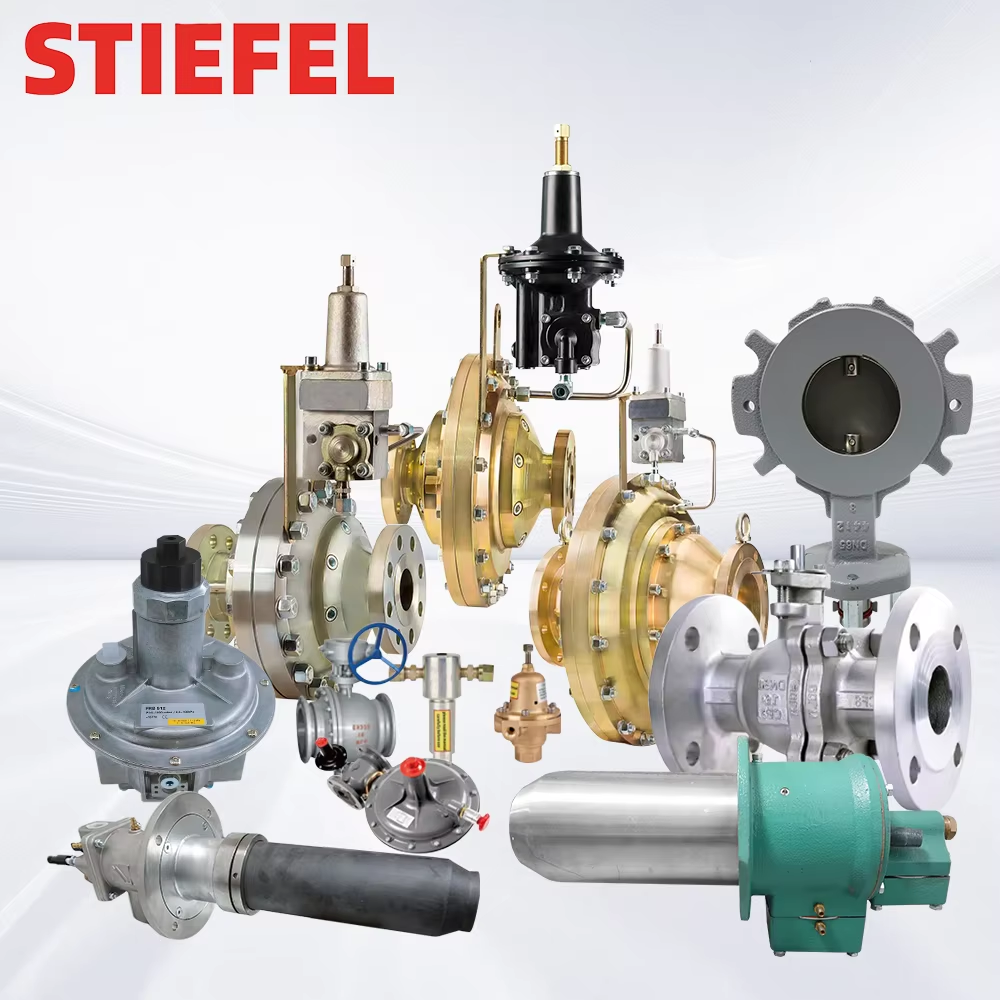
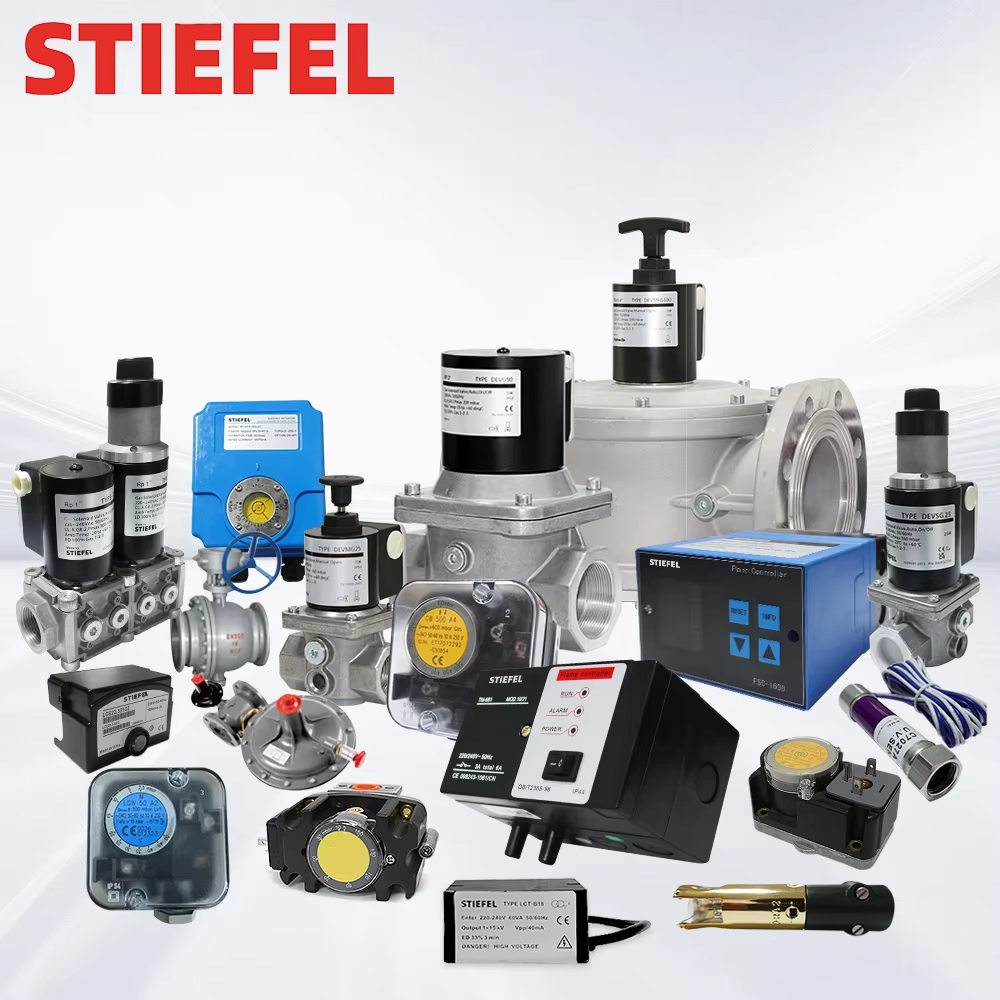
At Stiefel Combustion, our approach to dual-fuel technology is rooted in deep system integration. A duel fuel gas burner is not merely a standard burner with two fuel lines; it is a sophisticated combustion system. The core challenge lies in managing the vastly different properties of gaseous and liquid fuels—such as viscosity, calorific value, and combustion kinetics—to achieve stable, efficient, and clean burning for both. Our solutions address this through precision-engineered components. For the gas train, we utilize our own high-flow, fast-acting solenoid valves paired with accurate gas pressure regulators to ensure consistent supply. For the oil line, specialized nozzles atomize the oil into a fine mist, while integrated pumps and filters maintain optimal pressure and purity. The heart of the system is an advanced programmable controller. This unit not only manages the ignition sequence and flame monitoring via UV or ionization probes but also orchestrates the complete fuel changeover process. It purges the lines, controls valve sequencing, and adjusts air ratios automatically, ensuring a safe transition without flame failure or dangerous fuel accumulation.
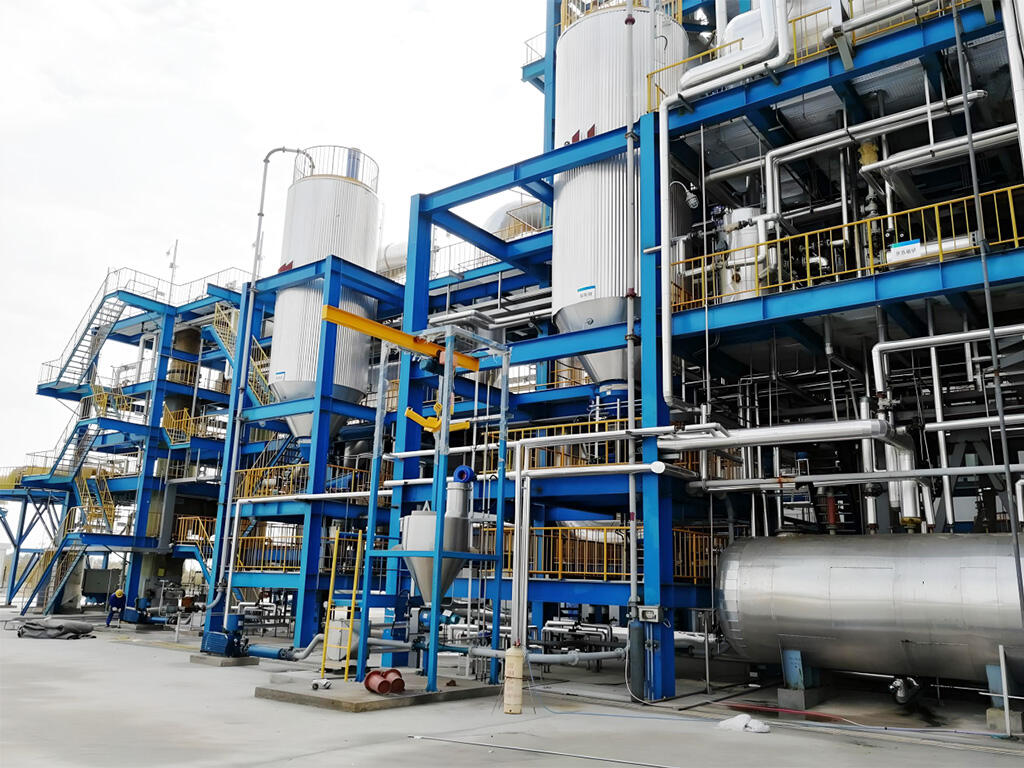
The application scenarios for such flexible technology are extensive. Consider an industrial boiler plant in a region where natural gas prices are favorable in summer but spike in winter. With a Stiefel dual fuel burner, the facility can automatically or manually switch to oil during peak gas pricing, optimizing energy costs year-round. In remote locations where the gas pipeline network is unreliable, oil serves as a dependable backup, preventing costly production halts. Furthermore, industries like ceramics, metal processing, or food production that utilize thermal oxidizers or process heaters can safeguard against unforeseen fuel interruptions, ensuring continuous compliance with environmental and production schedules.
Investing in a dual-fuel system also future-proofs your operations. As energy markets evolve and regulations on emissions tighten, the ability to choose the most economical and compliant fuel at any given time provides a strategic advantage. Our burners are designed with this adaptability in mind, allowing for potential tuning or upgrades to accommodate future fuel specifications or efficiency standards. The initial investment is strategically offset by the long-term savings from avoided downtime, optimized fuel procurement, and sustained process efficiency. For specific pricing and a detailed technical proposal tailored to your boiler or furnace specifications, we encourage you to contact our engineering team directly. We will analyze your application to recommend the optimal duel fuel gas burner configuration, ensuring it meets your precise thermal, spatial, and operational requirements.
 EN
EN