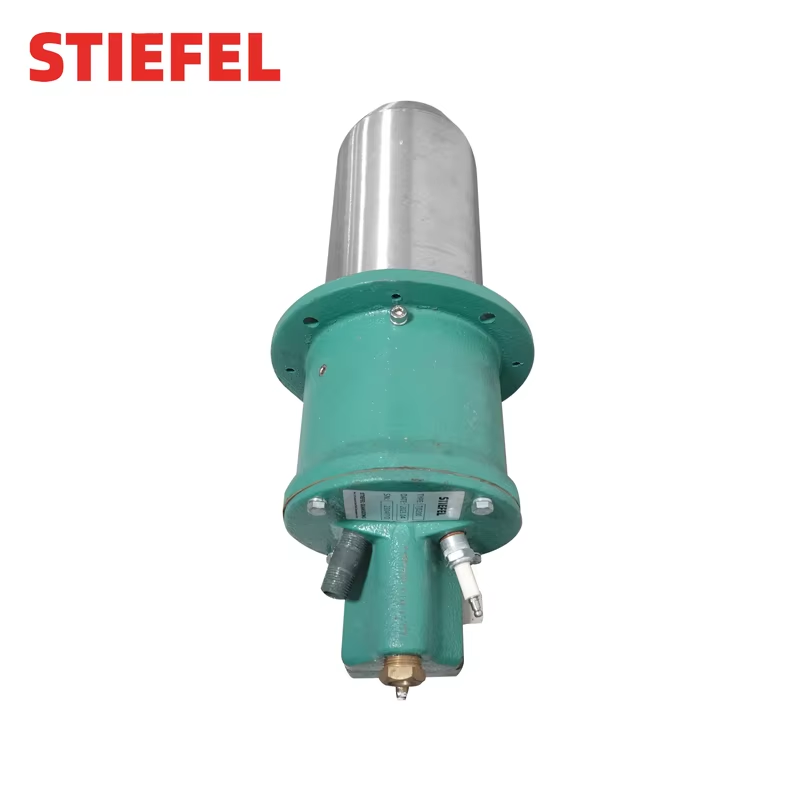
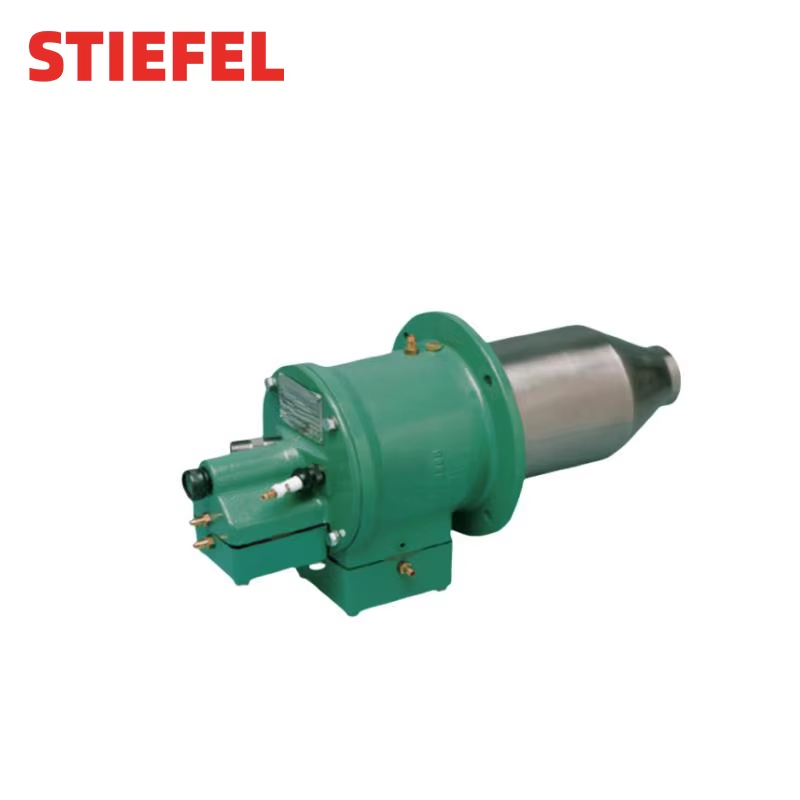
In today's industrial landscape, the demand for thermal energy must be balanced with equally pressing requirements for environmental responsibility, operational cost control, and system reliability. The high-quality gas burner sits at the critical intersection of these demands, transforming from a simple heat source into a sophisticated component of sustainable production. At STIEFEL, we define a high-quality gas burner not merely by its materials, but by its integrated performance in achieving ultra-low emissions, maximizing fuel utilization, and ensuring unwavering operational stability under variable industrial loads.
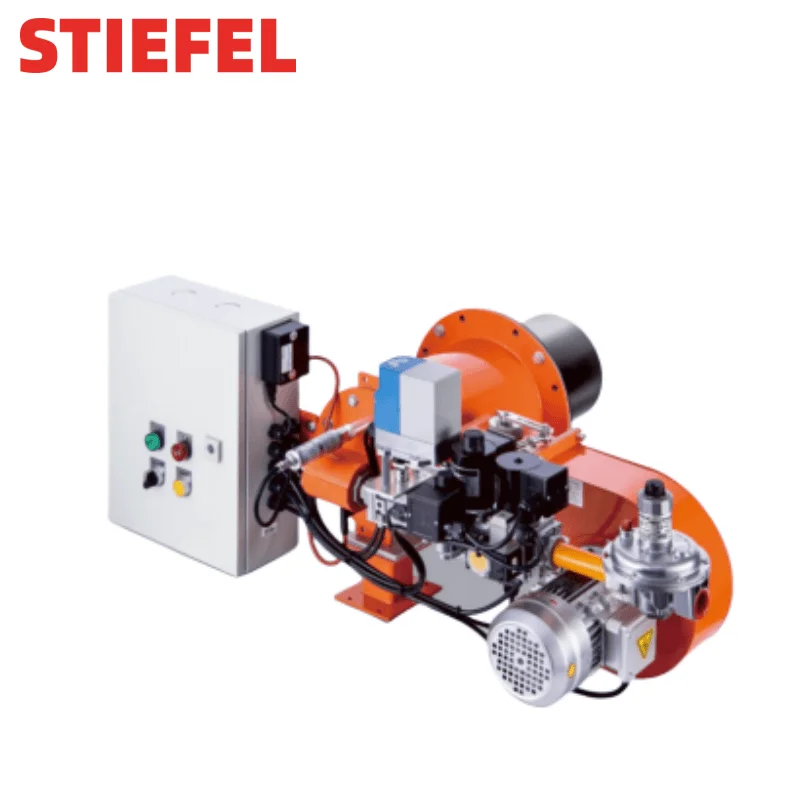
The technological imperative is clear, particularly regarding emissions. Regions worldwide are implementing stringent limits on nitrogen oxides (NOx), a major pollutant from combustion. For instance, Guangdong Province, China, has mandated NOx emissions from gas boilers to be under 50mg/m³ by 2025 . Meeting such standards with outdated burner technology is impossible. This is where advanced, high-quality burners like STIEFEL's FIR series become essential. They employ Flue Gas Internal Recirculation (FIR) technology, a design that meticulously recirculates cooler inert gases back into the combustion zone. This process lowers peak flame temperatures—the primary generator of thermal NOx—while maintaining complete combustion. The result is a consistent, stable flame that produces heat efficiently while reducing NOx outputs to 30mg/m³ or lower, providing a compliance safety margin and contributing directly to cleaner air .
Beyond environmental compliance, the economic argument for investing in high-quality gas burners is compelling. The core of operational savings lies in exceptional combustion efficiency, which for our optimized FIR burners exceeds 99.9% . This near-total fuel conversion minimizes waste, directly reducing natural gas consumption. Case studies from large-scale commercial applications demonstrate this impact. Major hotels, such as the Poly Intercontinental in Guangzhou, have retrofitted their steam boiler plants with our 4-ton ultra-low nitrogen FIR burners. The project aimed not only to meet emissions standards but also to achieve lower energy costs—a goal reached through the burner's inherent efficiency . Furthermore, high-quality construction with precisely calibrated control systems, including programmable logic controllers (PLC) and electronic proportional regulators, reduces maintenance frequency and complexity. This standardization lowers lifecycle costs and mitigates the risk of unplanned downtime, a critical factor for continuous processes .
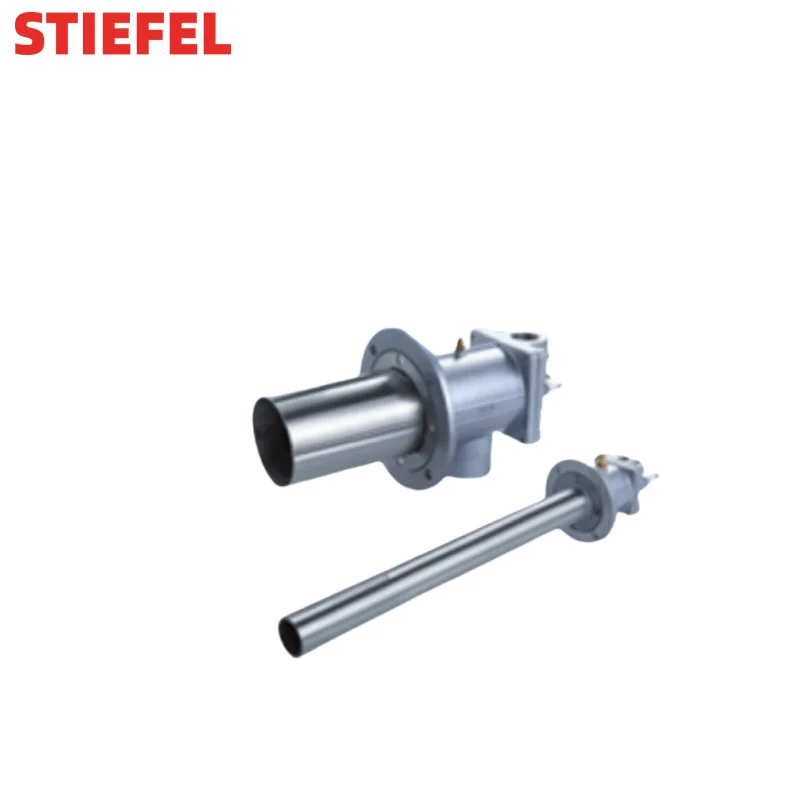
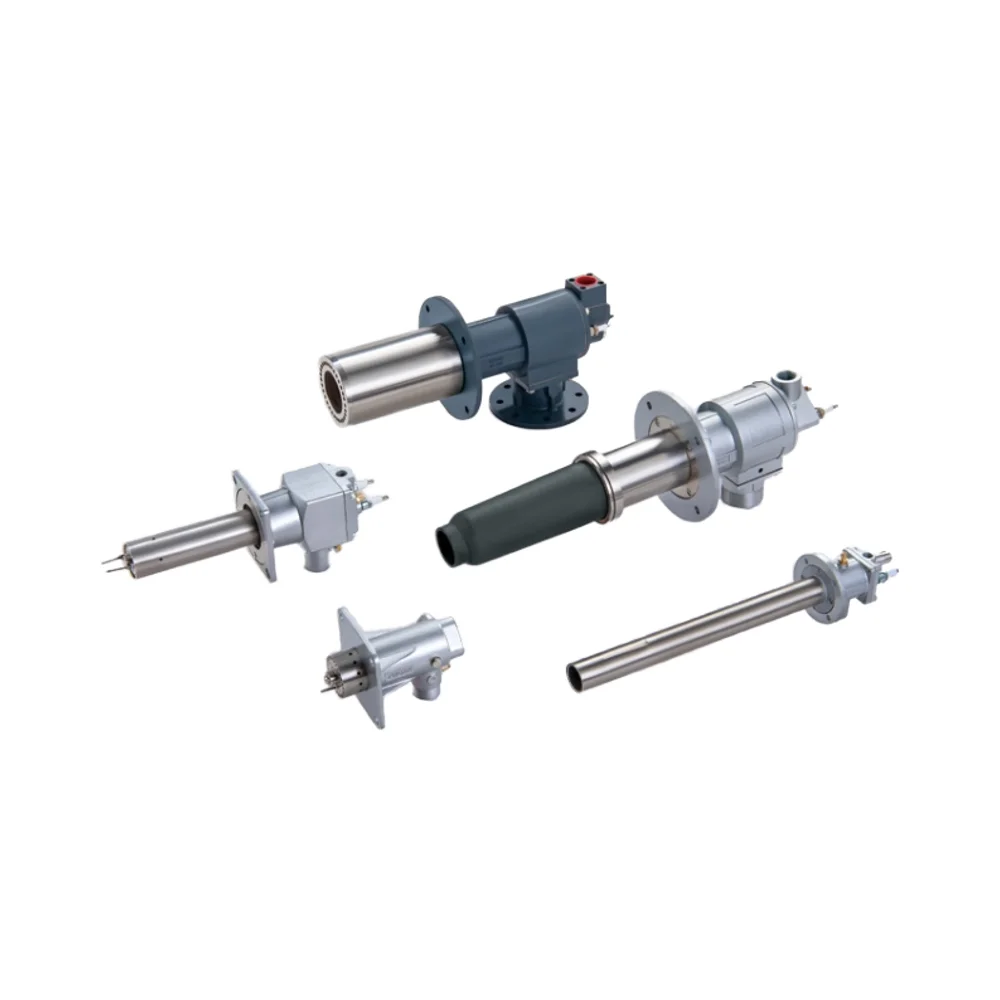
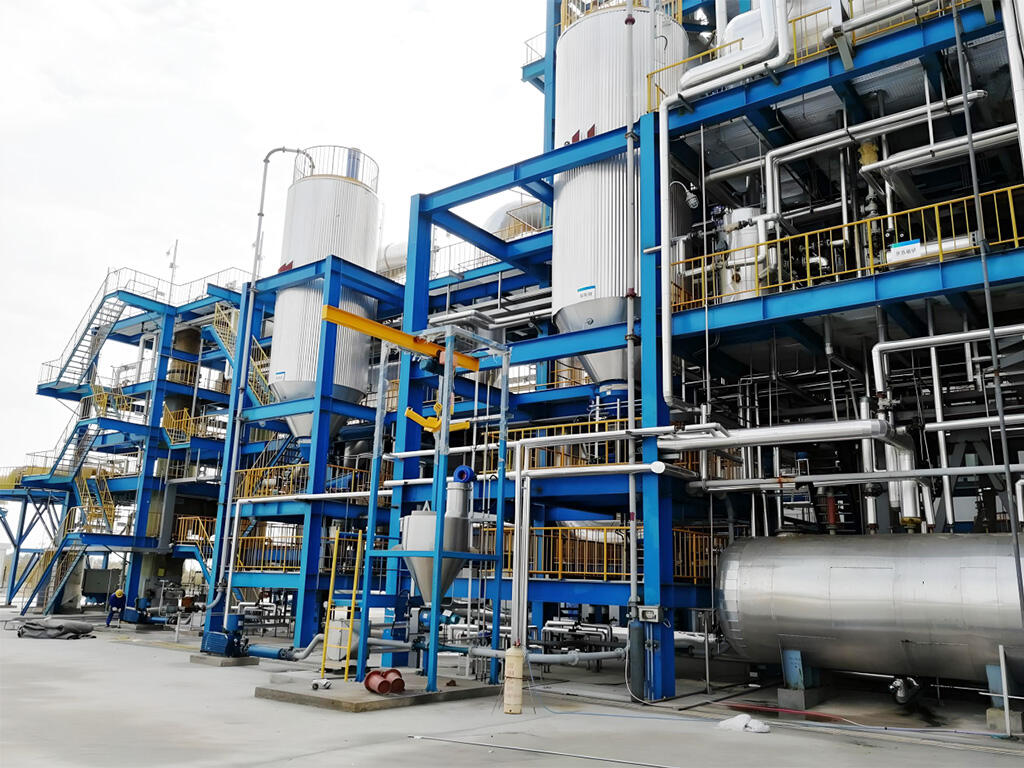
The application scope for these advanced burners is vast and critical. In industrial manufacturing, they are the heart of steam and hot water boilers, providing process heat for sectors from food and beverage to textiles and automotive parts . In environmental engineering, their role is pivotal. Specialized direct-fired high-quality gas burners are deployed within Regenerative Thermal Oxidizers (RTOs) to destroy volatile organic compounds (VOCs) and hazardous air pollutants from industrial exhaust streams. As documented in a rock wool manufacturing project, STIEFEL burners provided the reliable, high-temperature combustion necessary to ensure complete waste gas destruction, enabling the plant to meet tough emission standards . Similarly, they serve in municipal and industrial waste incineration projects, where consistent and controllable heat is paramount for safe and efficient volume reduction .
Therefore, selecting a high-quality gas burner is a strategic decision with long-term implications for regulatory compliance, operational economics, and production reliability. It is an investment in a core system that performs silently yet powerfully, turning fuel into controllable, clean, and cost-effective thermal energy. For industries seeking to modernize their thermal infrastructure, the path forward involves partnering with specialists who understand both the combustion science and the practical demands of industrial application.
 EN
EN