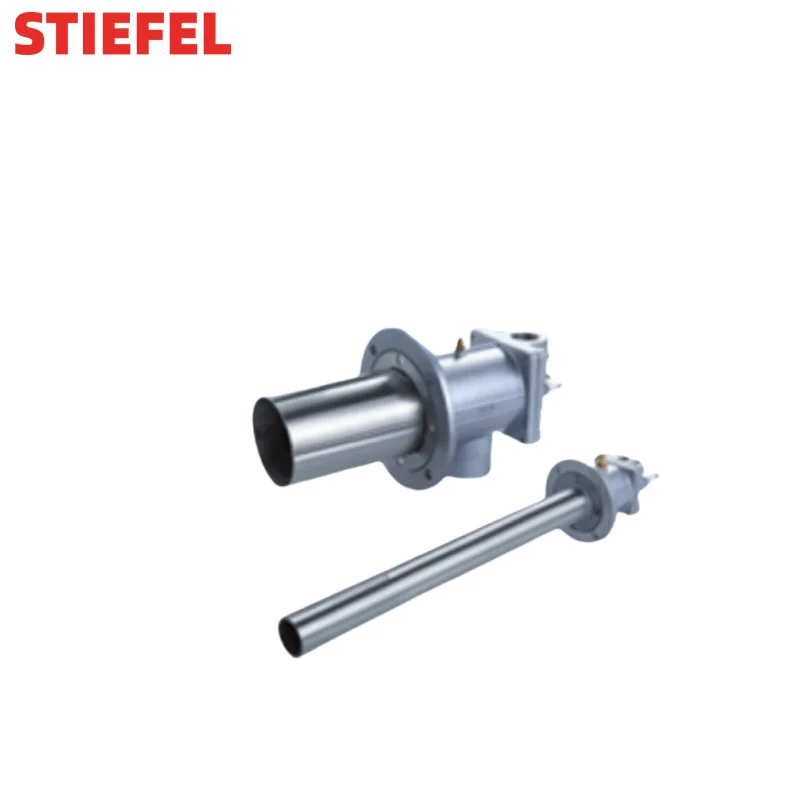
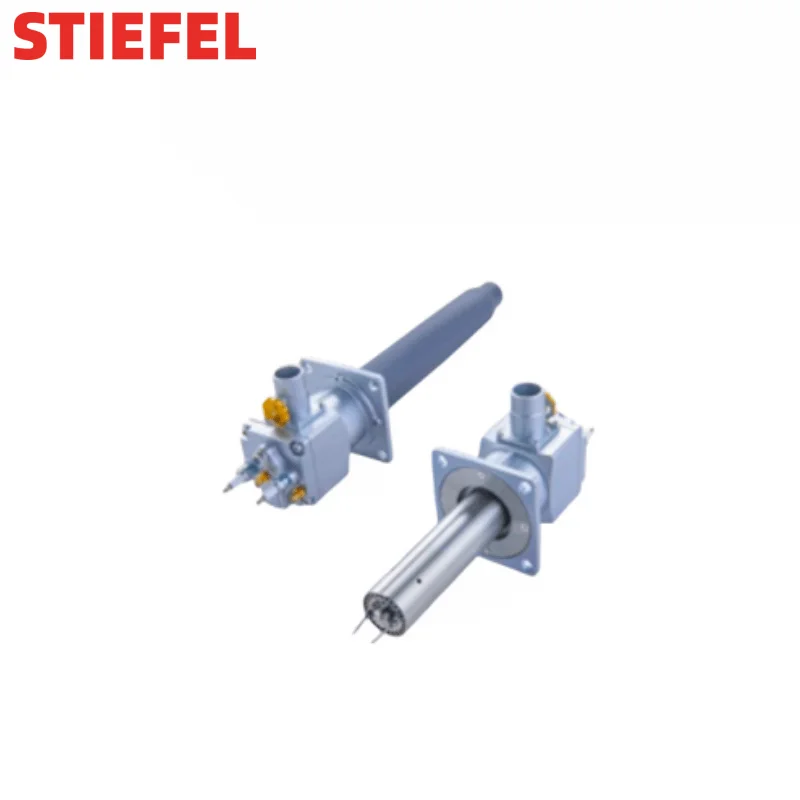
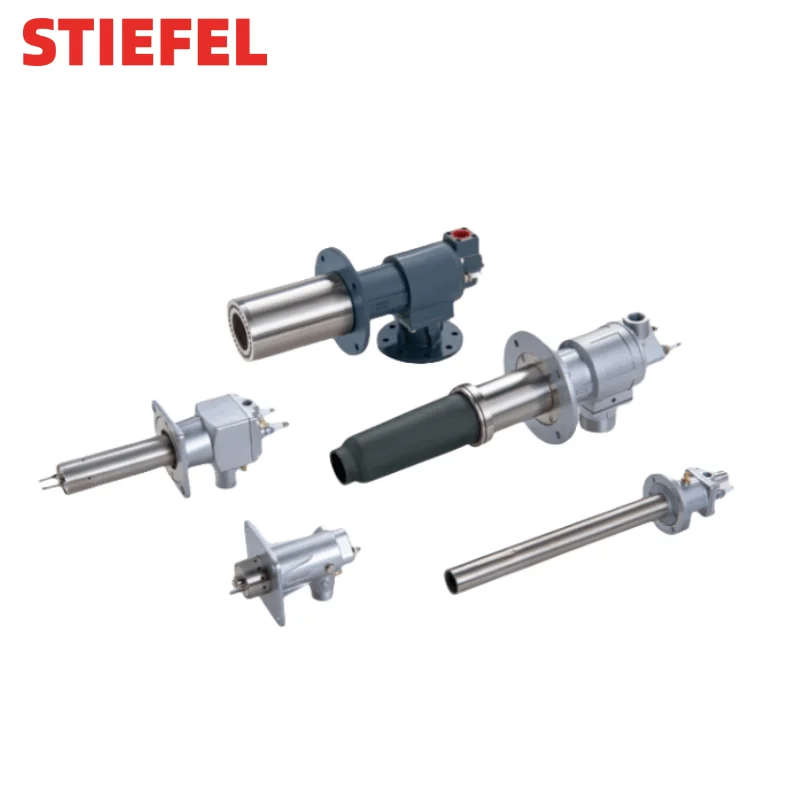
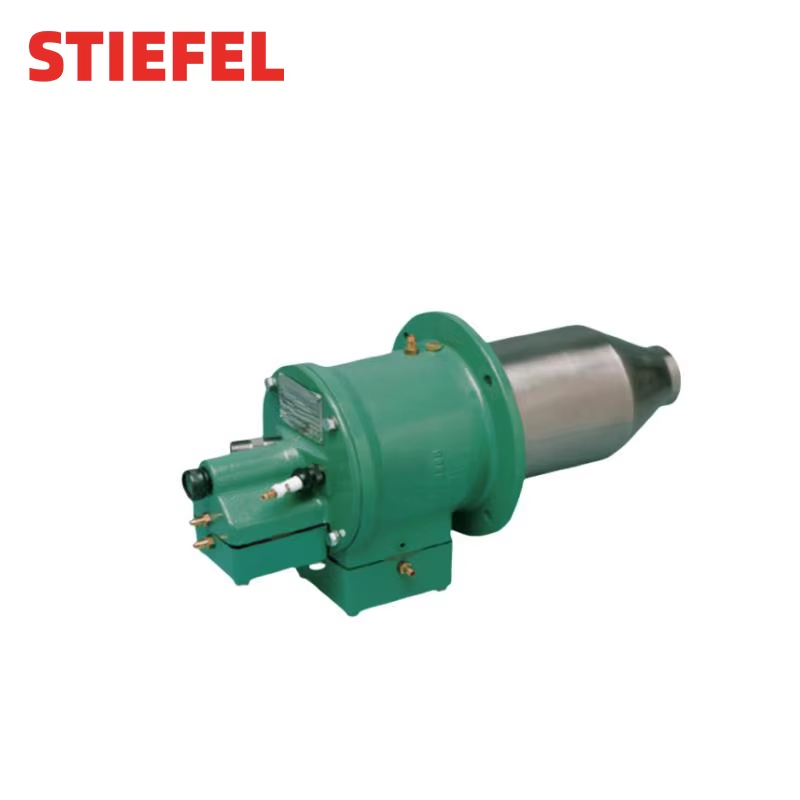
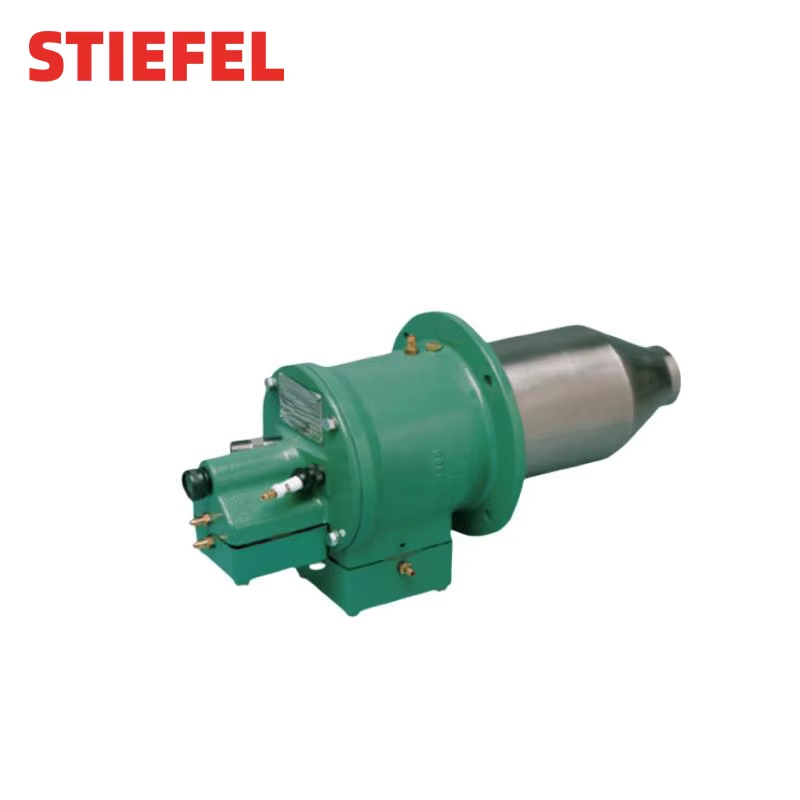
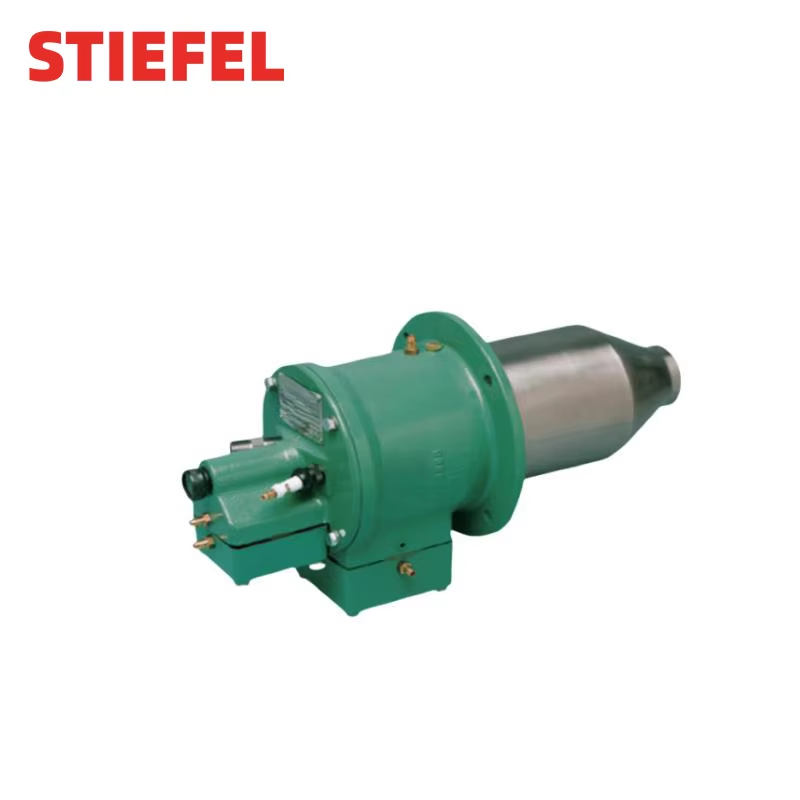
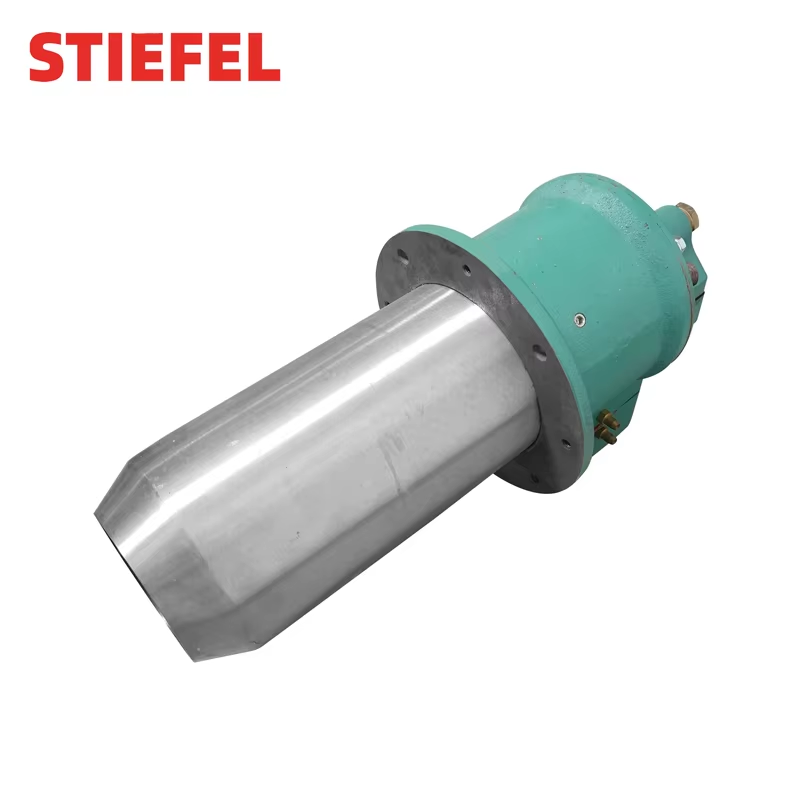
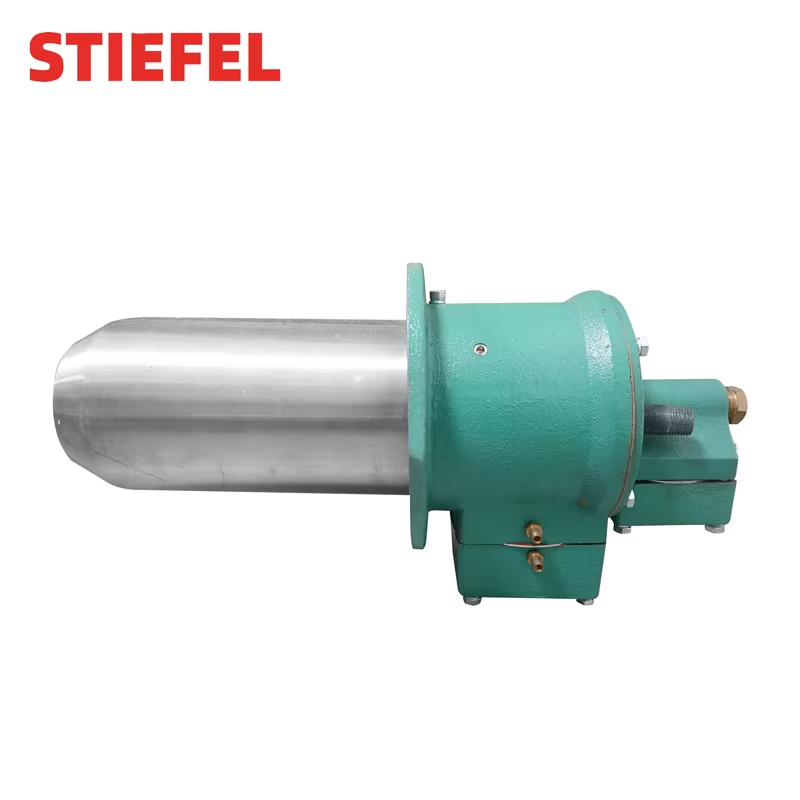
The Oil Fired Industrial Burner represents a critical technology for industries reliant on liquid fuels for process heat, steam generation, or power. Unlike gaseous fuels, oil requires precise preparation—atomization—before it can be efficiently burned. At STIEFEL, our engineering of these systems focuses on mastering this process to achieve reliable, clean, and efficient combustion that meets the rigorous demands of continuous industrial operation. The core challenge lies in transforming viscous liquid fuel into a finely dispersed spray of droplets with a high surface-area-to-volume ratio, allowing for rapid vaporization and mixing with combustion air.
The atomization process is the most critical determinant of an oil burner's performance. It is typically achieved using a pressure-jet nozzle, where oil is forced under high pressure through a small orifice, breaking it into a cone-shaped mist. The quality of this spray pattern, including droplet size and distribution, directly impacts combustion efficiency. Smaller, uniformly sized droplets vaporize and burn more completely, leading to higher efficiency and lower emissions. Our burners incorporate precisely machined nozzles and, for heavier fuels, integrated pre-heaters to reduce viscosity to the optimal level for atomization. The combustion air is then introduced through a carefully designed register, often with swirl vanes, to create turbulent mixing with the fuel spray. This ensures the flame is stable, anchored correctly, and burns at the designed temperature and shape within the combustion chamber.
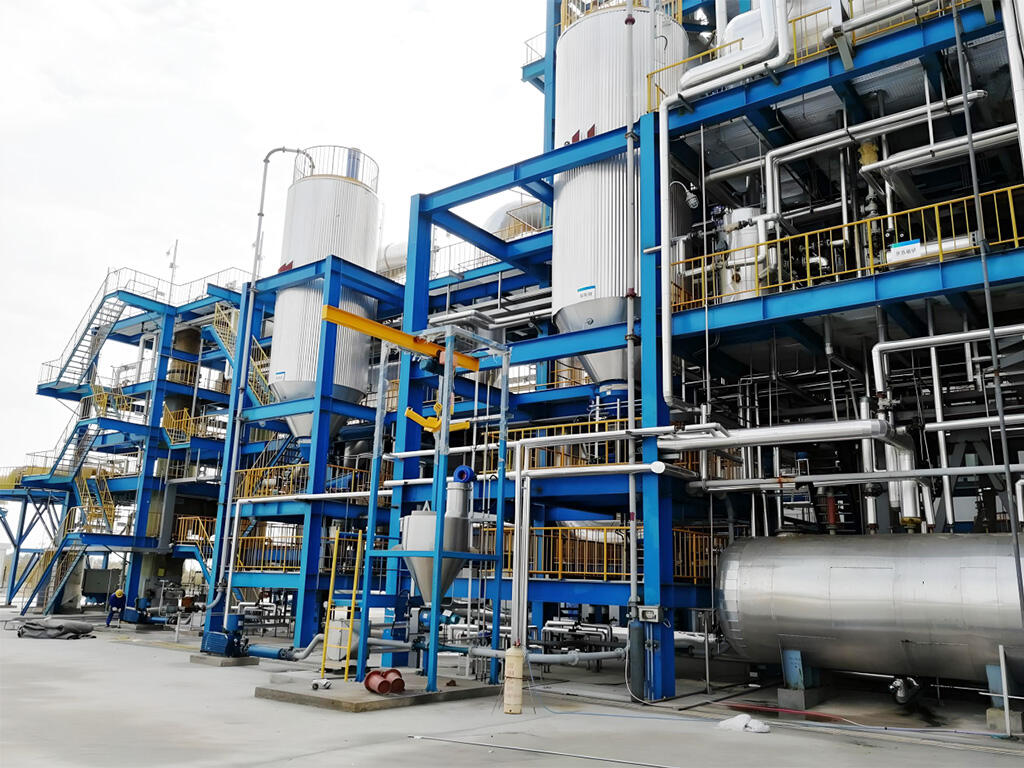
The application of Oil Fired Industrial Burners is vast and often tied to specific industrial needs or regional fuel economics. They are indispensable in marine applications, remote power generation, and industries like asphalt production or ceramic manufacturing that require high-temperature thermal processes. A common and critical application is in large industrial boilers for steam raising, where the burner must provide stable and controllable heat input despite fluctuations in steam demand. Another is in metal foundries for melting furnaces, where the burner must deliver intense, localized heat. Oil burners also serve as the perfect backup in dual-fuel systems, providing energy security when the primary gas supply is interrupted. In such systems, the ability to switch fuels without compromising flame stability or safety is paramount.
Operating an oil burner efficiently also involves managing emissions and maintenance. Complete combustion is key to minimizing smoke and unburned hydrocarbons. However, burning oil, especially heavier grades, can produce particulate matter and sulfur oxides (SOx) depending on the fuel's composition. While after-treatment may handle SOx, a well-designed burner minimizes particulates through efficient combustion. Regular maintenance of the nozzle, oil filter, and pump is also more crucial than with gas burners to prevent clogging and ensure consistent spray quality. STIEFEL’s design philosophy accounts for these operational realities. We build burners for serviceability and equip them with reliable ignition transformers and flame monitoring devices for safe operation. We invite potential clients to contact our technical team with details about their specific fuel oil type (e.g., light oil, heavy fuel oil #6), required heat output (kW), and the application (boiler, furnace, etc.). Our experts can then recommend the most suitable Oil Fired Industrial Burner configuration and provide a comprehensive quotation tailored to your project's operational and budgetary requirements.
 EN
EN