Efficient Premix Gas Burner Technology | STIEFEL Industrial Solutions

+86 13928884373

Video Contact Us

All Categories

Achieve Unmatched Efficiency with Advanced Premix Gas Burner Technology

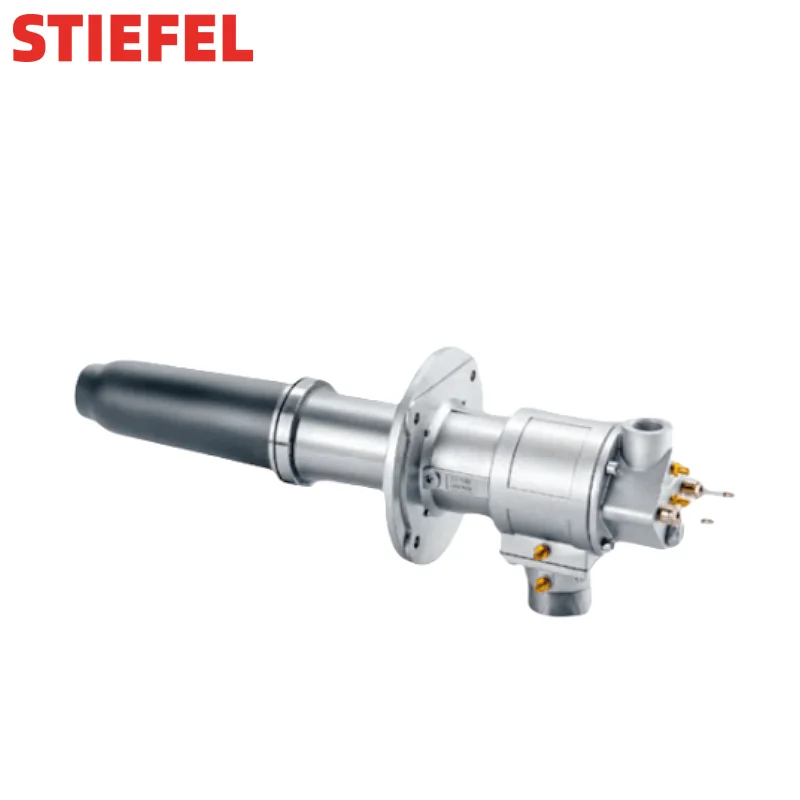
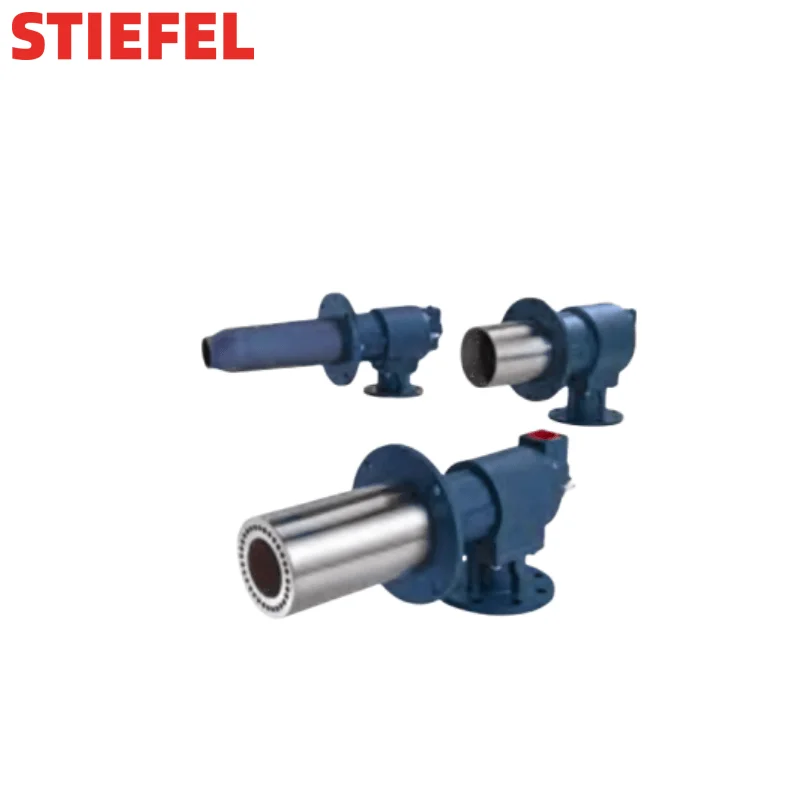
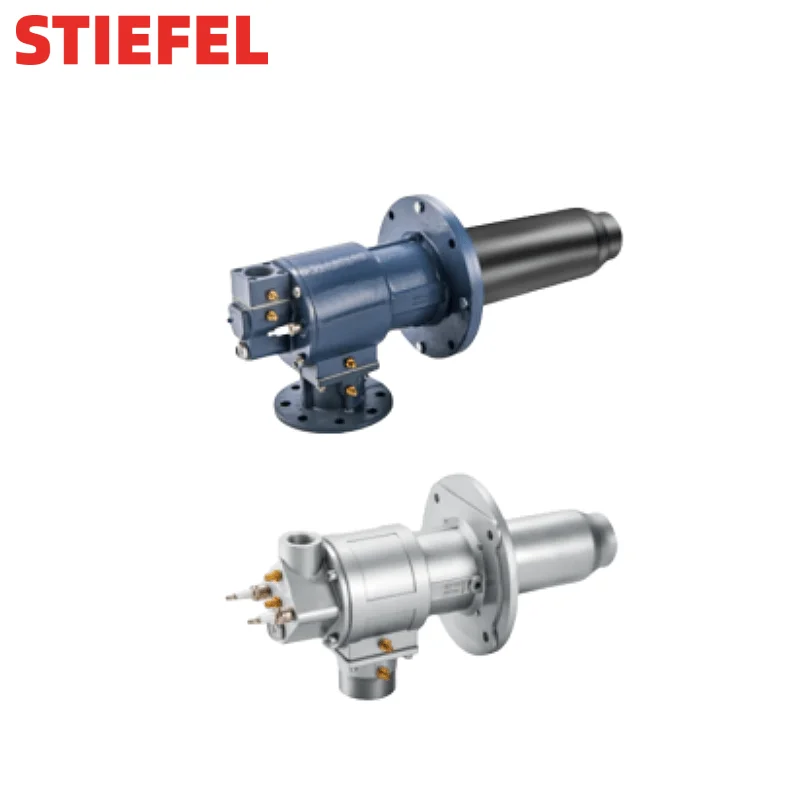
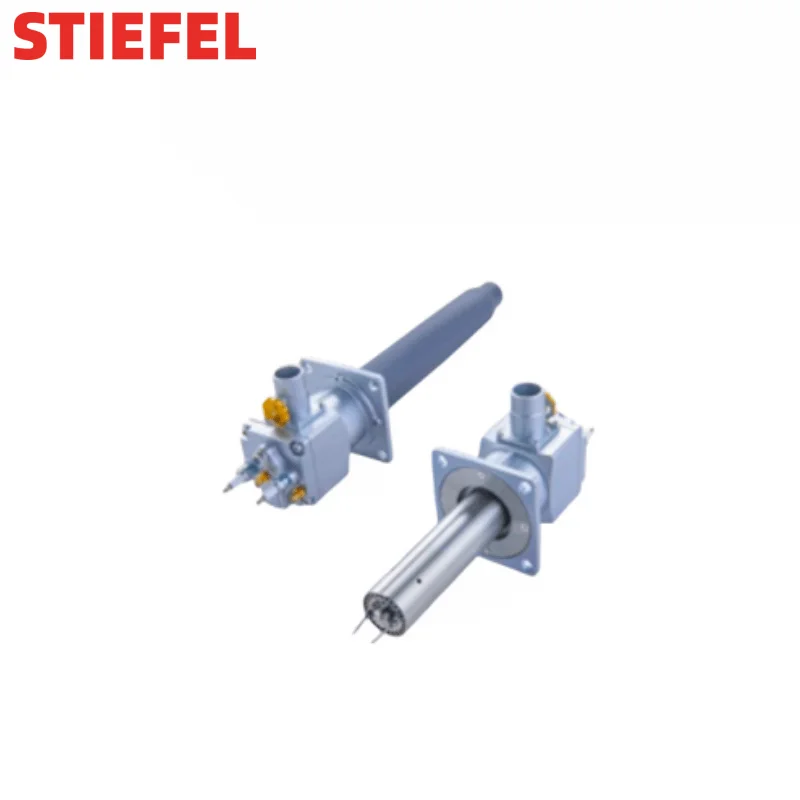
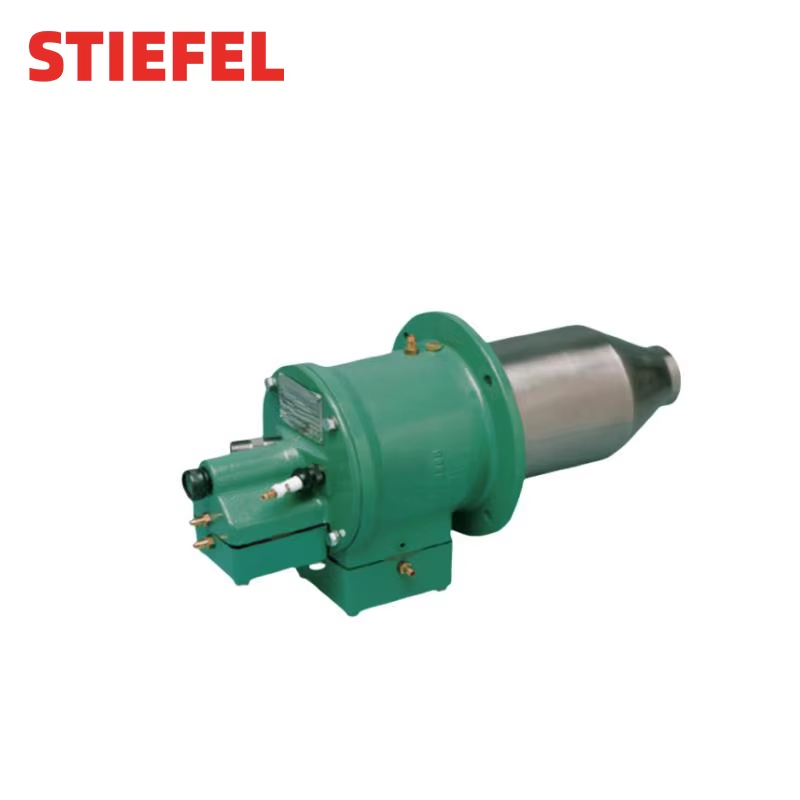
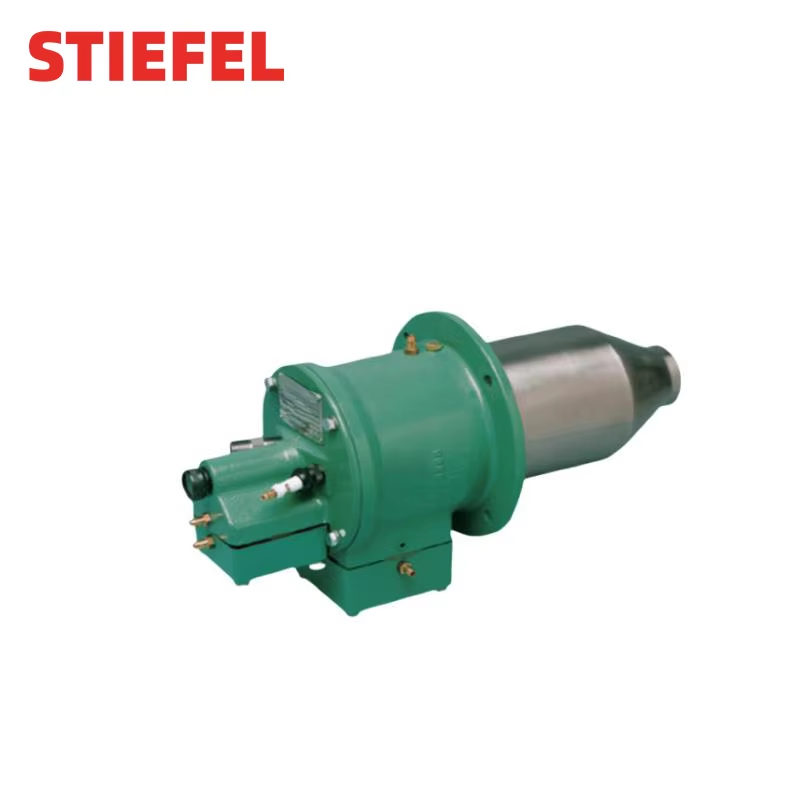
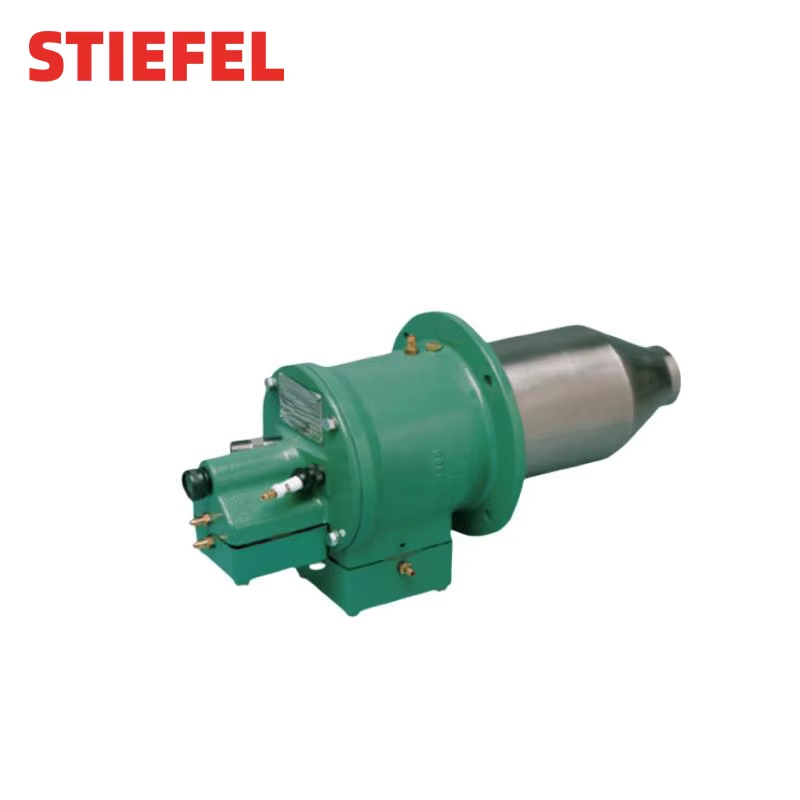
At STIEFEL, we are at the forefront of modern combustion technology with our advanced Premix Gas Burner solutions. Our premix burners revolutionize industrial heating by precisely mixing air and gas before ignition, creating a uniform, stable flame that delivers exceptional thermal performance and environmental compliance. This technology represents a significant leap forward for applications demanding precise temperature control and maximum fuel efficiency. The core principle of our Premix Gas Burner design ensures optimal air-to-fuel ratio control from the lowest to the highest firing rate. This results in complete combustion, which directly translates to superior energy efficiency—significantly reducing your operational fuel costs. Furthermore, by preventing the high-temperature peaks associated with traditional diffusion flames, our burners inherently produce extremely low levels of nitrogen oxides (NOx), making them an ideal choice for meeting strict environmental regulations.
Get A Quote

Advantages of the product

Superior Combustion Efficiency and Fuel Economy

Our Premix Gas Burner systems are engineered to deliver unparalleled fuel efficiency. By pre-mixing gas and air in a controlled, precise ratio, we achieve a near-perfect combustion process. This eliminates the fuel waste commonly seen in older diffusion-style burners where incomplete mixing can lead to unburned hydrocarbons and soot. The result is a drastic reduction in your natural gas consumption, leading to a rapid return on investment and a significant decrease in your carbon footprint for the same thermal output. This efficiency is consistent across the entire modulation range, ensuring savings even at partial loads.

Ultra-Low Emissions and Clean, Stable Operation

Environmental responsibility is a cornerstone of our design philosophy. The Premix Gas Burner technology fundamentally reduces the formation of thermal NOx by maintaining lower and more uniform flame temperatures. This makes our burners an outstanding solution for industries operating in regions with stringent air quality standards. Additionally, the complete combustion process ensures minimal carbon monoxide (CO) production and eliminates soot, which means cleaner heat exchangers, reduced maintenance requirements, and a more sustainable operation that supports global efforts to reduce industrial emissions.

Related products

The evolution of industrial combustion technology has been steadily driven by the dual imperatives of increasing energy efficiency and reducing environmental impact. Among the most significant advancements in this field is the development and widespread adoption of the Premix Gas Burner. Unlike traditional diffusion or atmospheric burners where fuel and air mix at the point of combustion, a Premix Gas Burner precisely combines the combustion air and natural gas in a controlled mixing chamber or venturi before the mixture reaches the burner head. This fundamental shift in the combustion process architecture yields profound benefits in control, efficiency, and emissions, making it the technology of choice for a wide array of sophisticated industrial and commercial heating applications.

The primary mechanical and thermodynamic advantage of a Premix Gas Burner lies in its ability to maintain a stoichiometrically optimal air-fuel ratio across its entire operating range. This is typically achieved through a precisely engineered gas injector and a mixing blower or fan that draws in the correct volume of air for a given gas flow rate, regulated by a sophisticated electronic controller. The result is a homogeneous, aerated mixture that, when ignited, produces a field of short, intense, and stable blue flames across a porous ceramic or metal mat burner surface. This stability is crucial. It eliminates the unpredictable, lifting, or lazy yellow flames of older systems, which are symptomatic of poor mixing and incomplete combustion. For industries like food processing—where a bakery's direct-fired oven must maintain an exact, uniform temperature profile to ensure consistent product quality and color—the stable flame of a Premix Gas Burner is indispensable. Any hot spot or fluctuation can ruin a batch, making the precision of premix technology not just an efficiency gain, but a critical factor for product integrity.

From an environmental and regulatory standpoint, the Premix Gas Burner offers a clear pathway to compliance. The most prominent pollutant from gas combustion is nitrogen oxides (NOx), formed primarily at high flame temperatures. The premix flame, being uniformly distributed and aerated, burns at a lower overall temperature than a traditional diffusion flame of equivalent power. This characteristic inherently curtails the formation of thermal NOx. Many modern Premix Gas Burner systems can achieve NOx emissions well below 30 mg/kWh without the need for secondary treatment like flue gas recirculation (FGR), which adds complexity and cost. This makes them particularly attractive for facilities in urban areas or regions with strict emissions caps, such as California's South Coast Air Quality Management District rules or European Union directives on industrial emissions. Installing a premix system can be a straightforward solution for retrofitting older equipment to meet new legal requirements while simultaneously improving performance.

The efficiency narrative of the Premix Gas Burner is equally compelling and directly impacts operational economics. Complete combustion means nearly all the chemical energy in the natural gas is converted to usable heat, with minimal losses from unburned fuel (manifested as carbon monoxide or soot) or excess air, which simply carries heat up the exhaust stack. Combustion efficiency rates exceeding 99.5% are common with well-designed premix systems. In a practical application like an industrial laundry, where large boilers generate steam for pressing and drying, upgrading to a high-efficiency Premix Gas Burner can reduce natural gas consumption by 10-20% annually. This translates into substantial cost savings and a short payback period. Furthermore, the clean combustion prevents soot buildup on heat exchanger surfaces, maintaining peak heat transfer efficiency over time and extending intervals between costly manual cleanings.

Finally, the operational flexibility and integration potential of Premix Gas Burner systems align perfectly with modern automation and energy management strategies. These burners are inherently suitable for full modulation, seamlessly adjusting their firing rate from as low as 20% to 100% of capacity in response to a process demand signal. This modulating capability, governed by a programmable logic controller (PLC), prevents the energy waste associated with the on/off cycling of fixed-rate burners. When integrated into a building management system (BMS) or a plant-wide process control network, a Premix Gas Burner becomes an intelligent component that optimizes energy use in real-time. For example, in a pharmaceutical plant with varying steam loads for sterilization and cleaning, a modulating premix burner ensures that the boiler produces only the exact amount of steam needed at any moment, eliminating the standby losses of an oversized system. Therefore, selecting a Premix Gas Burner is not merely choosing a heat source; it is investing in a smart, responsive, and sustainable thermal energy system that delivers precise control, regulatory compliance, and measurable financial returns.

Frequently Asked Questions

How does a Premix Gas Burner achieve such low NOx emissions compared to a standard burner?

A Premix Gas Burner achieves low NOx emissions through its fundamental combustion principle. By thoroughly mixing air and gas before ignition, it creates a uniform, aerated flame that burns at a lower and more consistent temperature than a traditional diffusion flame. Since thermal NOx formation increases exponentially with flame temperature, this lower combustion temperature inherently suppresses NOx production, often eliminating the need for additional exhaust treatment systems.
Yes, Premix Gas Burner systems are excellent candidates for retrofit projects aimed at improving efficiency and reducing emissions. Their compact design and integrated control systems often allow them to fit into existing combustion chambers or boiler fireboxes. A successful retrofit requires a professional assessment of the application's airflow, pressure conditions, and control integration to ensure the premix burner operates optimally within the specific constraints of the existing equipment.

Related Articles

Industrial Burners: Powering Your Industrial Needs​

22

Apr

Industrial Burners: Powering Your Industrial Needs​

As with every operation, some aspects of work in industry require great precision and accuracy. In manufacturing, food processing, and even in chemical industries, burners are crucial in satisfying energy needs. This article explores the significance...
View More
Oil Burners: Efficient Heating Solutions​

22

Apr

Oil Burners: Efficient Heating Solutions​

Businesses and houses nowadays have a requirement for some form of heating. Oil burners are one of the most trusted and used methods for heating during the colder months. This article further explains oil burners aspects, understanding their advantag...
View More
Industrial Burners: Tailored for Your Industry​

22

Apr

Industrial Burners: Tailored for Your Industry​

Industrial burners are essential to numerous sectors. Heaters are required in industries from manufacturing to energy production, and industrial burners supply the needed heat. The requirements of different industries differ when it comes to burners....
View More
Revolutionize Your Operations with Advanced Burners​

22

Apr

Revolutionize Your Operations with Advanced Burners​

In modern times, various business practices are emerging. The new focal point is efficiency. Firms constantly seek different approaches in the dual goals of improving productivity and lowering costs. The implementation of advanced burners that ...
View More

customer evaluation

James Bond

"Our coating line required precise and uniform heat for drying, which our old burner couldn't provide. We installed a STIEFEL linear Premix Gas Burner, and the improvement was immediate. The temperature uniformity across the belt is now exceptional, our product quality has stabilized, and our monthly gas bills have dropped noticeably. The low-emission operation was an added benefit for our sustainability reporting."

Gabriel

"Upgrading our process air heater was critical for both hygiene and efficiency. We chose a STIEFEL Premix Gas Burner for its clean combustion and precise control. It has performed flawlessly, providing the exact air temperature needed for our dehydration process without any risk of contamination from soot or incomplete combustion. The system is quiet, reliable, and has significantly reduced our maintenance downtime."

Get a Free Quote

Our representative will contact you soon.
Email
Mobile/Whatsapp
Name
Company Name
Message
0/1000
Deep Technical Expertise in Advanced Combustion

Deep Technical Expertise in Advanced Combustion

Our team possesses specialized knowledge in designing and applying Premix Gas Burner technology. We understand the critical nuances of mixing, aerodynamics, and control required to unlock its full potential for your specific industrial process.
Focus on Performance and Environmental Outcomes

Focus on Performance and Environmental Outcomes

We are committed to providing solutions that deliver measurable results: lower operating costs through high efficiency and compliance with environmental regulations through inherently clean combustion. Our premix technology is engineered to meet both goals simultaneously.
Partner for Your Heating System Modernization

Partner for Your Heating System Modernization

Whether for a new installation or a strategic retrofit, we partner with you to ensure the Premix Gas Burner solution is correctly specified and integrated, maximizing your return on investment and supporting your long-term operational and sustainability objectives.