EN
EN

Core Compatibility Factors: Mounting, Air-Fuel Dynamics, and Ignition Integration
Achieving seamless integration between boiler parts and burner systems demands meticulous attention to three core compatibility pillars. Mismatches here risk operational failures, efficiency losses exceeding 15%, and premature component degradation.
Mechanical Interface Standards: Flange Types, Bolt Patterns, and Depth Tolerances for Boiler Parts
Getting the mechanical connections right is essential to avoid dangerous misalignment issues down the line. When working on these systems, engineers need to check several key parameters including flange ratings according to ANSI standards like Class 150 or 300, measure bolt circle dimensions accurately, and ensure proper gasket compression depth. Small mistakes matter a lot here too small as half a millimeter off in refractory anchor placement can actually speed up crack formation in heat exchangers over time. While standardized mounting solutions do cut down on retrofitting mistakes by around forty percent, they still need careful cross checking with specific CAD drawings for each burner model before installation. This extra step might seem tedious but pays off in preventing costly failures later on.
Air-Fuel Ratio Alignment: Matching Burner Output Curves with Boiler Part Load Requirements
Getting good combustion right depends on matching how much the burners can turn down with what the boiler parts actually need in terms of heat. When there's too much air coming in during low operation periods, it just burns through extra fuel for no reason. But when oxygen levels drop too low during high demand times, soot builds up everywhere. These days most systems rely on lambda sensors along with adjustable valves to keep things balanced around plus or minus 3 percent. The shape of the burner flame matters too though. If it doesn't fit properly inside the furnace space, certain spots get way too hot. That kind of hot spot problem is one of the main reasons tubes break in boilers that aren't set up correctly from the start.
Ignition Timing and Flame Detection Compatibility Across Boiler Parts and Burner Control Systems
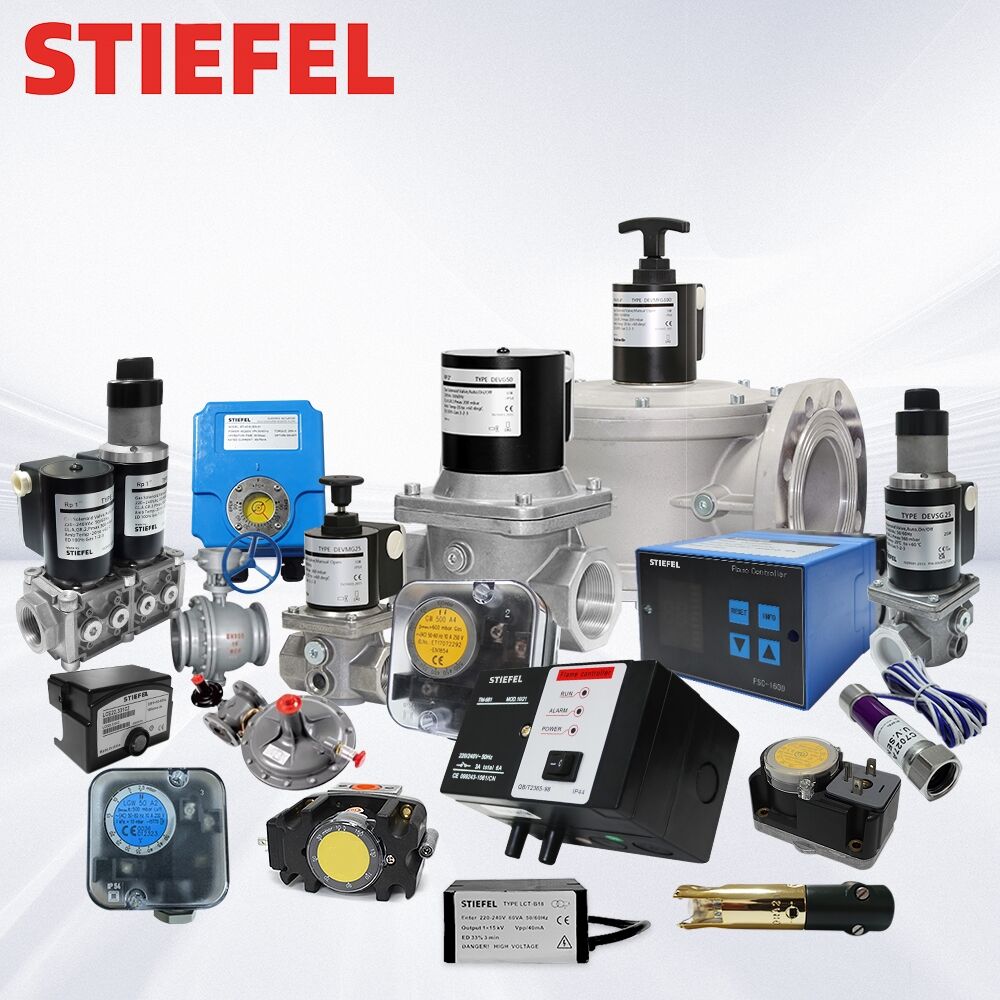
The synchronization of flame safeguard controllers (FGCs) with burner ignition sequences and safety thresholds for boiler components is absolutely critical. If there's even a five second delay during flame rectification, we're looking at serious problems like explosive puffbacks that can damage equipment and endanger personnel. When setting up these systems, technicians should always cross check where those UV scanners or other sighting devices are positioned against actual sight ports inside the combustion chamber. And don't forget about dual fuel setups either. Automatic transfer switches (ATS) need proper configuration so they automatically adjust both spark intensity levels and timing for fuel valves whenever the system switches from natural gas operation to oil burning mode. Getting this right prevents operational issues down the road.
Boiler Parts-Specific Integration: Furnace, Heat Exchanger, and Drum System Considerations
Furnace Geometry and Refractory Design Constraints for Safe Flame Impingement and Expansion
The shape and size of a furnace really matters for how well burners work together because it determines things like flame shape, whether combustion stays stable, and how evenly heat spreads out. Important measurements such as the chamber's aspect ratio and the angle at which burners are positioned need to avoid flames hitting boiler components directly since this wears down materials much faster than normal. For refractory linings inside these furnaces, they need certain properties regarding thermal conductivity somewhere around 0.8 to 1.2 watts per meter Kelvin, plus enough space built in for expansion when temperatures rise during operation cycles. When there's a mismatch between design elements, problems like refractory spalling or actual cracks forming in furnace walls become likely, particularly noticeable when trying to install modern high intensity burners onto older equipment. Checking clearance gaps between parts and making sure anchoring systems are properly set up becomes essential work to manage thermal expansion safely while still keeping combustion running efficiently.
Heat Exchanger Tube Pitch, Material Grade, and Thermal Stress Response to Burner Sizing and NOx Zones
Getting heat exchangers to work properly depends heavily on matching up the tube bundles with what the burners actually produce. When tubes are spaced too closely together (less than 1.5 times their own diameter), oil burners tend to build up soot over time. On the flip side, if there's too much space between tubes, the system just doesn't transfer heat as efficiently as it should. Choosing the right materials becomes really important because of those hot spots near NOx reduction areas. Temperatures can jump around by about 300 degrees Celsius across just a few inches of space. For systems that cycle through heating and cooling frequently, ASME SA-213 grades like T11 and T22 stand out since they resist deformation better under stress. Getting the burner size wrong is a big problem though. It leads to inconsistent heat distribution across the tubes, which often results in failure after only 12 to 18 months of operation. That's why many engineers now run CFD models before installing these systems to catch potential issues early on.
Fuel-Driven Boiler Parts Compatibility: Gas, Oil, and Dual-Fuel Burner Requirements
Gas Burners: Pressure Drop, Orifice Sizing, and Ventilation Needs for Boiler Parts Safety Margins
Getting gas burners to work properly depends heavily on managing pressure levels just right. When there's too much pressure drop, the combustion process gets starved for fuel. On the flip side, if the pressure drop isn't enough, we end up with dangerous overfiring situations. According to a recent study from the Ponemon Institute (Fuel System Reliability Report, 2023), when pressure variations go beyond 15%, heat exchangers start corroding at about 27% faster rates than normal. The size of the orifice matters a lot too. If it's sized correctly, the fuel and air mix properly. But get the diameter wrong and flames become unstable, plus there's a serious risk of carbon monoxide buildup. Ventilation needs are calculated using specific CFM formulas that match the burner's capacity. Without enough fresh air flowing through, unburned gases accumulate inside, which can push boiler components past their safe operating limits. That's why manufacturers always include detailed specs about minimum clearances and required combustion air amounts. These specifications aren't just suggestions they're critical safety measures designed to avoid major system failures.
Oil Burners: Atomization Pressure, Preheat Temperature, and Sludge Handling Impact on Boiler Parts Longevity
Getting oil burners to work properly depends on getting three key factors right. First, atomization pressure needs to stay somewhere around 100 to 150 psi so the fuel gets misted correctly. When pressure drops below this range, combustion becomes incomplete and leaves behind soot that builds up on heat transfer surfaces over time. For heavy oils, preheating should be kept between about 70 and 90 degrees Celsius to get the right viscosity. Going past 110 degrees starts breaking down the oil too quickly through thermal cracking. According to research from the Ponemon Institute's Fuel System Reliability Report published last year, sludge buildup actually cuts heat exchanger efficiency by roughly 12 to 18 percent each year, plus it makes corrosion problems worse downstream. Regular maintenance matters a lot here. Checking viscosity daily and cleaning tanks once a month helps keep boiler components intact. Handling sludge properly can stretch service intervals by about 30 percent and stop those expensive tube failures that nobody wants to deal with.