EN
EN

Understanding Core Boiler Components and Their Functions
Common boiler parts and their function: A breakdown of core components
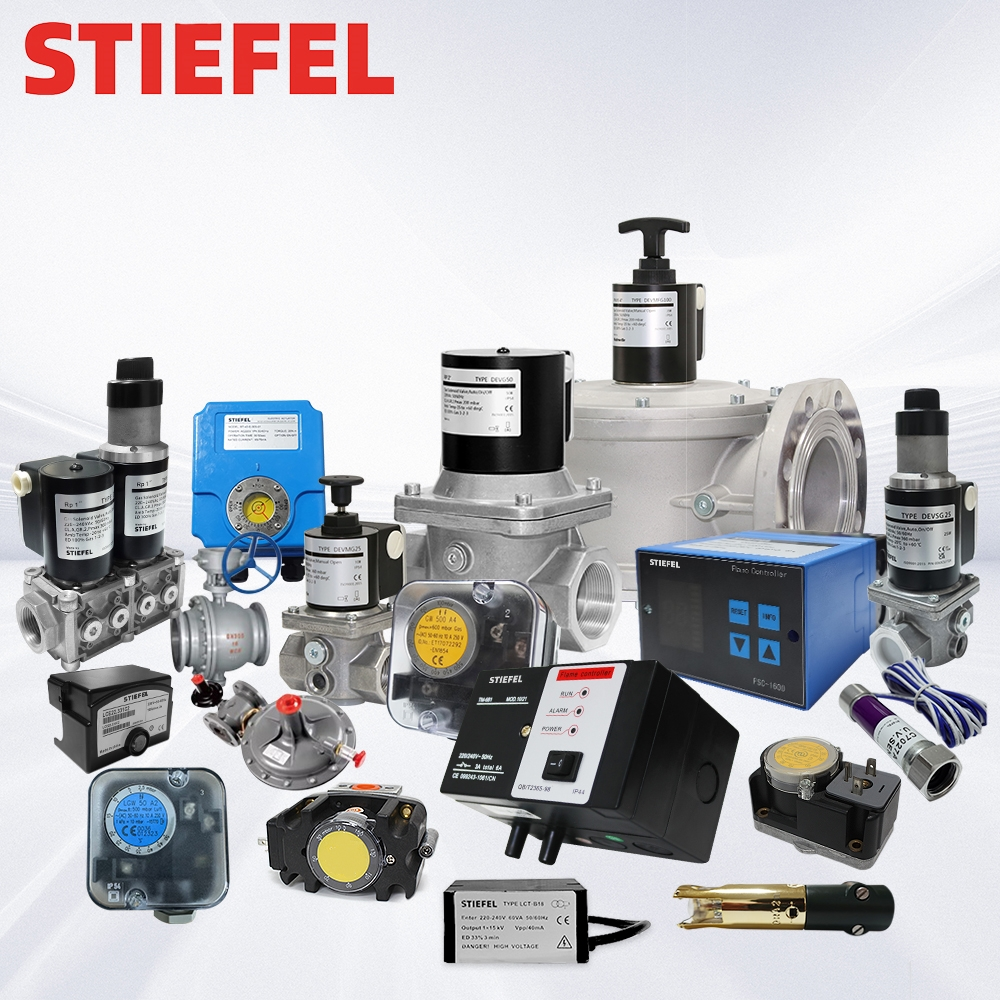
Modern boilers rely on interconnected systems to generate heat safely. Key components include:
- Burners that mix fuel and air for controlled combustion
- Heat exchangers transferring thermal energy to water without direct contact
- Pressure gauges monitoring internal forces to prevent overloads
- Safety relief valves automatically venting excess pressure
Understanding these core boiler components helps operators identify early wear signs. For example, mineral deposits on heat exchanger surfaces reduce efficiency by 12–18% annually in hard water regions.
How boiler maintenance ensures system longevity and safety
Systematic inspections prevent 73% of catastrophic boiler failures according to industrial safety data. Technicians verify burner alignment, test safety valve response thresholds, and measure heat transfer rates during routine checks. Proactive replacement of degraded gaskets and seals maintains pressure integrity, while cleaning combustion chambers optimizes fuel efficiency.
Components inspected during boiler service: What technicians check annually
Annual maintenance focuses on failure-prone elements:
- Safety relief valves (manual operation test)
- Low water cutoffs for proper dry-fire protection
- Burner nozzles and ignition systems
- Seals/gaskets at all access points
- Control system calibration
Technicians use ultrasonic thickness gauges to measure critical metal components, replacing any parts showing >10% wall thickness reduction. This preventative approach extends boiler lifespan by 40% compared to reactive strategies.
Critical Safety and Pressure Controls to Monitor and Replace
Pressure Gauges and Pressure Switches: Monitoring System Integrity
The pressure gauges and switches act like the nervous system for boiler operations, constantly monitoring what's happening inside those high pressure vessels to stop disasters before they happen. Gauges that aren't properly calibrated tend to drift off course by around 15% each year, which means operators get readings that just don't match reality anymore and safety measures start failing. Most newer installations now come with two separate gauges working together plus warning systems that kick in once pressure goes beyond normal ranges by about 10 to maybe even 15%. This redundancy gives plant managers peace of mind knowing there's always a backup watching over things.
Safety Relief Valves: Essential for Overpressure Protection
Valves serve as the final safeguard against dangerous pressure spikes, kicking in when system pressure goes over 15% beyond what's considered normal operation. Testing these safety devices once a year isn't just good practice it's essential. Recent studies from 2023 showed that nearly a quarter (23%) of all checked valves wouldn't actually open at their set pressure points because minerals had built up inside or the springs were simply worn out after years of service. Most maintenance pros suggest swapping out those rubber seals somewhere between three to five years, though this timeline really depends on how hard the water supply is in any given location. Hard water areas tend to need more frequent replacements since mineral deposits form much quicker there.
Low Water Cutoffs (LWCO and ALWCO): Safeguarding Against Dry Firing
Low water cutoff systems stop burners from turning on whenever water levels get too low, which helps avoid expensive damage to heat exchangers that can cost upwards of forty thousand dollars when they dry fire. Some newer automatic low water cutoff models come with extra features like automatic system shutdown capabilities and warning signals that let operators know something's wrong before it becomes a major problem. Maintenance crews should remember to clean out sediment buildup in those probe chambers at least once every year. A recent study back in 2022 found that nearly two thirds of all LWCO failures were actually caused by simple sludge accumulation over time. Regular cleaning really does make a difference in keeping these safety systems working properly.
Digital vs. Mechanical LWCOs: Evaluating Reliability in Modern Systems
While mechanical float-type LWCOs dominate 70% of installations, digital variants using conductivity sensors show 42% faster response times in low-water scenarios. However, their sensitivity to water impurities requires quarterly calibration–a tradeoff facilities managers weigh against reduced fire risks in high-demand environments.
Combustion and Fuel System Parts Requiring Routine Maintenance
Flame detectors (flame scanner, flame rod): Ensuring ignition reliability
Flame detection systems are critical for verifying burner ignition in boilers. Modern flame scanners use ultraviolet or infrared sensors to confirm combustion continuity, while flame rods employ conductivity principles. A 2023 analysis of industrial boiler failures found 43% of combustion-related shutdowns originated from faulty detection components. Proper maintenance includes:
- Cleaning optical sensors monthly to prevent soot buildup
- Testing flame rod conductivity quarterly
- Replacing aged detectors every 3–5 years per manufacturer guidelines
Fuel shutoff valves (main, secondary, pilot): Preventing fuel leaks
Triple-layered shutoff systems (main, secondary, pilot valves) create fail-safe barriers against gas leaks. The Johnston Burner maintenance checklist recommends quarterly lubrication of valve stems and annual seat replacement to prevent dangerous fuel seepage. Technicians should verify complete closure during maintenance by:
- Conducting bubble tests on liquid fuel systems
- Using combustible gas detectors on gaseous systems
- Checking valve response times against OEM specifications
Combustion air flow switches: Maintaining proper air-to-fuel ratio
These safety devices confirm adequate airflow before permitting ignition, preventing incomplete combustion and CO production. Recent UL studies show properly maintained air flow switches reduce combustion chamber corrosion by 61%. Maintenance protocols include:
- Monthly diaphragm inspections
- Biannual calibration against manometer readings
- Immediate replacement of switches failing two consecutive tests
Case study: How faulty flame detection caused a shutdown in an industrial plant
A Midwest packaging plant experienced 72 hours of downtime when compromised flame scanners failed to detect burner misfires. The undetected flame-out allowed raw gas to accumulate, triggering emergency shutoffs. Post-incident analysis revealed:
- Contaminated optical lenses from improper cleaning practices
- 14-month delayed replacement of obsolete scanners
- Lack of backup detection systems
This event underscores why 68% of boiler operators now implement redundant flame safeguards and biweekly inspection routines.
High-Wear Water and Mechanical Components Due for Frequent Replacement
Boiler Feedwater Controls (Level Sensors, Loop Controllers): Precision in Water Supply
Today's boiler systems depend heavily on level sensors paired with loop controllers to keep feedwater levels accurate within about 1/8 inch. This tight control matters a lot because getting it wrong can lead to either dry firing that damages equipment or dangerous flooding situations. According to figures released by the Association of Energy Engineers back in 2023, problems with these sensor/controller setups account for roughly one out of every four instances where boilers go down unexpectedly. For maintenance crews working in areas with hard water, checking those sensors becomes especially important every three months or so. They need to look at scaling buildup on the probes and make sure calibrations haven't drifted off track over time.
Sight Glass and Packing: Visual Monitoring and Seal Integrity
Operators use borosilicate sight glasses to monitor water levels in real time, with high-pressure systems requiring 3/8-inch thickness minimum. Packing gland replacements occur every 2–3 years on average, though steam temperatures above 350°F accelerate deterioration by 40% (ASME B31.1 standards).
Gaskets (Manway, Handhole, Fireside, Water Side): Preventing Leaks During Thermal Cycling
| Gasket Type | Replacement Cycle | Failure Impact |
|---|---|---|
| Manway | Annual | High-pressure steam leaks (up to 150 psi risk) |
| Fireside Graphite | 18 months | Combustion gas bypass (– efficiency by 15–22%) |
| Water-Side EPDM | Biannual | Water leaks causing insulation damage |
Pumps, Valves, and Steam Traps: Managing Flow, Pressure, and Condensate Efficiently
Centrifugal feedwater pumps typically require bearing replacements every 8,000–10,000 runtime hours, while steam traps fail most frequently in systems with >85% condensate return rates. A 2022 maintenance efficiency study found that proactive replacement of worn mechanical components reduces unscheduled outages by 67% in commercial steam plants.
Creating an Effective Annual Maintenance Plan and Spare Parts Inventory
Keeping boilers running smoothly requires both regular checkups and quick access to those hard-to-find replacement parts when something breaks down. Most facilities start with an annual maintenance plan focusing on key areas such as sealing gaskets around connections, checking water level indicators, and making sure safety valves work properly under stress. The techs need to double check if the system correctly detects flames during startup, run tests on pressure regulators, and look inside combustion chambers where buildup can sneak in unnoticed over time. According to recent industry data from last year's maintenance survey, following this kind of routine actually cuts down unexpected repair bills by roughly 23% across manufacturing plants nationwide.
Your essential spare parts inventory should include:
- Replacement gaskets (manway, handhole, and fireside)
- LWCO sensors and fuel shutoff valves
- 2–3 sets of pump seals and steam trap kits
A recent analysis of inventory practices reveals facilities maintaining 8–12 critical spares reduce emergency procurement costs by 37% compared to reactive operations. This aligns with findings that 68% of unplanned shutdowns stem from missing components–often simple $15 gaskets causing $3,500/hour production losses.
Effective planning requires digital tracking of part lifespans and vendor lead times. Plants using cloud-based inventory systems report 29% fewer stockouts while keeping carrying costs under 12% of annual maintenance budgets. Schedule quarterly reviews to adjust stock levels based on boiler runtime hours and water treatment logs.
FAQs
What are the core components of a boiler?
The core components of a boiler include burners, heat exchangers, pressure gauges, and safety relief valves.
How often should boiler components be inspected?
Boiler components should ideally be inspected annually, focusing on key failure-prone elements like safety relief valves and burner nozzles.
What is the significance of low water cutoffs (LWCO) in boiler systems?
Low water cutoffs prevent burners from turning on when water levels are too low, safeguarding against expensive damage from dry firing.
How do flame detectors function within a boiler system?
Flame detectors verify burner ignition using ultraviolet or infrared sensors and are essential in preventing combustion-related shutdowns.
Why is a spare parts inventory essential for boiler maintenance?
An effective spare parts inventory ensures quick access to replacement parts, reducing downtime and emergency procurement costs.
Table of Contents
- Understanding Core Boiler Components and Their Functions
- Critical Safety and Pressure Controls to Monitor and Replace
- Combustion and Fuel System Parts Requiring Routine Maintenance
-
High-Wear Water and Mechanical Components Due for Frequent Replacement
- Boiler Feedwater Controls (Level Sensors, Loop Controllers): Precision in Water Supply
- Sight Glass and Packing: Visual Monitoring and Seal Integrity
- Gaskets (Manway, Handhole, Fireside, Water Side): Preventing Leaks During Thermal Cycling
- Pumps, Valves, and Steam Traps: Managing Flow, Pressure, and Condensate Efficiently
- Creating an Effective Annual Maintenance Plan and Spare Parts Inventory
- FAQs