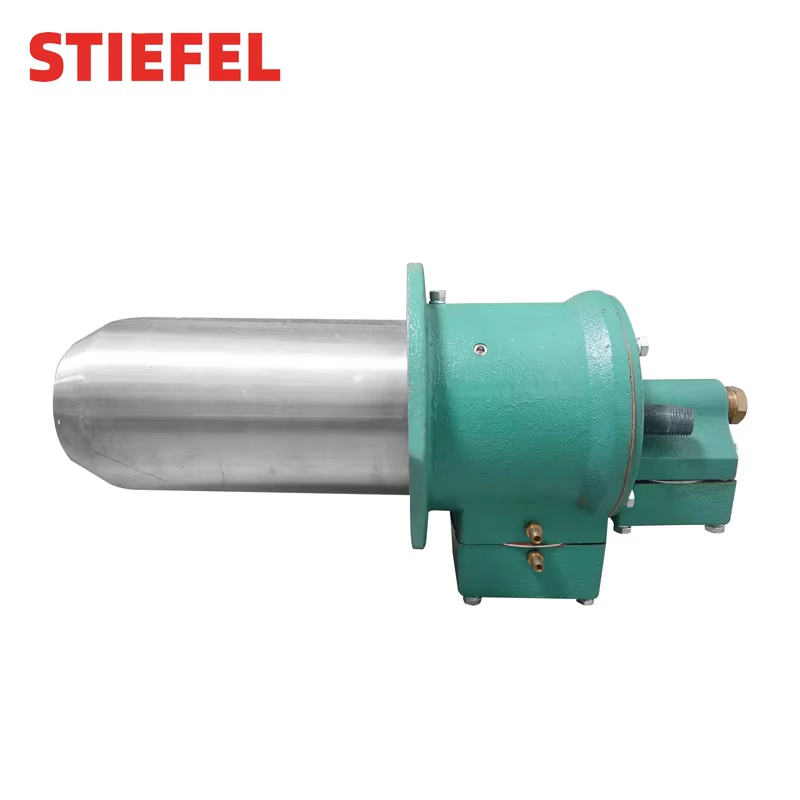
Stiefel's High-Efficiency Ceramic Kiln Burners | Low NOx Emissions

+86 13928884373

Video Contact Us

All Categories

Stiefel - Monitoring of Kiln Processes Ceramic Temperature Sensors Highly Accurate For Whereas Monitoring Is Essential

These self-diagnoses claim to improve furnace temperature instrumentation by proportional ratio with increasing range from of sixteen to thirty decade celcius. The sensors are based on group K sheathed thermocouples extruded by dual action cross-head and plug-in flow regulators of subzones controllers holding you offer req-writing cap for accuration throughout monitoring dimensions
Get A Quote

Stiefel’s Solutions for Ceramic Kilns: Benefits

Achieving Environmental Goals with Low-NOx Emission Burners

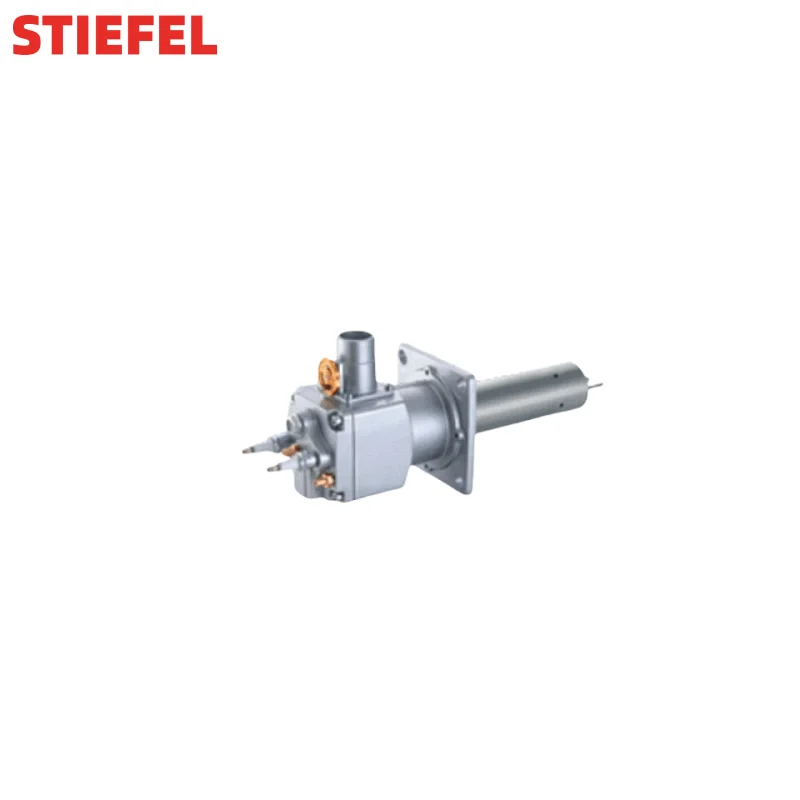
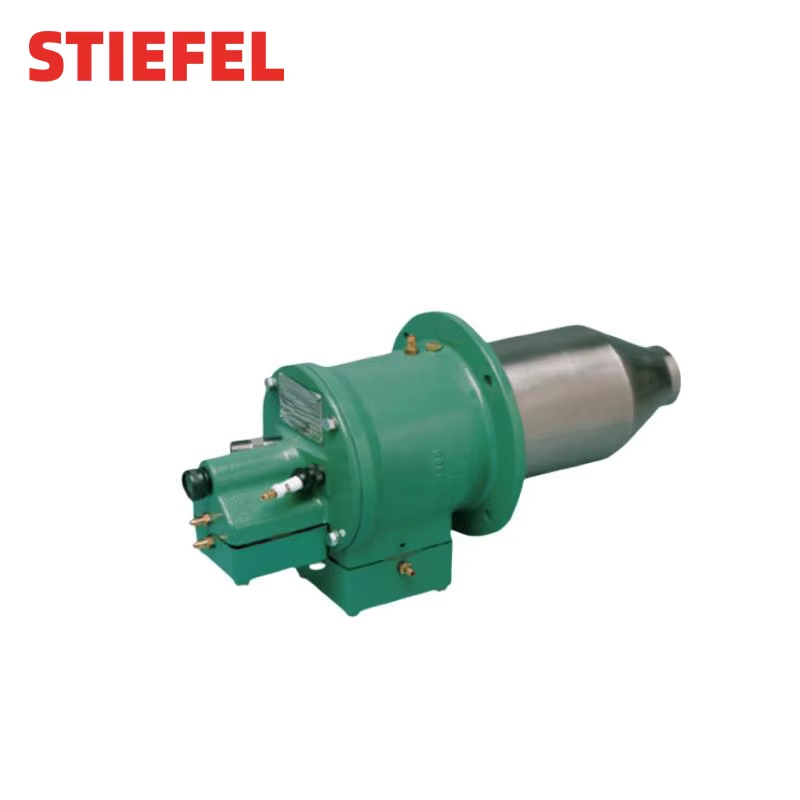
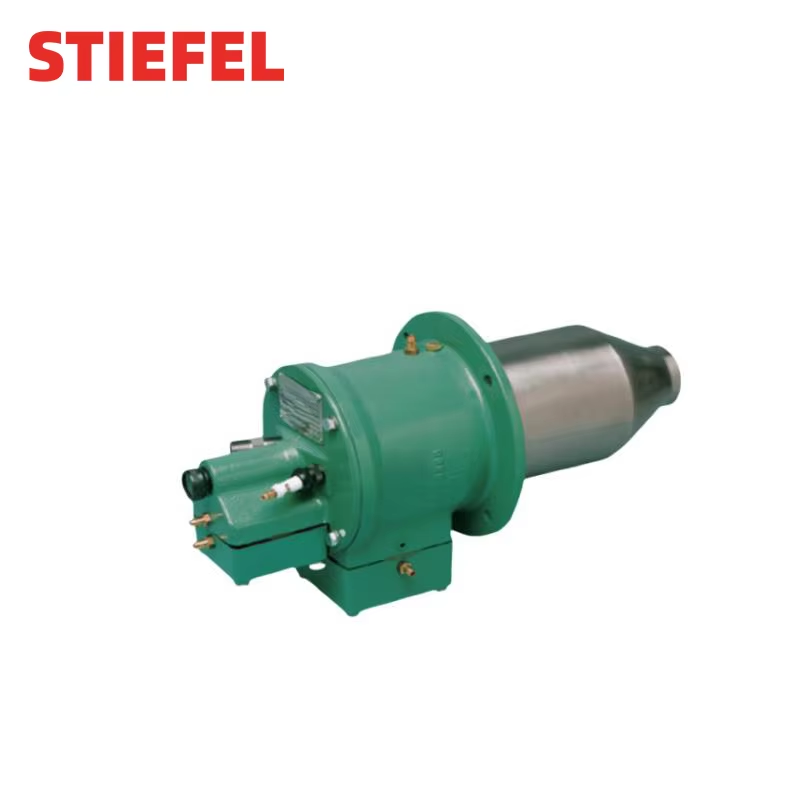
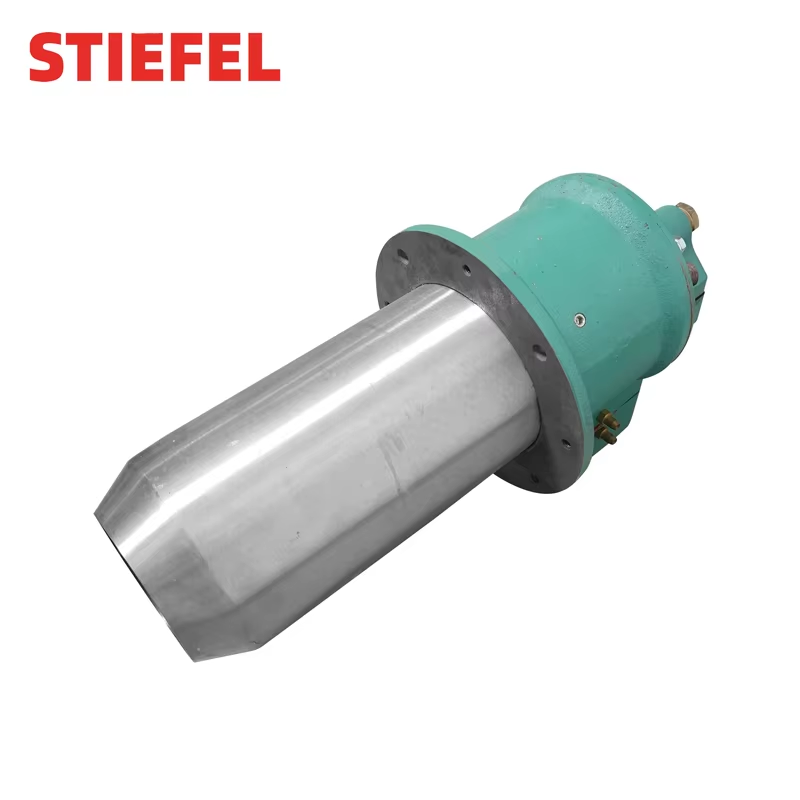
With Stiefel’s burners specially designed for ceramic kilns, sustainability is prioritized with a low NOx emission. The NOx output is reduced to meeting strict standards set by the EU’s EN 303-5 and internat. For Spain, there has notable emission drop for potter studios from 80mg/Nm cubed to an astonishing 22 mg/Nm cubed without losing 95% thermic efficiency. The use of biodiesel or blends of hydrogen fuel further enables targeting carbon neutral production of cermaic bone china.

Related products

Stiefel, founded in 2013 and based in Guangzhou, China, is a leading provider of high-quality ceramic kiln temperature sensors, precision devices that monitor and transmit temperature data in ceramic kilns, ensuring accurate control of firing processes critical for producing high-quality ceramics, including tiles, pottery, and technical ceramics. Ceramic kiln temperature sensors use technologies such as thermocouples (Type K, S, or B) and resistance temperature detectors (RTDs) to measure extreme temperatures (up to 1,800°C) in kiln chambers, providing real-time data to kiln controllers that adjust heating elements or burners to maintain desired temperature profiles. Stiefel's ceramic kiln temperature sensors are engineered with durable materials, such as platinum-rhodium alloys for thermocouple elements and alumina or silicon carbide for protective sheaths, ensuring they withstand extreme thermal cycling, corrosion from combustion byproducts, and mechanical stress, maintaining accuracy in harsh kiln environments. The ceramic kiln temperature sensor features a robust design with proper insulation and mounting hardware that minimizes heat loss and ensures accurate temperature measurement at the desired location in the kiln, preventing errors that can cause ceramic defects like warping or improper glaze formation. What sets these ceramic kiln temperature sensors apart is their high accuracy (±1°C) and fast response times, enabling precise control over critical firing stages such as bisque firing, glaze maturation, and sintering, where even minor temperature variations can compromise product quality. Ceramic kiln temperature sensors from Stiefel are available in various configurations, including immersion probes, surface-mount sensors, and multi-point arrays, allowing installation in different kiln zones to monitor temperature uniformity across the chamber, which is essential for large industrial kilns. Compatible with kiln control systems and data logging software, these ceramic kiln temperature sensors enable operators to record temperature profiles, analyze trends, and optimize firing processes, reducing scrap rates and improving production consistency. Rigorously tested for accuracy at high temperatures, thermal shock resistance, and long-term stability, these ceramic kiln temperature sensors meet international standards such as IEC and ASTM, ensuring reliability and compliance for ceramic manufacturing. Backed by Stiefel's expertise in research and development, the ceramic kiln temperature sensor incorporates innovations such as improved sheath materials and signal amplification technologies that enhance durability and measurement precision, even in dusty or high-vibration kiln environments. With Stiefel's comprehensive service network, customers receive expert support for selecting, installing, and calibrating ceramic kiln temperature sensors, including guidance on sensor placement and calibration schedules to maintain accuracy over time. For ceramic manufacturers seeking to enhance product quality and process control, Stiefel's ceramic kiln temperature sensors are essential components that deliver precision, reliability, and performance, supporting efficient and consistent production.
Frequently Asked Questions

Is it true that Stiefel’s burners can sustain the heat necessary for porcelain firing?

Stiefel does meet the standard burners requirement of sustaining temperatures of 1,600°C due to firing stoneware and porcelain burners setting. Water cooled nozzles and Inconel combustion chambers sustain the vents under extreme pressure, high level control systems give stern ramping onto heating, and tempered system birth advancement. Achieving porcelain consistency at the user achieved uniform kiln improvement furnace cracks 30%.
The assortment of his french pottery workshop’s gas brought savings of €4800 after using the heat recovery system, while cut demand of fuels in 20-25 percent came from our regenerative heat exchangers. Blower equipped variable speed drives (VSD) supply energy in low period cooled measures thus further increasing efficiency. Strap on high efficient burners (thermal 95%) and ash.
Absolutely, our burners are designed to be flexible with fuels such as natural gas, LPG, biogas, and even hydrogen up to a 20% blend. A Swedish ceramic studio firing kilns with biogas produced from food waste reduced carbon emissions by 40% while still maintaining firing quality. The adaptive control systems self-adjust for different fuel compositions to maintain combustion and process stability.
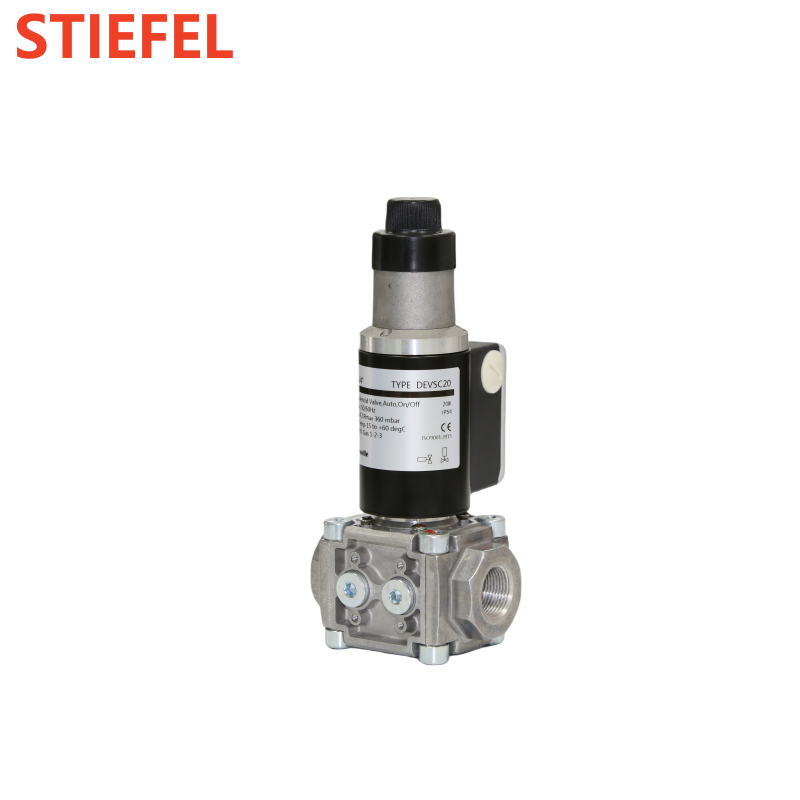
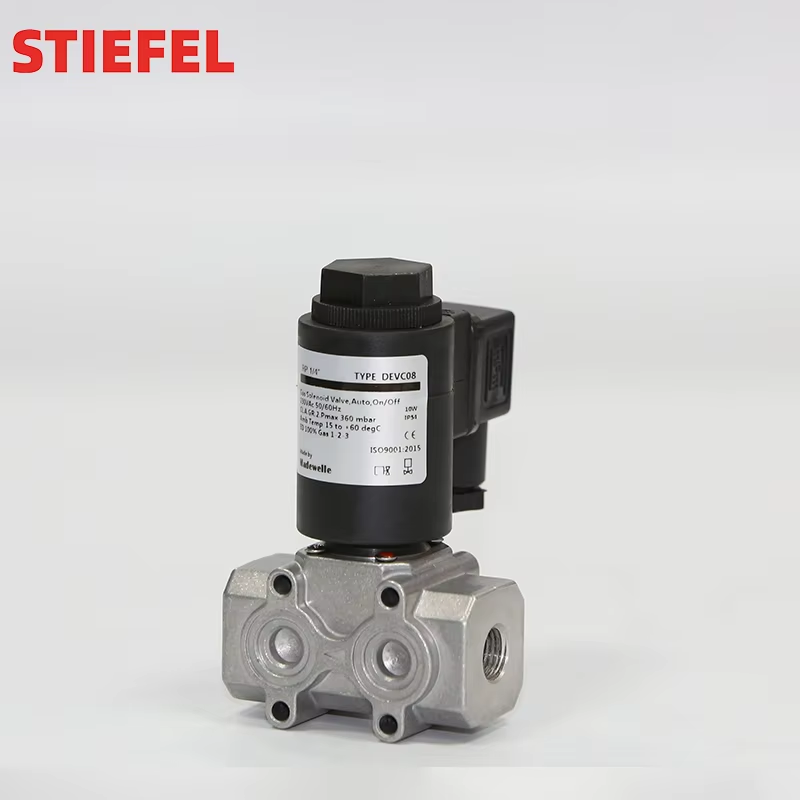
We offer OEM level parts, including ignition electrodes and solenoid valves, with up to 98% compatibility to many brand burners. Our dedicated service engineers offer annual maintenance contracts that consist of nozzle cleaning, system control check calibration, and heat exchanger inspections. A UK ceramic factory reduced unplanned downtime by 60% after adopting our predictive maintenance alerts which use IoT sensors to monitor component wear.

Related Articles

Industrial Burners: Tailored for Your Industry​

22

Apr

Industrial Burners: Tailored for Your Industry​

View More
Our Solenoid Valves: Your Ideal Choice

22

Apr

Our Solenoid Valves: Your Ideal Choice

View More
Revolutionize Your Operations with Advanced Burners​

22

Apr

Revolutionize Your Operations with Advanced Burners​

View More
Gas Solenoid Valves: Precision and Reliability Guaranteed​

22

Apr

Gas Solenoid Valves: Precision and Reliability Guaranteed​

View More

Customer Reviews

Li Wei
Resistant to Extremely Punishing Kiln Scenarios

The kilns in our stoneware factory run non-stop at 1300°C which makes the need for extreme high durability a must. Unlike traditional nozzles that we used which had to be replaced every 6 months, Stiefels tungsten carbide nozzles have stood the test of time with over 2 years of use without needing replacement. The eruption proof ignition systems also make us feel relaxed within such risky surrounding.

Get a Free Quote

Our representative will contact you soon.
Email
Mobile/Whatsapp
Name
Company Name
Message
0/1000
Advanced Heat Recovery Technology

Advanced Heat Recovery Technology

Stiefel regenerative systems capture and utilize preheated air or water, lowering the expenditure on energy. A Dutch ceramic tile plant was able to recoup their investment on the heat exchanger within an astonishing 10 months, exemplifying the value creation of our energy saving products.
IoT Enabled Process Optimization

IoT Enabled Process Optimization

Kiln performance is monitored in real time using burner IoT connectivity. This data is applied for performance improvement by a German pottery studio that reduced firing cycle times by 18%.
Compliance and Sustainability across the Globe

Compliance and Sustainability across the Globe

Stiefel systems are globally trusted and used due to their CE, UL and ATEX certifications. Their ability to operate with renewable fuels while maintaining ultra-low emissions makes Stiefel the preferred supplier for manufacturers in the EU’s green deal and US EPA compliant facilities.